A community Blog
It might not surprise those of you who follow my work regularly that I don’t get out into the physical world as much as I’d like. Since the pandemic in 2020, the rising cost of living and the complexities of coordinating care have made “getting out” a major operation.While 95% of my advocacy work happens virtually—which has certainly made things more accessible—I have to be honest: I miss the personal touch. There is no digital substitute for a firm handshake with a colleague, a hug from a friend, or seeing a meaningful smile in person rather than through a Zoom tile.
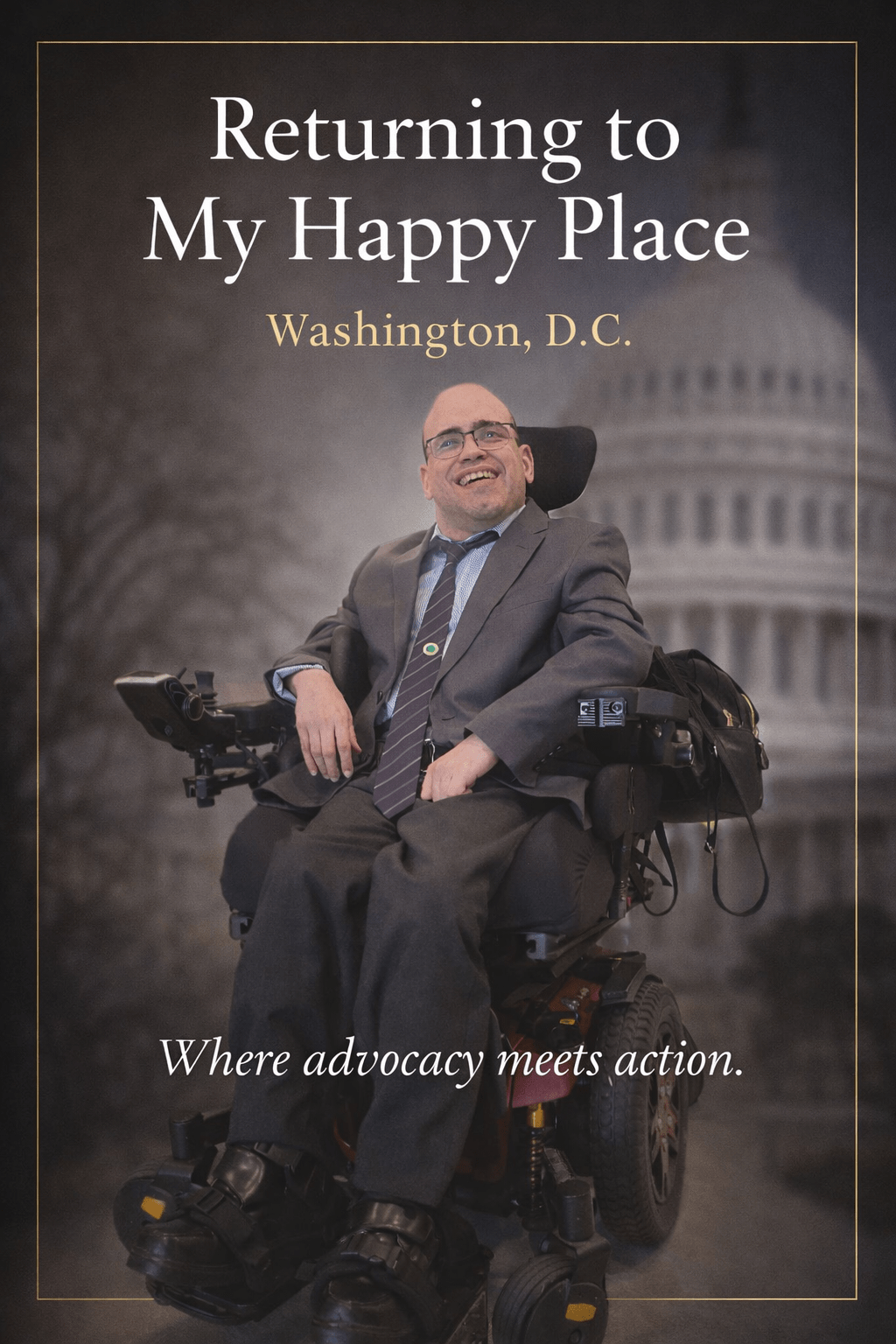
That is why I am so energized to share that at the end of March, I am heading back to my “Happy Place”: Washington, D.C.To some, D.C. is just a place where politicians work. But as a child, I never wanted to be a baseball player or an astronaut. I wanted to be in Washington. I wanted to be where the laws are made, because I knew that was where someone like me could make the most difference.
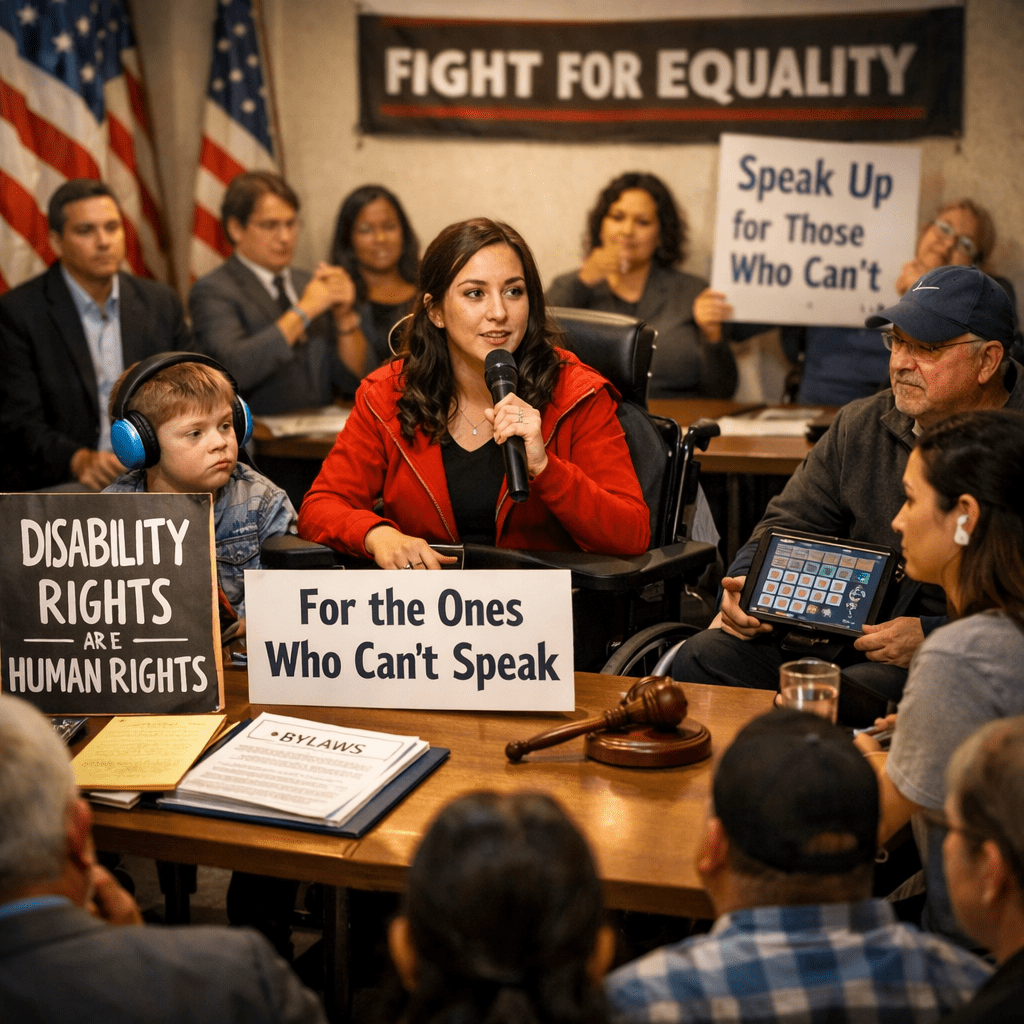
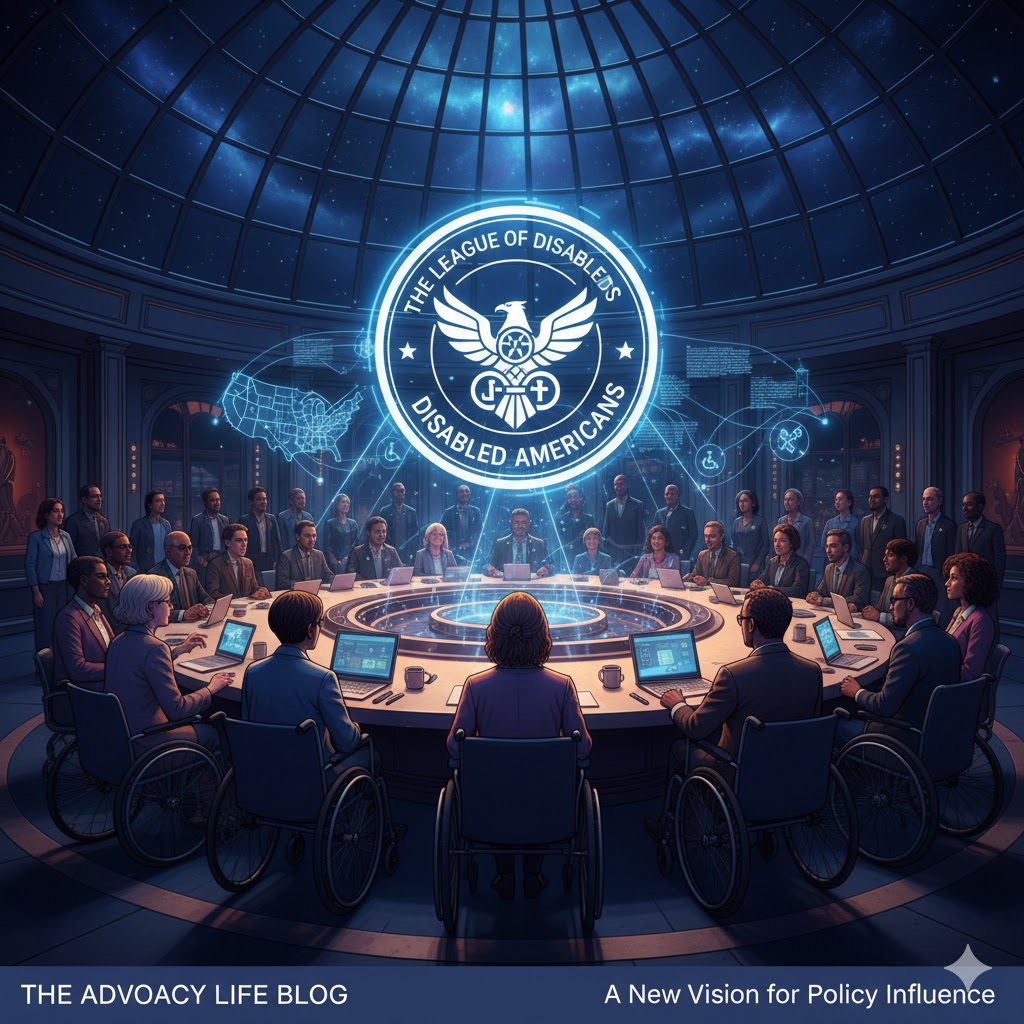
Rolling—my way through Capitol Hill is my dream job. Representing the state of New Jersey and the individuals with disabilities in our community is a privilege I do not take lightly. It humbles me every single time.Before I can get on the road, the real work happens here at home. I am currently spending my afternoons contacting legislative offices to schedule visits on behalf of the New Jersey Council on Developmental Disabilities (NJCDD).These meetings are where the “Exposure Method” meets the “Legislative Process.We
We aren’t just going there to share stories; we are going there to ensure that when policy is written, our lives are not treated as an afterthought or a “survival math” equation.Some might say these seminars are just formalities and that nothing really gets done. I disagree. In advocacy, small things add up to big things. Every phone call to a staffer, every scheduled visit, and every face-to-face conversation on the Hill is a brick in the bridge between existence and a full life.
At 39, I’ve learned that the natural rhythm of life can sometimes feel like things are being taken away. But my message to you today is this: Don’t ever stop trying. Don’t ever stop reaching. Don’t ever stop getting excited.What might feel like “nothing” to someone else is “everything” to us. I can’t wait to head to the nation’s capital to represent you, and I look forward to telling you all about the adventures when I return. Keep on rolling. Keep on living.

The Podcast
Published Books
Subscribe to Letter from Limbo
Read more of this content when you subscribe today.
Make a one-time donation
Make a monthly donation
Make a yearly donation
Choose an amount
Or enter a custom amount
Your contribution is appreciated.
Your contribution is appreciated.
Your contribution is appreciated.
DonateDonate monthlyDonate yearly
 The Advocacy Life Podcast & Blog