
Subscribe to continue reading
Become a paid subscriber to get access to the rest of this post and other exclusive content.
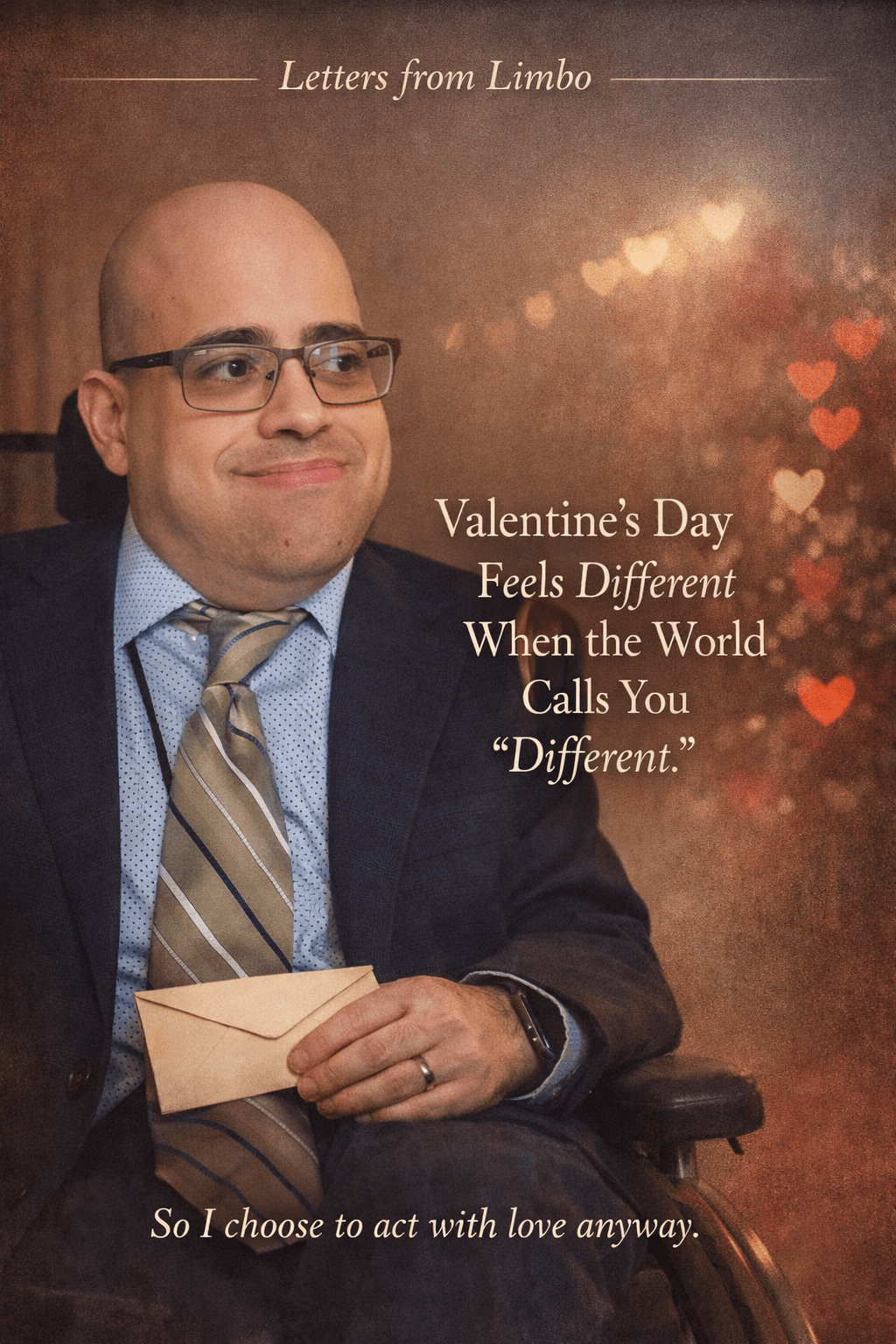
Become a paid subscriber to get access to the rest of this post and other exclusive content.
Become a paid subscriber to get access to the rest of this post and other exclusive content.
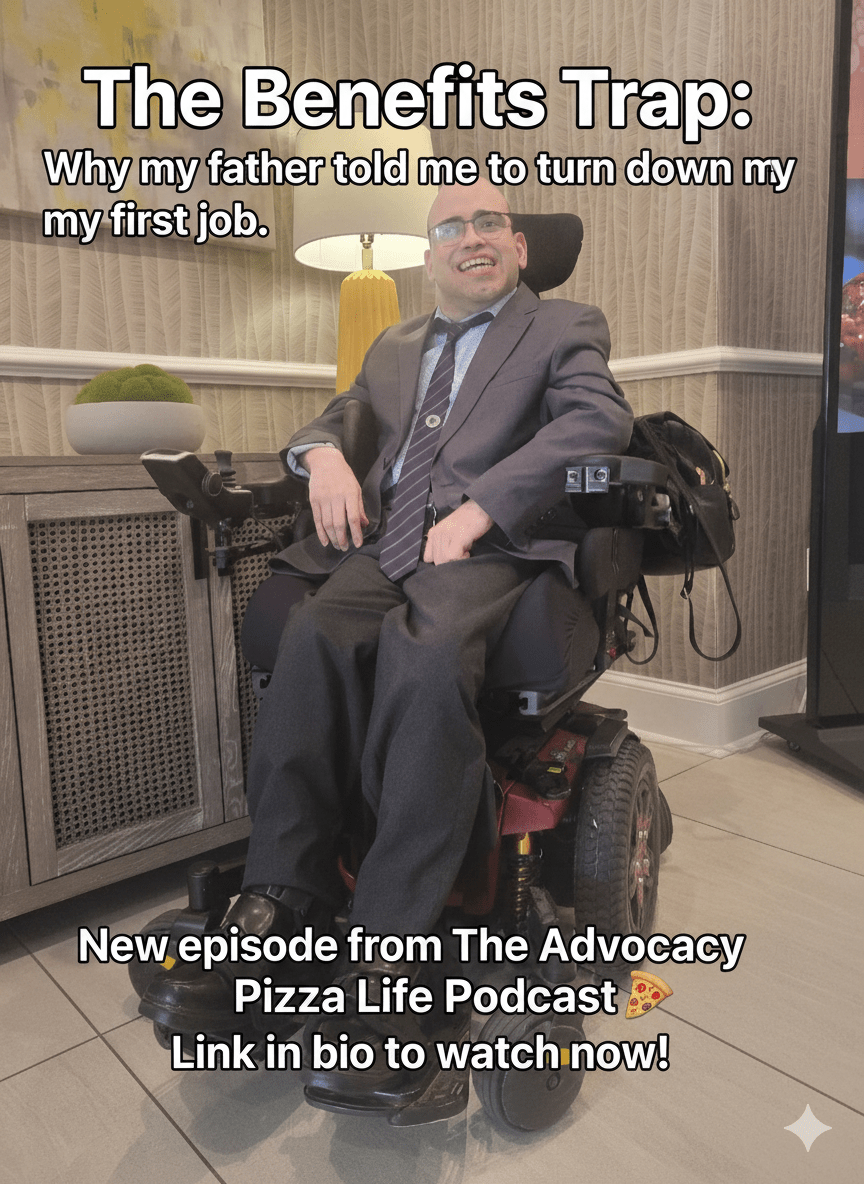
Become a paid subscriber to get access to the rest of this post and other exclusive content.
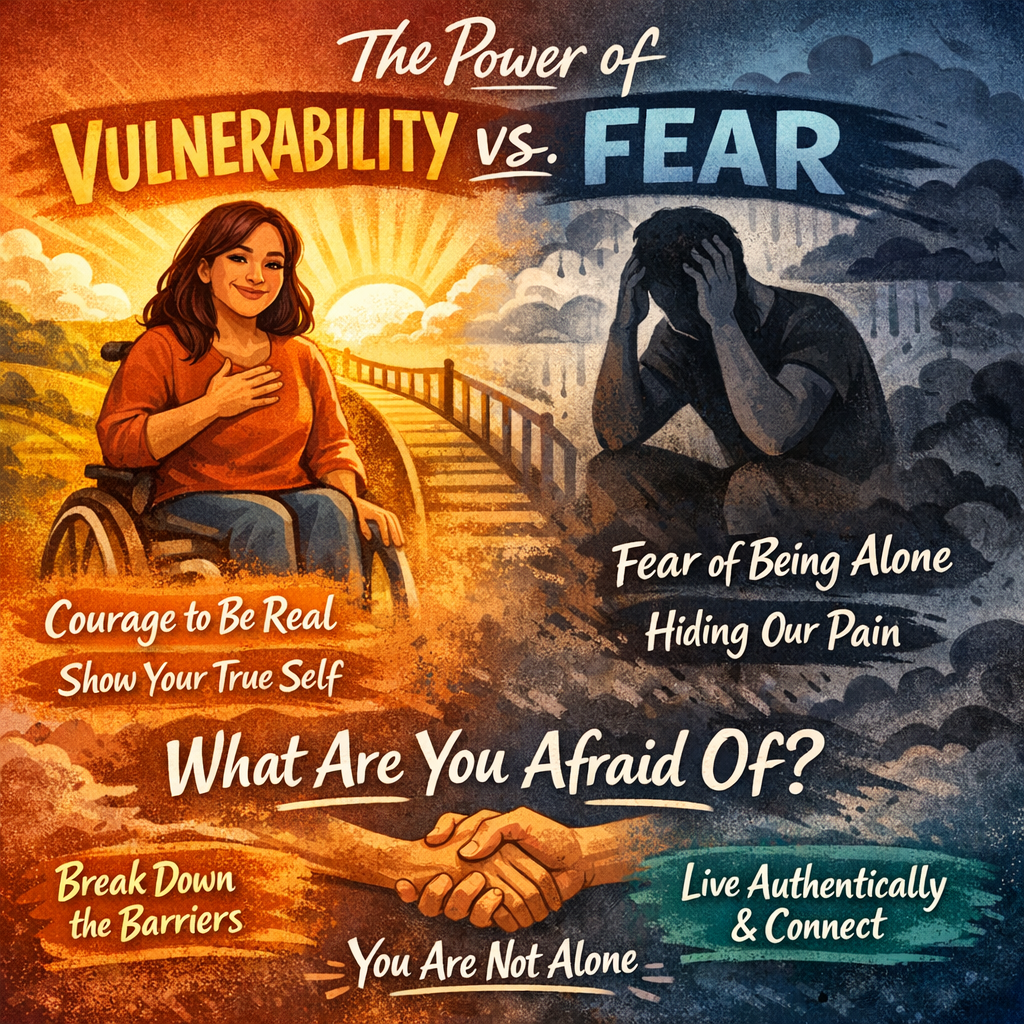
Apologies that this entire post is in one paragraph. There was some sort of glitch to like fix it.
What are you afraid of?”It’s a question that feels like it belongs on a high-stakes reality show, but for those of us navigating the advocacy world and the disability community, it’s a question we live with every single day. We often feel pressured to be the “fearless” leaders, the ones who always have the answers and never let the weight of our diagnosis or our circumstances pull us down.True strength isn’t about the absence of fear; it’s about the courage to be vulnerable despite it.I found myself watching the new season of Fear Factor. Watching people face physical challenges made me reflect on my own life and the things society expects me to be afraid of. People look at my life and assume I must be terrified of losing my job, my caregivers, or even my future.The truth? I’m not afraid of those things. I’ve been living on a budget since I was 18. I’ve had my fair share of bad caregivers and I know how to direct my own care. I’m not afraid of a world that’s afraid of me. I’ve spent my whole life adapting, and I know that if I get a chance at a real paid job, I’ll be the employee of the month in thirty days.I am no longer afraid of my diagnosis as I was when I was a kid. I’m no longer afraid to ask for help from my best friend, Jesus Christ.So, if I’m not afraid of the “big” things society points to, what am I afraid of?If I’m being perfectly honest—and completely vulnerable—I’m deathly afraid of dying alone. As I approach 40 in a few years, I think about the partnerships and relationships we all long for.In our world, people often focus so much on surface values and physical appearance that they never look beyond to the person underneath. Relationships often stall because society doesn’t always see the person with a disability as a partner to build a life with. I’m not afraid of trying to have a relationship; I’m afraid I won’t get the chance.Why Vulnerability is Your SuperpowerThis is the part of the “limbo” that we rarely discuss in public. We talk about policy, we talk about resources, and we talk about legislation. But we rarely talk about the human desire for connection and the fear of being left behind.I share this because I believe that showing our vulnerability is where our true strength lies. When we hide who we are or what our needs are—like I used to hide my school tray in the back of the class so other kids wouldn’t see it—we are living in fear. When we step out and say, “This is who I am, this is what I need, and this is what I hope for,” we reclaim our power.Advocacy is about more than just fighting for the “big” things; it’s about fighting for the right to live a full, human life—complete with all its fears and vulnerabilities.I’ve shown you my heart. Now, I want to hear yours. What are you afraid of? What are the barriers—internal or external—that you’re working to overcome this week?Let’s stop hiding in the back of the room. Let’s bridge those gaps together and show the world that we are not a community defined by fear, but a community defined by the courage to live authentically.Keep on rolling. Keep on living.

Read more of this content when you subscribe today.
Choose an amount
Or enter a custom amount
Your contribution is appreciated.
Your contribution is appreciated.
Your contribution is appreciated.
DonateDonate monthlyDonate yearly
Become a paid subscriber to get access to the rest of this post and other exclusive content.
Become a paid subscriber to get access to the rest of this post and other exclusive content.
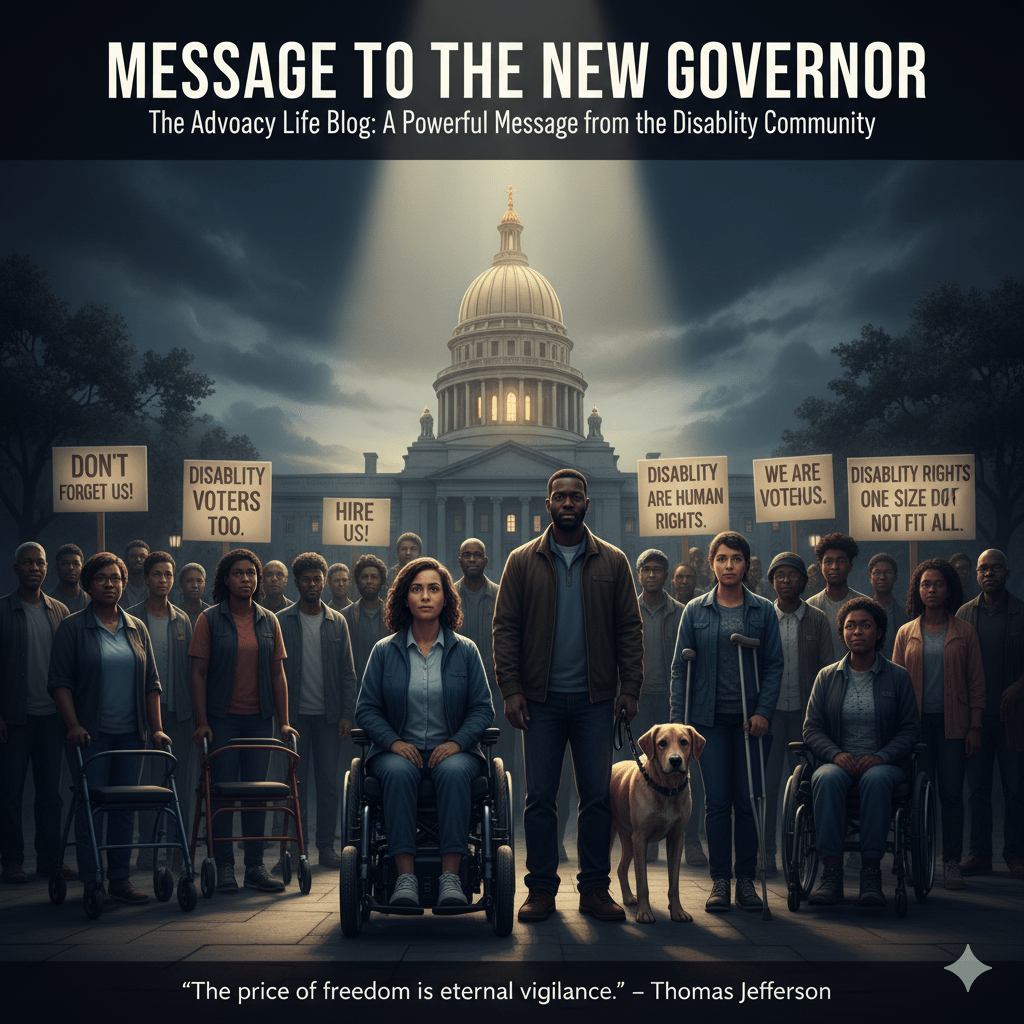

“The price of freedom is eternal vigilance,” Thomas Jefferson famously declared.
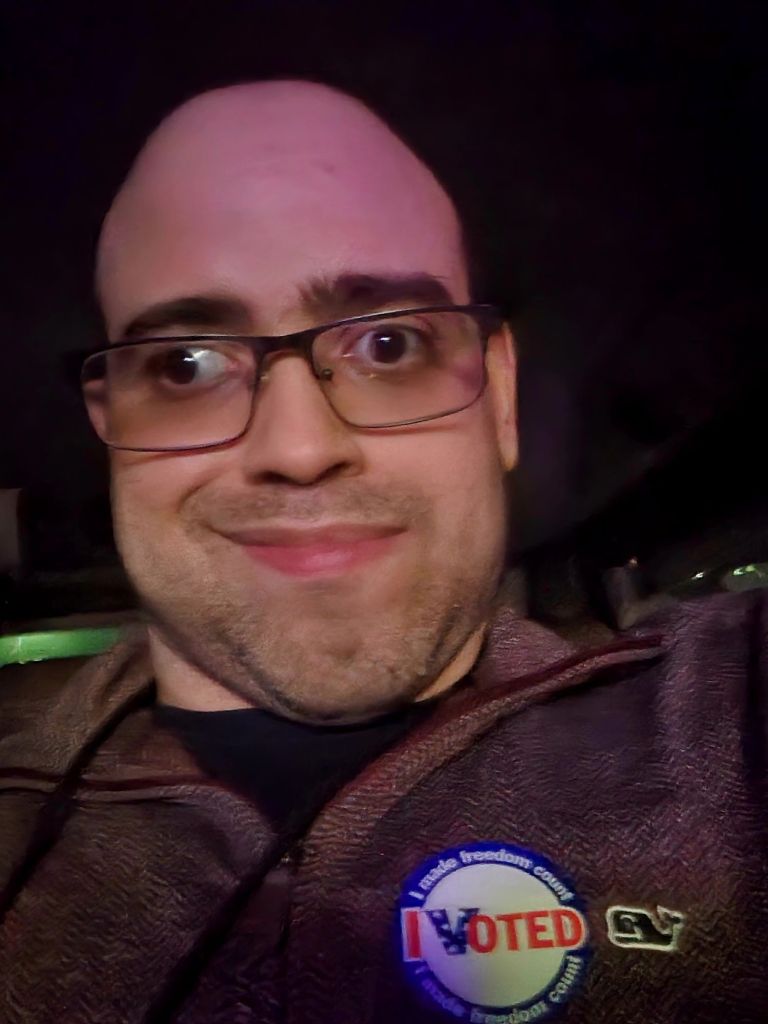
I’m writing this blog just hours before the election results roll in here in New Jersey. By the time many of you read this, our state will probably have a new governor-elect. If I could address the incoming governor, I would start with this: Do not forget us.
The disability population is the largest, most underserved, and most underrepresented community in America. We are voters. We are taxpayers. We are citizens. Yet, we are an afterthought, if thought of at all. Our needs are frequently sidelined in policy debates, treated as niche issues rather than fundamental human rights. This needs to change.
Our community is incredibly diverse. Disability comes in every skin color, every background, every walk of life. It touches families across all demographics, socio-economic statuses, and geographic locations. This means that disability rights are unequivocally human rights. They do not subscribe to any single political party, and our allegiance isn’t to a red or blue banner, but to the dignity of every person.
We stand for policies that genuinely support independence and self-determination, not those that inadvertently trap individuals in poverty or limit their potential. The disability experience is unique to the individual; a “one size fits all” approach simply does not work. We need policies crafted with nuance, understanding that what empowers one person may not work for another. We need legislation that respects the dignity of risk, allowing individuals to make choices, to learn, to contribute, and to live full, meaningful lives without fear of losing essential supports.
Many people with disabilities can and want to work. We want to contribute to our communities, to pay taxes, and to be active participants in the economy. Yet, current systems often create perverse disincentives, penalizing individuals who earn above a certain threshold by stripping away vital benefits like healthcare or personal care assistance. This traps people in a cycle of dependence when they desire nothing more than to be independent. Help us break these barriers. Help us contribute without fearing penalty. Help us be taxpayers, not perceived burdens.
Our community wants to contribute, not just consume resources. We seek opportunities, not charity. We demand respect, not pity. We are a vital part of New Jersey, and our voices deserve to be heard, our needs addressed, and our rights protected.
As the new administration takes shape, I urge them to remember Thomas Jefferson’s warning. The freedom and well-being of the disability community depend on constant vigilance from our leaders. We will be watching, advocating, and striving for a New Jersey where every citizen can thrive.

Become a paid subscriber to get access to the rest of this post and other exclusive content.
Become a paid subscriber to get access to the rest of this post and other exclusive content.

Become a paid subscriber to get access to the rest of this post and other exclusive content.
 The Advocacy Life Podcast & Blog