When life gives you lemons, you’re supposed to make lemonade, or so they say. In Cortez Range’s world, those lemons kept on coming, with far too little sweet stuff to mix in. From an early age, Cortez dealt with a world that did not resemble the happy family units seen on TV. Having a disability only made it harder to come to terms with life’s sometimes harsh twists and turns. Not one to back down from a good fight, however, Cortez did not accept that a life of pain and unhappiness was his fate. While it has not been easy, and Cortez has had his share of trouble, his experiences have helped form him into the person he is today.
Spending time with Cortez is like being in a classroom – there is always a takeaway – something you can learn about him, but oftentimes, something you can learn about yourself. Cortez’s drive to question things that just don’t make sense, and his passion for not just being heard but being understood, teach everyone around him valuable lessons about perseverance, forgiveness, and love.
Cortez works full-time as an automotive technician and lives in Hillsborough. He enjoys public speaking and advocacy work and is developing his voice so that he can help those who have been marginalized. He has presented twice at the APSE Facing the Future conference and was this year’s keynote speaker for the NJ Youth in Transition conference. Cortez is truly an advocate—not for people with disabilities but for people.
Nobody knows this, but I’m writing a follow-up to my book Confessions From Disability Limbo released in 2021. I’m hoping to have the first draft done by 2025. As a treat, here are the first few paragraphs. I hope you enjoy it. please give me some feedback. I am looking for gut reactions
Proverbs 11:25 NIV [25] A generous person will prosper; whoever refreshes others will be refreshed.
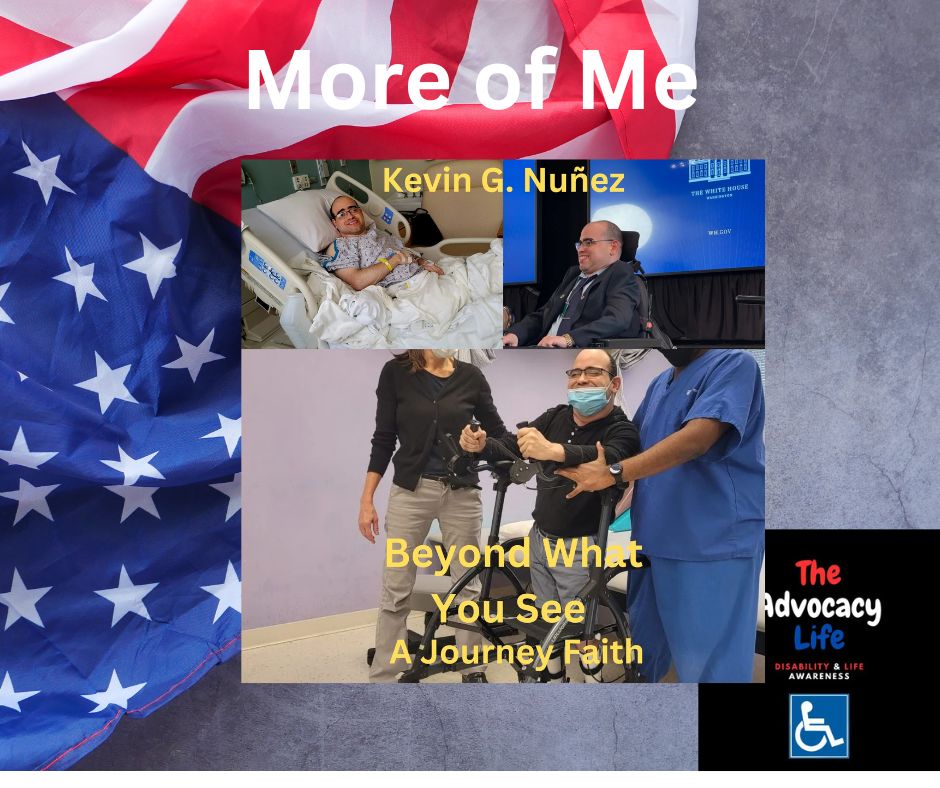
Greetings and warmest regards. I’m back with book number two! My name is Kevin G. Núñez, a 36-year-old male living with a developmental disability known as Cerebral Palsy. (CP) I use a wheelchair daily to help me ambulate throughout the day – in other words, no wheelchair, no legs. Additionally, I can’t get out of bed on my own or get dressed without the help of others. Things you take for granted are things I long for in life: driving, hugging someone, and even cleaning my backside.
A quick disclaimer before I get rolling. I’m currently the vice-chairman of the New Jersey Council on Developmental Disabilities (NJCDD), and this work does not reflect them or any other advocacy organization that I have been a part of. No one has endorsed this, and I have not received any money upfront to write it. Bragging about my accolades is not the purpose of this writing. I’m going to do the exact opposite.
I should have felt a sense of completion and joy when I clicked the “publish” button on Amazon’s Kindle Direct Publishing (KDP) for my first book, Confessions from Disability Limbo. Yet, something felt out of balance, and without balance, we have nothing. I promise that I’m not writing this out of vanity. You see, I did not start out planning to write a book. I had a few successful blog posts to help grow my website. Then, I wanted to write some letters of appreciation to my family and friends for helping me get to where I am today.
Up to that point, I mainly wrote about my life for my reflection. But I wrote my book for others. I wrote Confessions as if it were my first kiss: I didn’t know what I was doing, but I knew I had to share what was in my heart. As a result, I love my first book, and I stand by it, but I’m not too fond of the finished product. Confessions was and is beautiful. It holds a special place in my heart, but – to be honest – it’s wild and disjointed.
Yesterday was election day in the United States of America. I love this country and am so proud to be American. This blog is not going to focus on any other election day results but rather on my personal experience as a disabled voter. It was amazing!
I’m almost 40 years old, so I have been voting since the 2012 general election. Usually, it’s very quiet and subdued at my polling place. I acknowledge that being a coworker is not easy. If I’m honest, previously, I’ve had limited interaction with them. They don’t usually say much after you sign your name before stepping into the voting booth. There are roughly about 32,000 people in my town. Before yesterday there was little turnout in my district. I never kept track but I feel there’s never been more than 10 or so people in line to vote when I’m gone. I’m not saying people in my township don’t vote I’m saying you don’t see them. I was expecting more of the same this year.
Mark 12:31 NIV [31] The second is this: ‘Love your neighbor as yourself.’ There is no commandment greater than these.”
After a medical appointment and running some errands, I arrived with my family around 6:30 p.m. There were easily over 250 people in line. We went to the back of the line and began to wait. For those of you who don’t know, I have a twin brother who also uses a wheelchair. One of the poll workers saw us and asked if we needed assistance voting. We informed her that we didn’t mind waiting we knew it was part of the process. I never knew there was a different entrance for the elderly and disabled at this polling place. It was nice to be recognized and accommodated. There was still a line but this one was accessible. It was not overwhelming. Fortunately, I don’t have sensory issues, but if I did, this would have been much safer. A shorter line is not about convenience.
My identification was verified along with my address to make sure I was in the right polling place. My brother could not reach the tablet to sign his name because the court would not stretch that far. Our father had to sign on his behalf. He had to document himself as our assistant. To sum this might seem like a hassle but it was nice to know my vote was safe and secure. My brother does not have the best communication skills so it was good for him to have my father as an assistant instead of having to communicate with someone else. Our father has always assisted us during the voting process, but it was never documented before. These extra steps matter. They assure equity and equality.
As an individual, I know my voice as a US citizen was heard. Regardless of who is living at 1600 Pennsylvania Avenue come January. I’m still going to live with disability I’m still going to have to fight for my rights. I know I did my part in the Democratic process and I did my civic duty. This country does not ask much of me. I was happy to cast my balance! Thank you for reading and may God bless America!
In the November 2nd podcast for the Purposely Broken in World, Kevin breaks down how to accept your role in society positively, and they’re not to set unrealistic expectations for oneself for oneself. Learn from both good and bad experiences at all times. Please comment and share
SHOW LINKS Confessions from Disability Limbo Support the podcast Moments of Brightness Newsletter Disability Community Discord Cash App PayPal Website Twitter/X Instagram
This National Disability Employment Awareness Month, Celebrate how far we have come! The Disability Employment rate has never been higher! The labor participation rate for people with disabilities in 2018 was 37.8 percent; in 2024, it is now 40.0. Tremendous strides have been made! It is also important to acknowledge that more can be done and how we get there.
How do we get there? Two things need to happen, Everyone needs to support each other and know that getting a job could take some time, especially a job with health care and a living wage. I enjoy what I do and most importantly I enjoy helping people. It makes me happy. My happiest moment last year was hearing that a former client heard back from her dream job and received a job offer. She has been working there ever since. I have yet to help anyone land their dream job this year, but the year is still not over. My inspiration for this opinion article is to inspire business owners, human resource officers, and the public at large to hire more people with disabilities. People with disabilities, stay at jobs longer and are great workers. If they need an accommodation it will not cost much money the average accommodation is $300. I would also like to say that if you are a person with a disability you should advocate for yourself. It is also important to advocate for others because there is strength in numbers. Every human rights moment was moved forward with a large number of people and yes disability rights are human rights.
This passion for helping people with disabilities is very personal to me. I came out of college with an internship at a Senator’s office, multiple student leadership and work experiences as well as nearly graduating with honors. I thought I would have multiple full-time offers coming out of college boy was I wrong? I would have an easy time getting an interview based on my resume but when it came to going on the interview I would be so self-conscious as a person who stutters and born with missing fingers on my right arm. I would not get hired because I did not show that I could do the job and I do not bring the confidence or passion either. Through hard work, going back to school, and networking I finally got a full-time job three and a half years after I graduated college. I did not get a permanent full-time job in health care for 12 years after I graduated college. I never gave up but it took time. I saved up money to get driving lessons, and then a car so I could drive myself to speech therapy. I continued and to this current day continue to work on myself. Working gave me the ability to do these things and more. Work gives me purpose and the ability to better myself and maybe one day start my own family. I want every person in the disability community to be able to work if they want to work.
I call on leaders in the disability field, elected leaders, people with disabilities, and the general public to not accept the status quo on disability employment. We need more mentors, more willingness to move forward on ideas, and most importantly more opportunities in society. The time is now to not just say these things but to truly implement them in real time. If you would like to join me and help advocate for more employment opportunities for the disability community here’s my email jesseschwartzman00@gmail.com I await your message.
i
Jesse Schwartzman is a disability advocate who has worked in the legal, political, and advocacy fields. He currently works as an outreach and advocacy worker in the disability field. Jesse enjoys helping people and watching sports and movies. He can be reached at jesseschwartzman00@gmail.com.
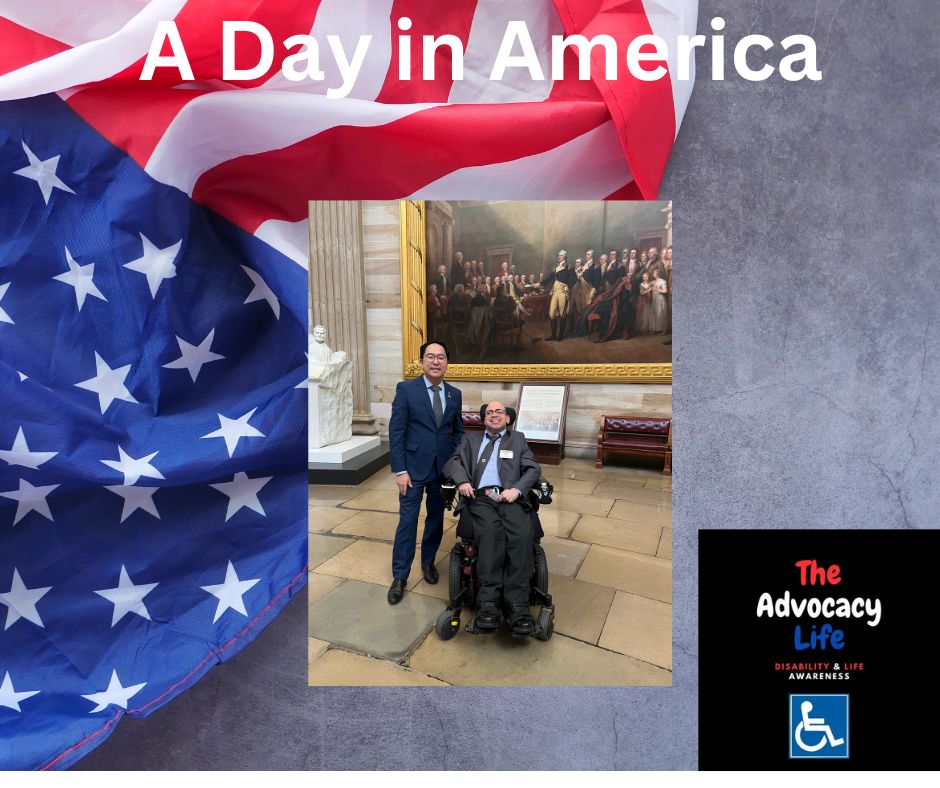
2024 is shipping up to be my best advocacy year! In October, this blog reached 3ed its anniversary. The podcast will be 3 years old in January. I was honored to be invited to the White House to speak. I’m optimistic that I can finish the first draft of my second book by December. I serve on both state and National disability advocacy boards to improve the lives of my brothers and sisters with disabilities. What does all this success add up to? As far as this world goes, less than Zero. I don’t want to be Logan Paul or Joe Rogan I just want to live. I live a backward life and I love it
I have over 160 followers on this website. On average only 30 open the blogs when it is sent to their emails. About 12 folks listen to the podcast regularly. I started a bonus newsletter, and I have four subscribers. Last week, I looked in my bank account. I have more money in there than ever, thanks to book sales, and other projects I’m involved with. It’s less than $2,000 because I must stay legally broke to maintain my Medicaid eligibility. Money matters in this life how can I live?
Matthew 16:25 NIV 25] For whoever wants to save their life will lose it, but whoever loses their life for me will find it.
I did the math. I need roughly $100,000 to employ caregivers and other long-term support. This does not include rent, food, or utilities. To live as independently as possible, I estimate I would need about $150,000 a year, assuming I have no debt.
Some of my dream jobs include being a translator at the UN. The top-level translator makes approximately 54,000 a year. That’s not going to cut it. The average legislative aid salary in Washington, DC, is $ 78,000 a year. That doesn’t work either. 68,000 a year is the average salary of a paralegal in New York City. Nope, that still doesn’t work. Let’s try one more: in New Jersey, a social worker makes just under 64,000 a year at the top level.
To be clear, it is possible to work and keep your benefits at the same time, but it is purposely dangerous to navigate this system. It’s like navigating a minefield naked. For most of us, we have to call our benefits counselor twice a month feeling like the Orphan Oliver “Please sir, may I have some more?” something doesn’t add up.
It costs 20 to 25% more to raise a disabled child some people out there think that individuals like myself should not be allowed to live. I think it’s because of the financial burden. People like me just want a chance to live to show you that we can do more and be more than you ever expect because life is not about numbers it’s a journey to learn and grow every day. There is a Bill in Congress right now to raise the asset limit from $2,000 set in 1983 to $10,000. This would be a very small step toward equality but people don’t even know about it.
We have men and women fighting all over the world to protect our freedom. As Americans. Disabled Americans need to rise and have their voices heard so we can be financially free and have the same opportunities As Americans. America does employ two models of socialism. Prisons and developmental centers. The government provides all the essentials to live, but there’s one thing missing: freedom.
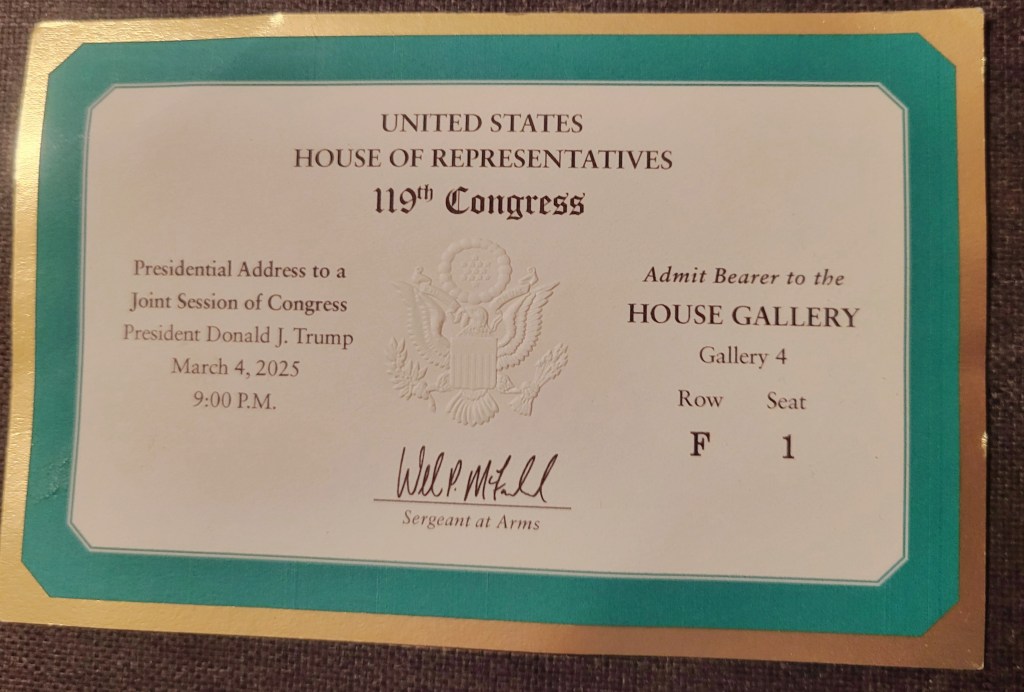
Where are the warriors of the Next generation to make sure that this vital population of America does not get left behind? I love my disabled life and I’m thankful for it because it’s taking me so many places and showing me the real value of life. Americans need to stop being afraid; they need to live; they need to help others live. Mr President and other elected officials help us streamline the disability system so we can do our part to take care of those who are more vulnerable than me and live a joyful American Life.
Greetings once again to all my readers. I don’t just enjoy writing blogs; I love reading them, too. Recently, I came across an inspiring post by Lily Pierce, a remarkable woman who lives with a disability. She wrote a powerful piece on how we perceive our physical appearance, and her words deeply resonated with me. I’ll include a link to the post for those interested. Lily’s post sparked an idea within me—one that I want to share today: a letter to thank my body for everything it has done for me, even when I’ve taken it for granted.
When people first see me, they may notice someone standing no taller than five feet, with little hair on my head since my twenties—but plenty elsewhere! Grooming can be awkward for anyone, but imagine having to ask for help to do it. That’s my reality. Some people may focus on the scars I carry from countless surgeries, or how no matter how much time I spend at the gym, I’ll never regain the six-pack I lost at sixteen.
I often joke that it’s only my body that’s broken—not my mind or heart. Of course, I know that’s not entirely true. But humor has always been a way for me to embrace my situation and make light of things. In a world that often values outward appearances, I can’t change societal standards—but perhaps, with this letter to my body, I can inspire a shift in how we view ourselves.
Galatians 5:17 NIV [17] For the flesh desires what is contrary to the Spirit, and the Spirit what is contrary to the flesh. They are in conflict with each other, so that you are not to do whatever you want.
Dear Body,
Many hands have helped care for you—not just mine. So many doctors, nurses, friends, family, and caregivers have played a role in keeping you strong, and I thank you for accepting all of them. Thank you for enduring years of medication and surgeries, and for allowing me to stay as healthy as I am today. I’m grateful that those medical interventions have lessened as we’ve aged.
Thank you to my eyes for showing me the beauty in the world, even when others focus on its negatives. Thank you to my nose for savoring the smells of home-cooked meals, and to my ears for absorbing laughter, wisdom, and the sounds that make life rich. Thank you to my voice and lips for helping me speak up for others and advocate for those in need.
To my arms and legs, thank you for always trying—despite the pain you endure. Even when walking or standing isn’t easy, you never give up. And as personal as this may sound, I want to thank my “male organ”—for reminding me that no matter how the world sees me, I am a man, whole and complete.
Lastly, thank you to my feet. Though I’ve never stood fully on you, I know I would have no foundation without you.
Our bodies may not always look or function as we wish, but they carry us through life nonetheless. For that, I am deeply thankful. Thank you for reading, and I hope you have a wonderful day.