
Subscribe to continue reading
Become a paid subscriber to get access to the rest of this post and other exclusive content.
Become a paid subscriber to get access to the rest of this post and other exclusive content.
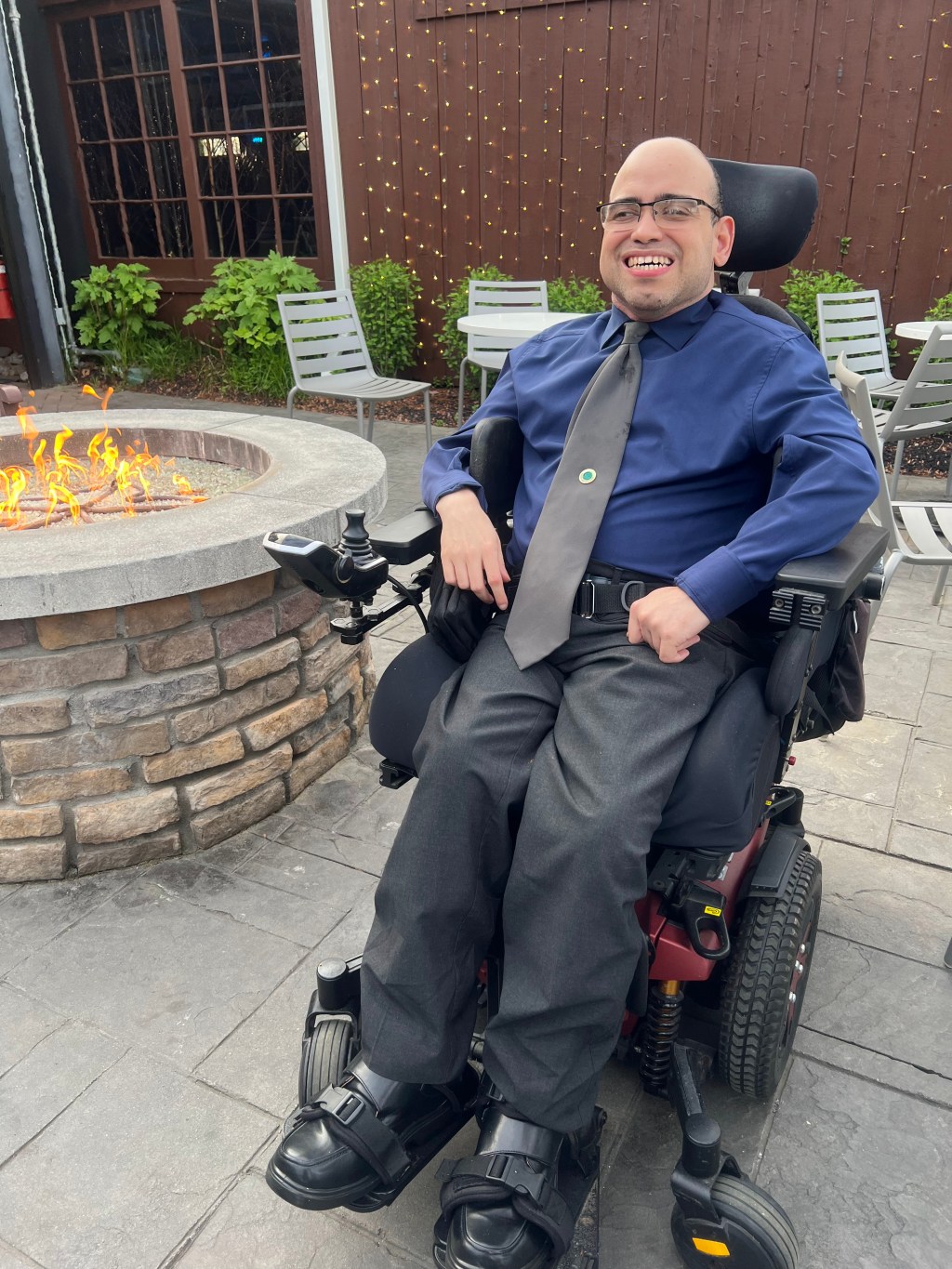
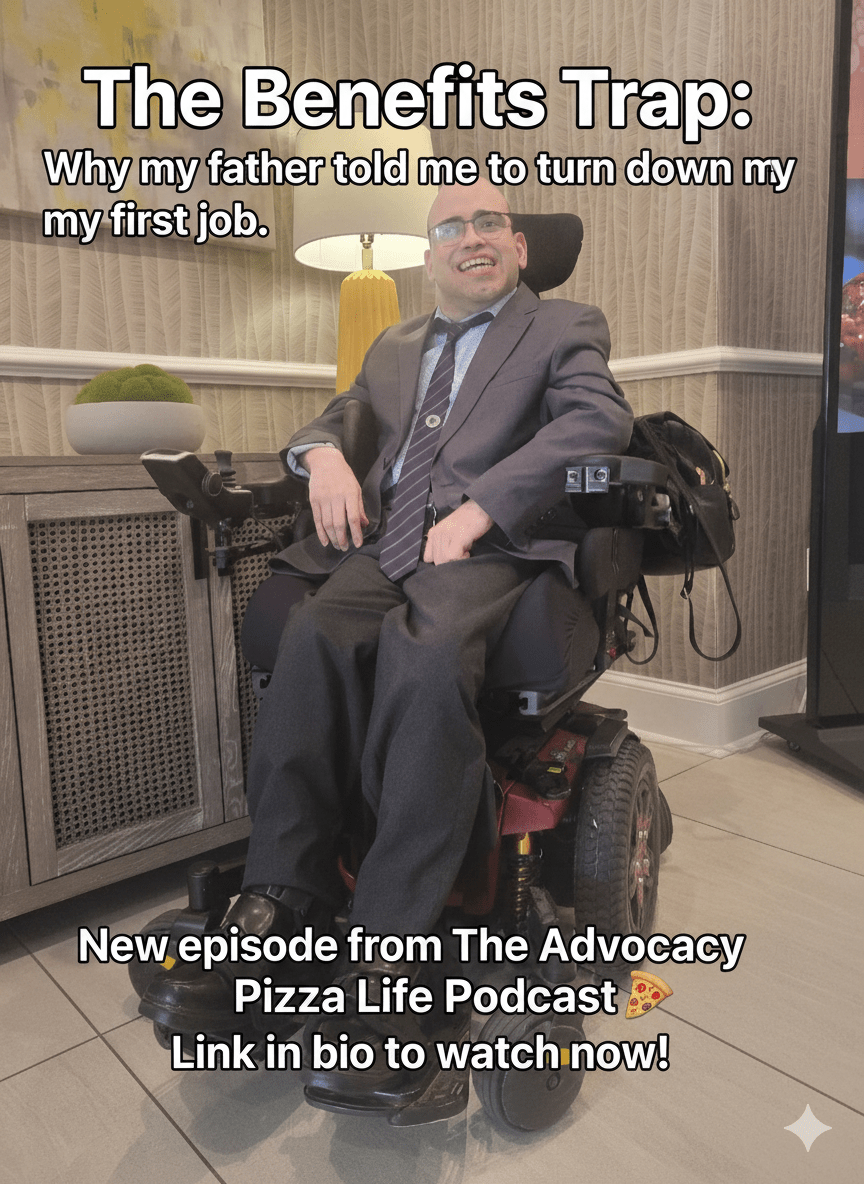
In 2006, I was given my first job offer. To be a greeter at Walmart. I filled out the application online with tons of enthusiasm. I was in the final weeks of my senior year. This would have been a respectable first employment. I was hit with a horrid dilemma. Around their 18th birthday, there is a bizarre rite of passage that takes place for my community, and that is their initial enrollment for Social Security benefits: Supplemental Security Insurance (SSI)
I rushed home to tell my dad, he was furious.
“If you’re going to risk your life, don’t be a clown in people’s circus. You can’t grow there. Sooner or later, you will lose the benefits you need, and then what are you going to do? You’re going to go there with the best of intentions, saying hi to everyone, and people are just going to walk right by you. You could work there for 20 years, and you’ll be exactly where you are now. You don’t have a safety net in this life. Everything you do must be calculated. Do something where you can make a difference and make sure it’s worth it. “
The summer before I went to college, I did an internship for my local mayor’s office. That was the right fit. Her office was right by the high school. The school bus would drop me off. I spent afternoons there twice a week. I put together all the packets for the new residents. Complete with a signed letter from the mayor. I was a good office clerk. After 2 weeks, I was featured in the town newsletter. My dad kept that for the longest time.As a parting gift, they gave me a small blue piggy bank for me to save my money.
“I’ve always believed that, given the tools and equipment they need and on a level playing field, American workers can out compete and beat the pants off anybody, anywhere.”-Rnold Reagan.
In the midst of the pandemic, I worked with Assemblywoman Carroll Murphy to improve New Jersey’s Workability program. It required an update. It is not perfect by any means, but it’s a needed step in the right direction. While everyone was watching Netflix and gaining weight during the shutdown. I worked with the NJCDD to launch the disability legislative caucus across the Garden State. It is completely nonpartisan with leadership from both sides of the aisle. The goal is to foster conversations with legislators before bills are passed into law.

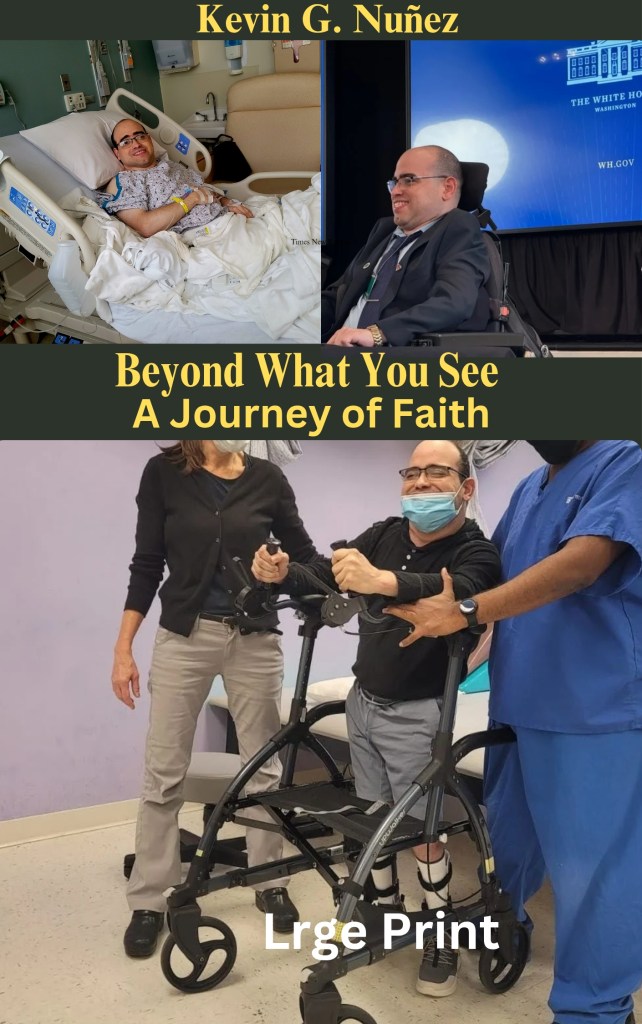
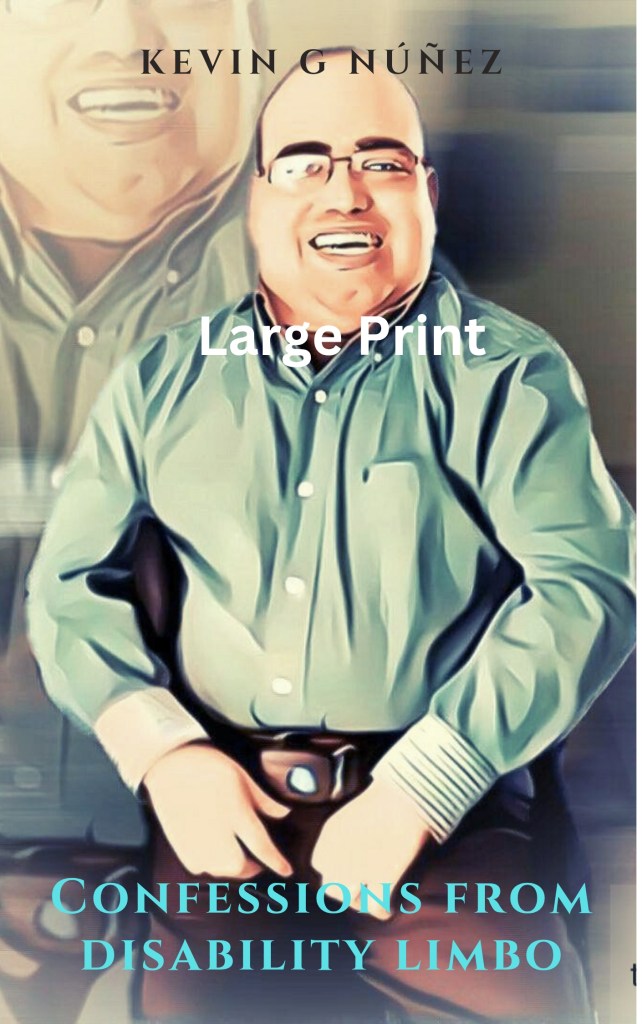
Both books are available exclusively on Amazon.
This is an exclusive weekly blog on the more fun and creative side of Kevin and his colleagues..
This is an affiliated podcast that the advocacy life often collaborates with on Check it out today available on all podcast platforms and YouTube..
Choose an amount
Or enter a custom amounts
Your contribution is appreciated.
Your contribution is appreciated.
Your contribution is appreciated.
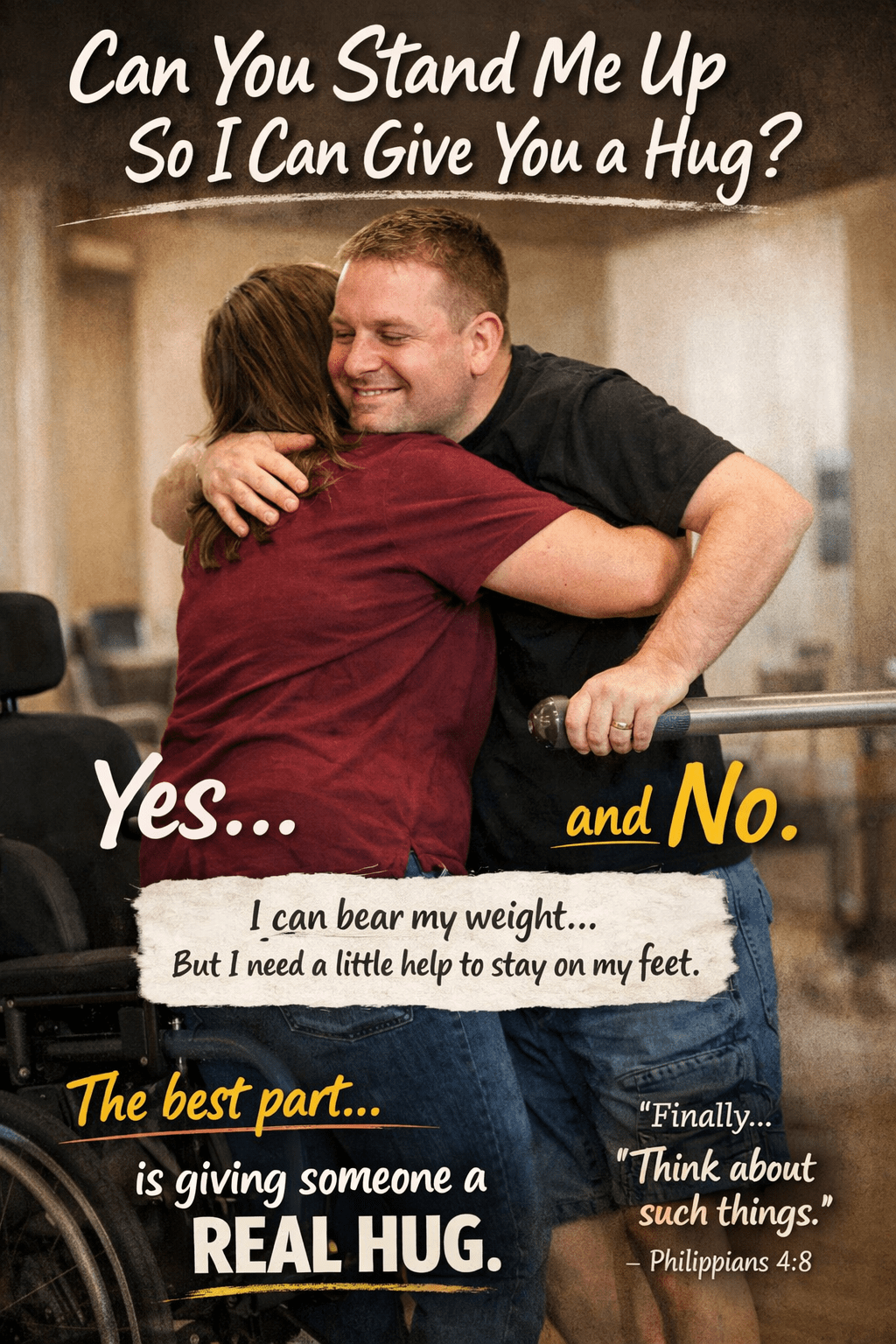
As I look ahead to everything we’re building this year, I’ve decided to go back to the beginning. Every now and again, alongside our new community posts, I’ll be refreshing some of my “classic” writings—pieces I wrote years ago that still speak to the core of the advocacy life today.We start with a question I get asked more than almost any other: “Can you stand up?”
It’s time to answer that once and for all. The answer is both “yes” and “no.”I can bear my own weight, which creates the illusion of standing. But in reality, I am a balance act; I can tip over the second I’m placed in that position. I can only stand semi-independently if I’m holding onto a grab bar or something similar. Eventually, my arms will give out, and I’ll be on the floor until someone picks me up.When I say I am “bearing my weight,” I mean my muscles are doing the work of sustaining my body mass. I just need someone there to stabilize the frame. It doesn’t take specialized medical skill to help me—it just takes practice and the confidence to realize that we aren’t going to drop each other.
The ironic thing is that many people in my life have never seen me do this. I usually save it for transfers or therapy. But the most important reason I stand isn’t for exercise. It’s because it puts me in the perfect position to do something I can’t do from my chair: give a real hug.
Finally, brothers and sisters, whatever is true, whatever is noble, whatever is right, whatever is pure, whatever is lovely, whatever is admirable—if anything is excellent or praiseworthy—think about such things. Philippians 4:Because
I am always in a seated position, I can’t easily give the people I love a gentle, chest-to-chest embrace. I usually have to wait for them to come down to my level. Most people know me in two ways: either as the loudmouth, obnoxious joker, or the constant professional looking for the next advocacy opportunity. They are so used to the “Seated Kevin” that they don’t even consider the “Standing Kevin.”The look of shock—and sometimes horror—I get when I ask, “Can you stand me up so I can give you a hug?”
Never gets old. Sometimes I don’t even ask because I can sense their discomfort.But I’m sharing this now because we live in a world where simple, human affection is often frowned upon or treated as something “wrong.” The truth is, so many people are starving for simple human contact. There are so many people I’ve wanted to hug over the years but never did because the world was too afraid of the mechanics to see the man.I’m done hiding the “trays” of my life. If you see me this year, don’t be afraid of standing. Be ready for the embrace.
Both books are available exclusively on Amazon.
This is an exclusive weekly blog on the more fun and creative side of Kevin and his colleagues..
This is an affiliated podcast that the advocacy life often collaborates with on Check it out today available on all podcast platforms and YouTube..
Choose an amount
Or enter a custom amounts
Your contribution is appreciated.
Your contribution is appreciated.
Your contribution is appreciated.
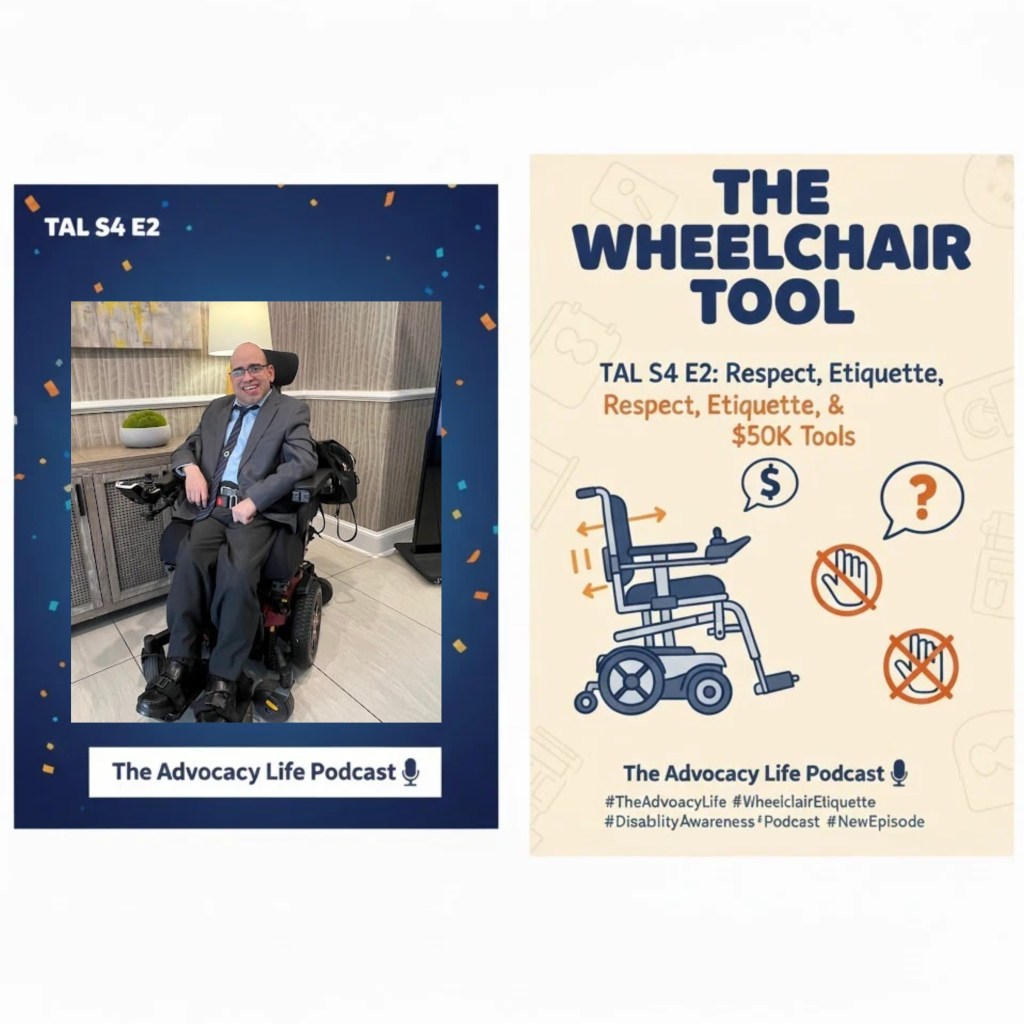
Podcast Episode
Welcome back to The Advocacy Life Podcast! In this crucial episode, “The Wheelchair Tool,” we are bridging the gap of understanding between the public and mobility devices. Host Kevin Nunez addresses common misconceptions and misunderstandings about wheelchairs, clarifying the difference between an electric wheelchair and a scooter. Key Takeaways in this episode:Tool, Not a Toy: A wheelchair is an expensive, customized life tool, not an accessory, handbag, or luxury item. Kevin’s new chair, for which he’s been fitted, costs between \$50,000 and \$60,000. The New Chair Goal: Kevin shares his goal of getting a new wheelchair with a rise function to allow him to speak and interact at eye level, and to reach higher shelves. Wheelchair Etiquette 101: Learn the dos and don’ts of interacting with someone in a wheelchair: Never hang off the back or push the chair without permission. Never grab the joystick. Stop the overused, disrespectful jokes like, “How fast does that thing go?”. Defense Mechanism: Kevin discusses how the wheelchair serves as his only defense in public, even during an active shooter drill. Maintenance & Health: The importance of regular servicing, and how being vigilant (like Kevin) can help prevent pressure sores (which are preventable, unlike what happened to Christopher Reeve). Be respectful, be kind, and realize the person in the chair is just trying to live their life the best way they can.Episode Transcripthttps://turboscribe.ai/transcript/share/8457760100267752062/wmlNVLD4RKnq15t6xT7_ZC8Fqyt3qGD_oniImTCAIPI/tal-s4-e2-the-wheelchair-tool
Become a paid subscriber to get access to the rest of this post and other exclusive content.
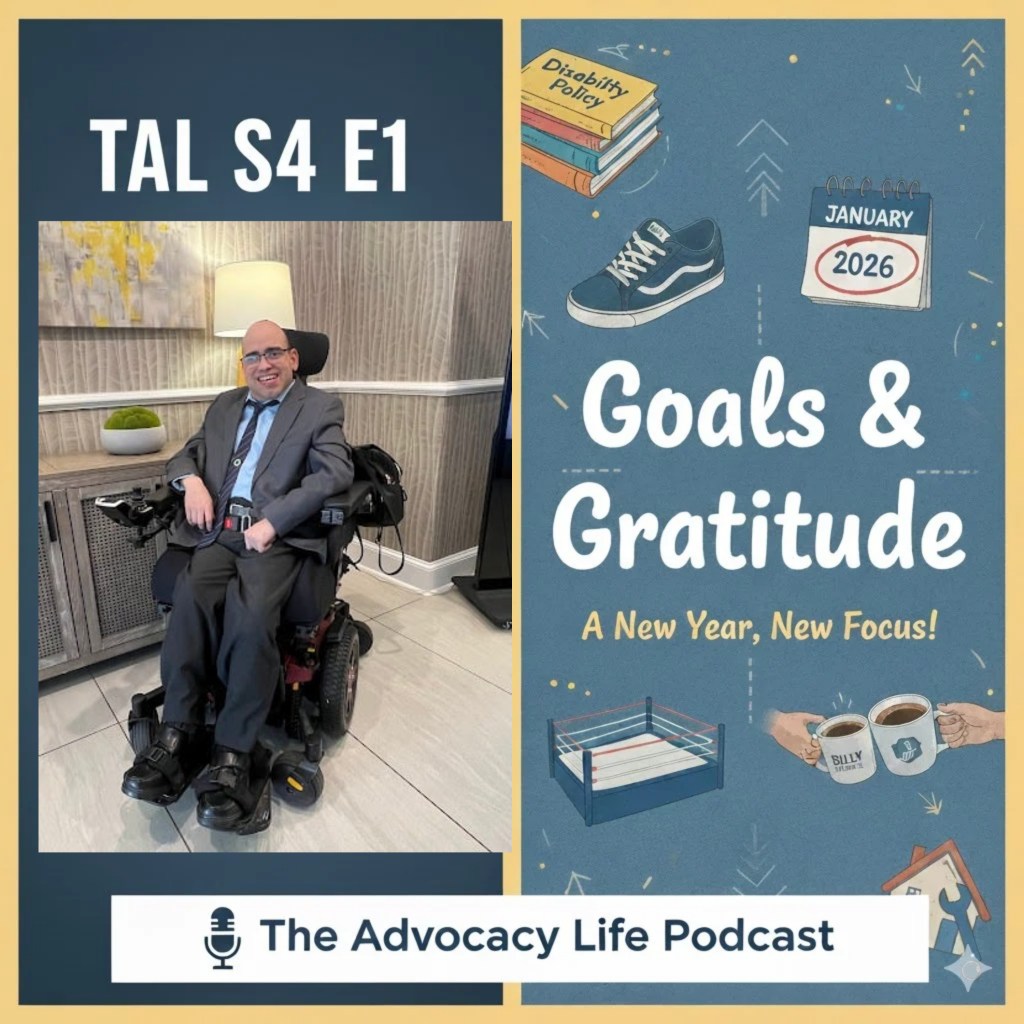
Welcome back to The Advocacy Life Podcast and Vlog! We are kicking off 2026 with a brand new season of episodes, focusing on what truly matters: Gratitude and Goals! Host Kevin Nunez is back after missing November and December (life happened, including a kitchen remodel and he’s bringing quality over quantity by switching to two high-quality episodes a month.In this episode, Kevin gets personal, sharing what he’s deeply thankful for:Family and Friends: A huge shout out to the family (Dad, Mom, Stepdad, etc.) who help set up the podcast equipment, and to friends—the initial reason he started podcasting. Growth: Being thankful for the podcast evolving from sketchy cell phone recordings to a fully-developed show, and for hitting 200 subscribers on theadvocacylife.com alone! Health Victories: Celebrating a major victory in 2025: the first year in about five years without any surgeries or major hospitalizations. Small Connections: Sharing a major connection made at a state function that led to sending in a resume for a potential staff position with Governor-Elect Mikey Sherrill. Then, he lays out his ambitious goals for 2026:Writing: Finishing his third book, the conclusion to the Living Beyond Disability series, which focuses on Disability Policy 101 for self-advocates. Personal Victory: Buying new clothes and new accessible Billy Shoes—a huge deal after losing weight and dealing with the constant battle of finding shoes that fit orthotics.
Social Life: The deeply personal goal of making a real, close friend to talk to more regularly.
Episode Transcripts
Both books are available exclusively on Amazon.
This is an exclusive weekly blog on the more fun and creative side of Kevin and his colleagues..
This is an affiliated podcast that the advocacy life often collaborates with on Check it out today available on all podcast platforms and YouTube..
Choose an amount
Or enter a custom amounts
Your contribution is appreciated.
Your contribution is appreciated.
Your contribution is appreciated.
Become a paid subscriber to get access to the rest of this post and other exclusive content.
Following up on our conversation last week about the state of disability advocacy, I want to drill down into a crucial, and often painful, question: Why do so many advocacy organizations, even those founded with fire and passion by disabled individuals, stray from their mission and devolve into nothing more than a social club.
The answer isn’t a lack of passion; it’s a lack of professional structure. For an organization to last beyond its first two years, it must establish a proper foundation. First, there must be a clear mission or purpose. Ideas are plentiful, but without a singular, defined goal, energy dissipates into general activities that accomplish little. This is quickly followed by the necessity of a clear Leadership structure. A plan for decision-making must be ironed out within the first six months; without it, the organization becomes directionless.Mission and leadership mean little without accountability. Proven accountability must be figured out from the very beginning.
Stakeholders—from staff to community members—need to know how serious issues will be addressed. Furthermore, advocacy requires resources, so a clear financial structure and plan must be in place before you begin. Make your financial proposal accessible and transparent to all interested parties; professional integrity starts with financial transparency.To avoid simply becoming a complaint factory, we must think outside the box. Advocacy organizations must propose solutions and not just complain about problems. This is where we show our mettle. We must also cultivate an organization of advocates willing to do the work, not just talk about doing the work. The dignity of the advocacy movement demands that the organization also take on the dignity of risk—meaning we are willing to take bold action and accept the professional risks that come with true, game-changing efforts.As an organization matures, it must define its lane. What is your competitive Advantage.
to make your organization different from all the others? Simply advocating for “disabled people” is too broad. You must pull the resources and strength of your membership, recognizing that everyone has a story and a different set of skills. That difference is a strength, not a liability, but it means that not everyone can perform the same tasks.This brings us to mission clarity: If your organization is designed for teaching, then teach. If your organization is for change, then focus on change; you can’t effectively do both without splitting your efforts and diminishing your impact. The advocacy movement is not new, but we are undeniably in a new era, and we need to find new ways to deliver our message.This
This new era demands structure, specialization, and professional accountability.The time for passion alone to drive advocacy is over. We must match the intensity of our commitment with the clarity of our organizational design. Only then can we guarantee that our organizations last, grow, and truly fulfill their vital mission. For my incredible community.
be sharing an additional Community Blog this week to keep our conversations flowing! Until I get my podcast back up and running, you can expect these bonus Community Blogs every Wednesday. Thank you for your understanding and continued engagement!
Both books are available exclusively on Amazon.
This is an exclusive weekly blog on the more fun and creative side of Kevin and his colleagues..
This is an affiliated podcast that the advocacy life often collaborates with on Check it out today available on all podcast platforms and YouTube..
Choose an amount
Or enter a custom amounts
Your contribution is appreciated.
Your contribution is appreciated.
Your contribution is appreciated.
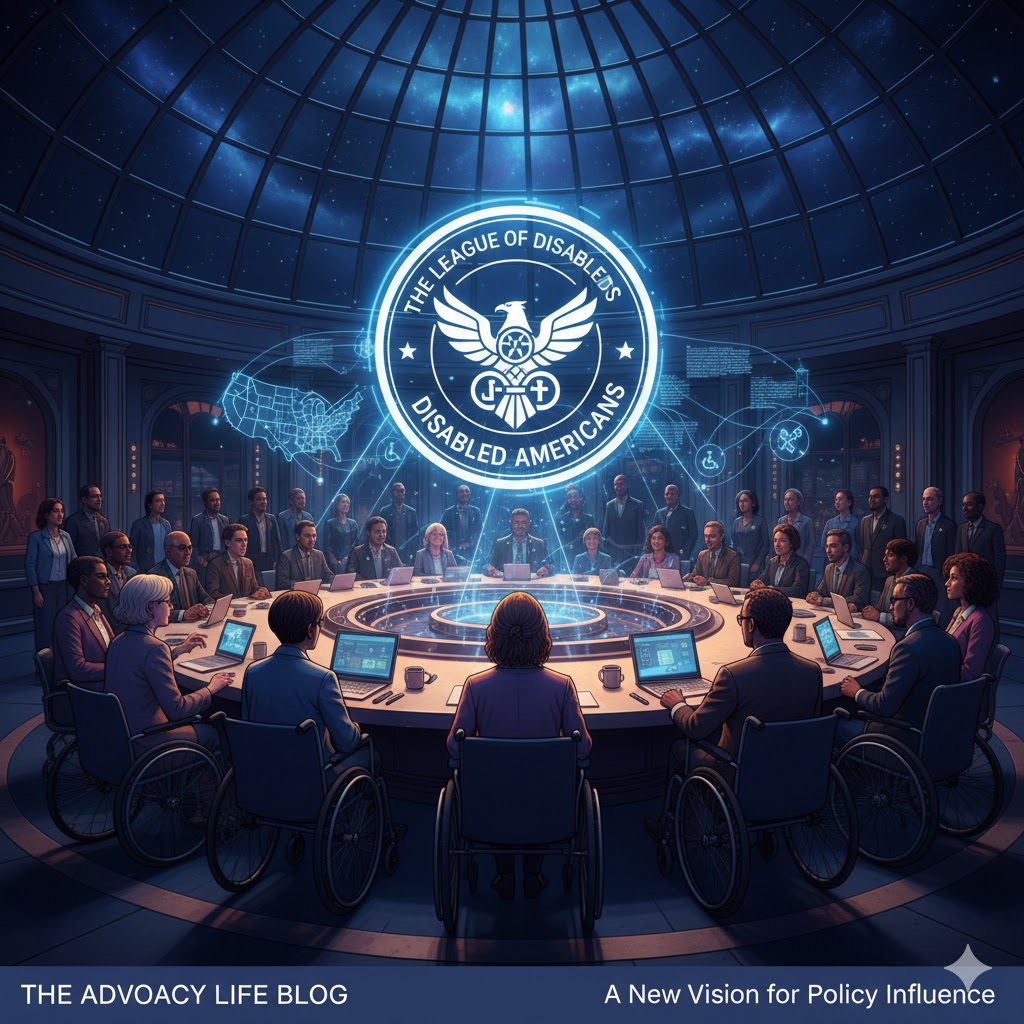
For years, I’ve observed and participated in the vital work of disability advocacy. We have incredible organizations, passionate individuals, and powerful stories. Yet, despite our collective strength, there remains a persistent sense that we often react rather than truly shape the national agenda. We fight battles, win some, lose some, but the systemic shift that many of us yearn for feels perpetually just out of reach.
It’s time for a new approach. It’s time to think bigger, to act more strategically, and to consolidate our power where it matters most: influencing policy at the highest levels. My vision is for a new advocacy organization, unlike any other, dedicated solely to influencing policy in America. I call it: The League of Disabled Americans.
This League would be comprised exclusively of individuals with disabilities – a powerful testament to our lived experience and expertise. Imagine: two representatives from each of the 50 states, plus two from each of the U.S. territories, for a total of 112 dedicated advocates. Each member would be directly nominated by the disability community within their respective state or territory, ensuring true grassroots representation and accountability.
From day one, this body would operate with a clear, decisive purpose. A steering committee, formed from these initial representatives, would immediately begin drafting a concise list of goals and objectives. These wouldn’t be vague aspirations, but concrete policy targets. Well-organized instructions and bylaws would govern its operation, ensuring transparency, efficiency, and a unified voice. This is about precision, not popularity contests.
One of the greatest pitfalls for many advocacy organizations is thinking too small and attempting to grow organically without a clear, scaled strategy. The League of Disabled Americans would reverse this paradigm. Instead of building from the bottom up, hoping to gain traction, we would think backwards. What is the ultimate, audacious goal – a truly inclusive America, fully represented in policy? Now, how do we break that down into smaller, achievable objectives that culminate in that vision? This means setting a high bar from the outset, focusing on impact, and building a structure designed for influence.
Crucially, this organization needs to start with well-recognized advocates. This isn’t to exclude anyone, but to establish immediate credibility and leverage. We need figures who command respect, who understand the political landscape, and who can walk into a room and be heard. The goal is to establish a presence so undeniable that organizations, legislative bodies, and policymakers come to us for insight and partnership, rather than us constantly having to beg for funds and support. We must shift from being supplicants to being indispensable partners in policy development.
Finally, and perhaps most importantly, The League of Disabled Americans would exist to help break down the silos within the broader disability advocacy community. We are too often fragmented, each fighting our own specific battle. While vital, this fragmentation can diminish our collective power. The League would serve as a unifying force, identifying cross-disability issues, sharing best practices, and presenting a cohesive, national front on policy matters that affect us all. It would be a hub of knowledge, strategy, and power, ensuring that the diverse voices of the disabled community speak with a singular, unignorable purpose in the halls of power.
This is an ambitious vision, yes. But the time for timid advocacy is over. The time for a truly independent, disabled-led, policy-focused force is now. Let’s build the League of Disabled Americans and demand our seat at every table where decisions are made.
Both books are available exclusively on Amazon.
This is an exclusive weekly blog on the more fun and creative side of Kevin and his colleagues..
This is an affiliated podcast that the advocacy life often collaborates with on Check it out today available on all podcast platforms and YouTube..
Choose an amount
Or enter a custom amounts
Your contribution is appreciated.
Your contribution is appreciated.
Your contribution is appreciated.
Become a paid subscriber to get access to the rest of this post and other exclusive content.

