
Subscribe to continue reading
Become a paid subscriber to get access to the rest of this post and other exclusive content.
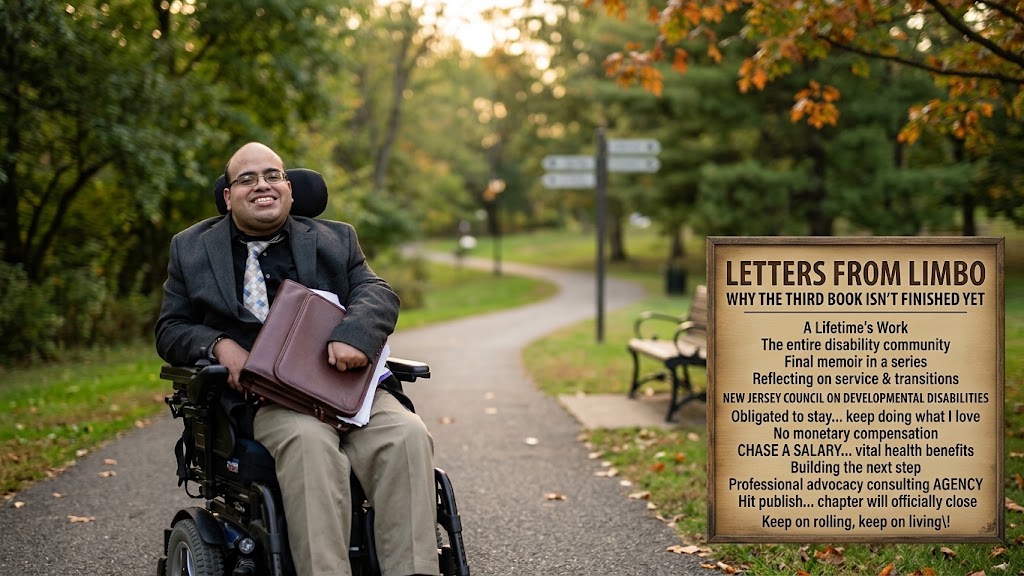
Become a paid subscriber to get access to the rest of this post and other exclusive content.
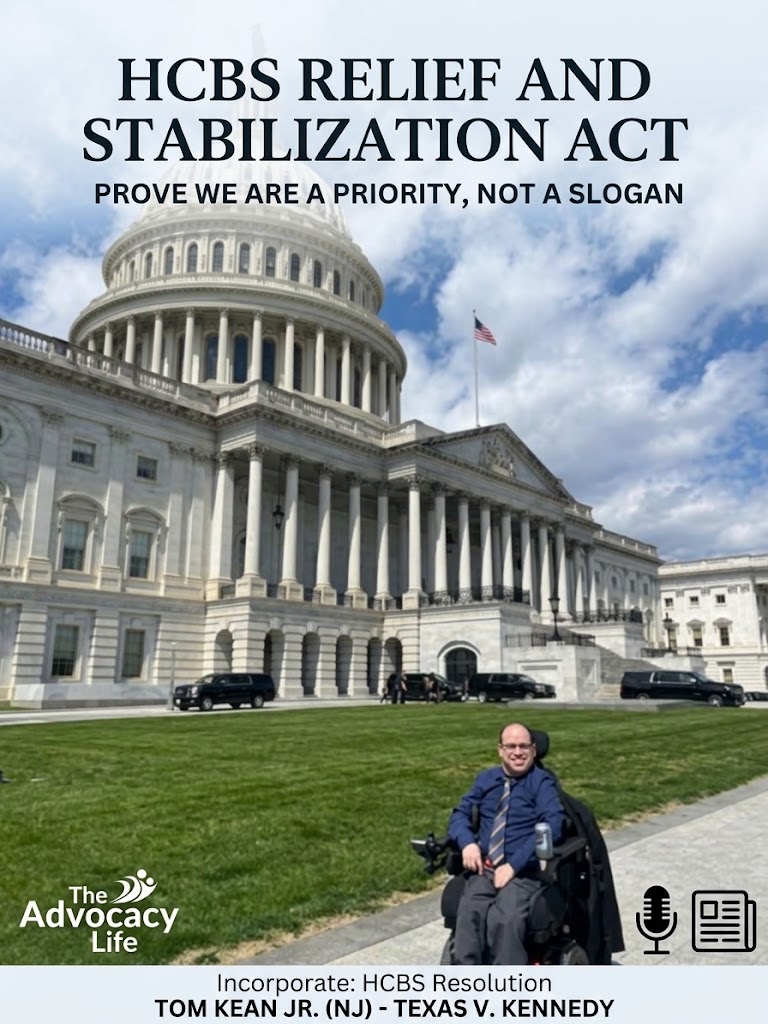
Have you heard of the HCBS Relief and Stabilization Act? Probably not.
For this week’s community blog, I want to focus on a specific piece of legislation—or rather, a resolution—that offers a big-picture view of the disability movement and examines where we truly rank in America.
For those unfamiliar, HCBS stands for Home and Community-Based Services. To oversimplify it, HCBS is a waiver care system funded by Medicaid and Medicare dollars that allows people with disabilities to stay in their homes and local neighborhoods. Regardless of age or level of need, it is always cheaper, more beneficial, and more humane for a person to thrive and function directly within their local community.
This resolution seeks to uphold and expand Home and Community-Based Services while establishing more significant safeguards for our direct support professionals (DSPs). It directly responds to legal uncertainties following filings like Texas v. Kennedy, which left critical disability care frameworks at a stalemate.
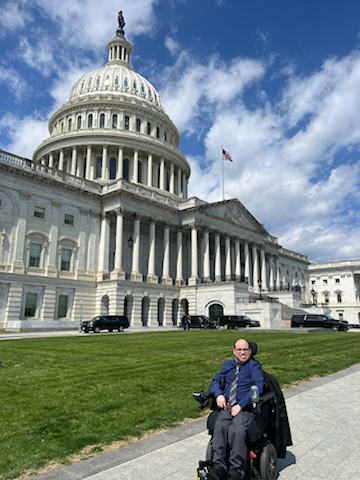
Through this resolution, members of Congress are attempting to signal to disabled voters and our population as a whole just how much we mean to them.
While this bipartisan effort is a welcome sight—notably supported by primary sponsors like New Jersey’s own Congressman Tom Kean Jr.—we cannot allow ourselves to be misled.
It is no coincidence that a resolution like this gains momentum right around election time, or that key co-sponsors are currently running for re-election. So, to politicians on both sides of the political aisle asking for our votes: prove it.
Show us that we matter. Show us that disabled Americans are a priority. Show us that we are a vital, indispensable part of this nation.
Lately, there has been a massive push in legislative halls for data centers, infrastructure developments, and commercial housing initiatives. While infrastructure is important, people come first in America. America is funded and run by the people, and people with disabilities are people first.
To Congressman Kean and all leaders stepping up: thank you for your leadership on this resolution. But to the rest of Congress: it’s time to put your priorities in order and prove that disabled America is a permanent priority, not a seasonal campaign slogan.

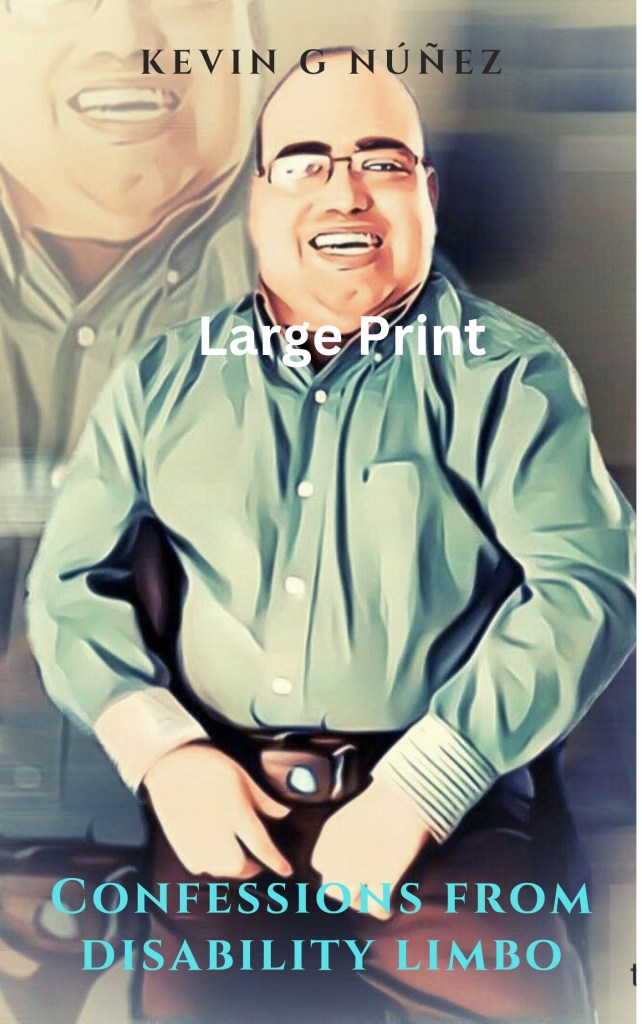
Both books are available exclusively on Amazon.
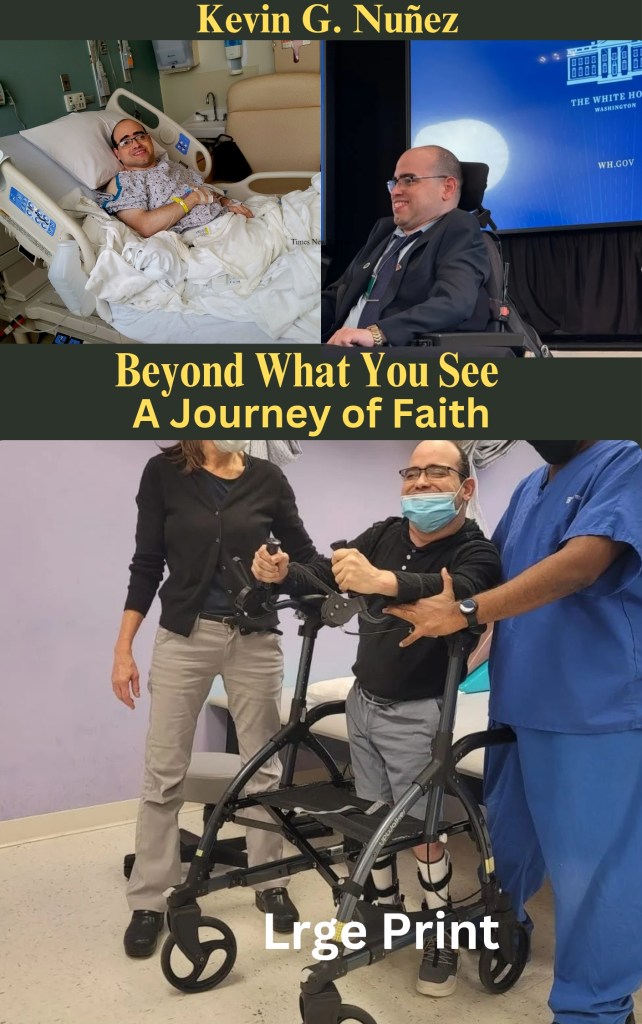

This is an exclusive weekly blog on the more fun and creative side of Kevin and his colleagues..
This is an affiliated podcast that the advocacy life often collaborates with on Check it out today available on all podcast platforms and YouTube..
Choose an amount
Or enter a custom amounts
Your contribution is appreciated.
Your contribution is appreciated.
Your contribution is appreciated.
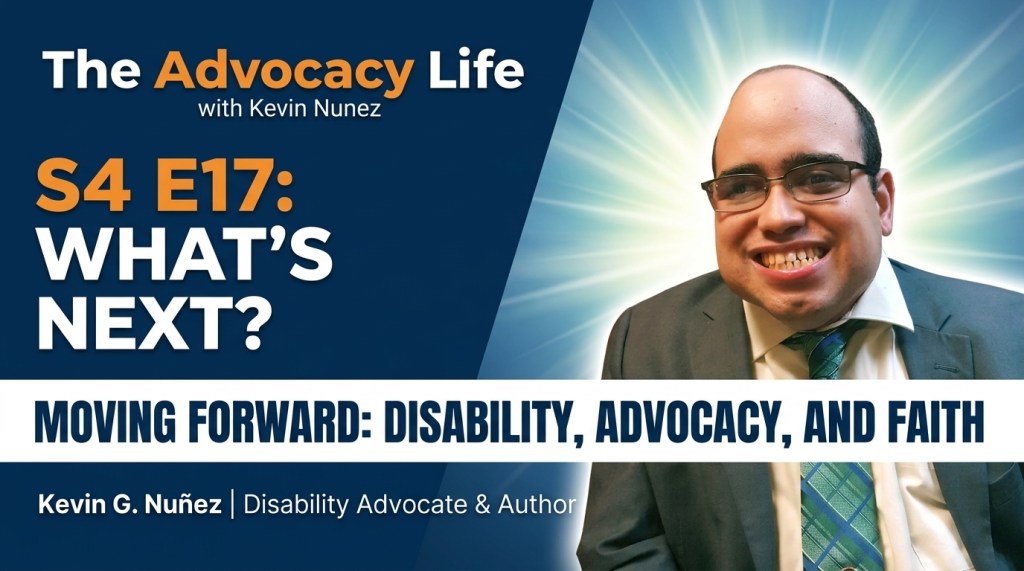
What happens when you’ve given everything you have to an advocacy role, but you feel yourself stalling?
In Season 4, Episode 17 of The Advocacy Life, host Kevin Nunez takes us through his decade-long journey as a disability advocate. He discusses the realities of working within day programs, the challenge of institutional transitions, dealing with advocacy burnout, and his transition to national board leadership with the NACDD.
Key Topics:
Both books are available exclusively on Amazon.
This is an exclusive weekly blog on the more fun and creative side of Kevin and his colleagues..
This is an affiliated podcast that the advocacy life often collaborates with on Check it out today available on all podcast platforms and YouTube..
Choose an amount
Or enter a custom amounts
Your contribution is appreciated.
Your contribution is appreciated.
Your contribution is appreciated.
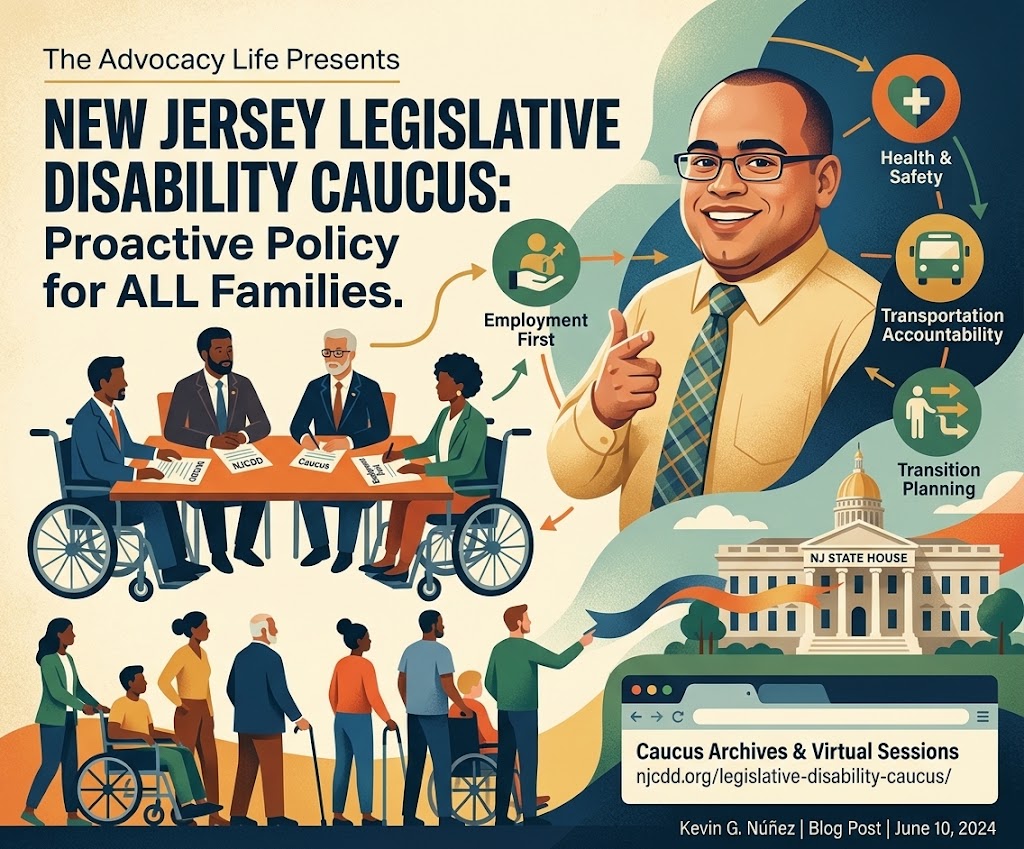
This week, I’m sharing something close to my heart. It’s an initiative I’m deeply proud of, but I can’t take full credit for it—it was truly a collective effort. I want to talk about the New Jersey Legislative Disability Caucus, which we launched in December 2020.
Think back to December 2020. The nation was locked in relentless political debate—red vs. blue, election arguments, constant noise. But while politicians argued, people with disabilities still needed services, healthcare, and baseline access to live healthy, productive lives.
I’ve often said the biggest flaw in our political system is that elected leaders don’t talk to each other. So, alongside dedicated partners—most notably the New Jersey Council on Developmental Disabilities—we built a space to fix that.
The New Jersey Legislative Disability Caucus was created as a bipartisan effort to shape proactive policy. Our goal was simple: get lawmakers at the same table before legislation is written, ensuring disability is never treated as an afterthought. The reality is that disability touches every single family at some point. When we design laws proactively with accessibility in mind, we create a country that works better for everyone.
Since we started, this state initiative has driven meaningful policy forward across New Jersey:
Because we launched during the pandemic, the Caucus started on Zoom—and that virtual format remains one of its greatest strengths. Quarterly sessions are archived online so constituents can watch their elected officials work in real time.
I encourage you to look into your own state leadership. Other states have caucuses like this too, so search for your local legislative disability caucus and get involved. Keep on rolling, keep on living!
Both books are available exclusively on Amazon.
This is an exclusive weekly blog on the more fun and creative side of Kevin and his colleagues..
This is an affiliated podcast that the advocacy life often collaborates with on Check it out today available on all podcast platforms and YouTube..
Choose an amount
Or enter a custom amounts
Your contribution is appreciated.
Your contribution is appreciated.
Your contribution is appreciated.
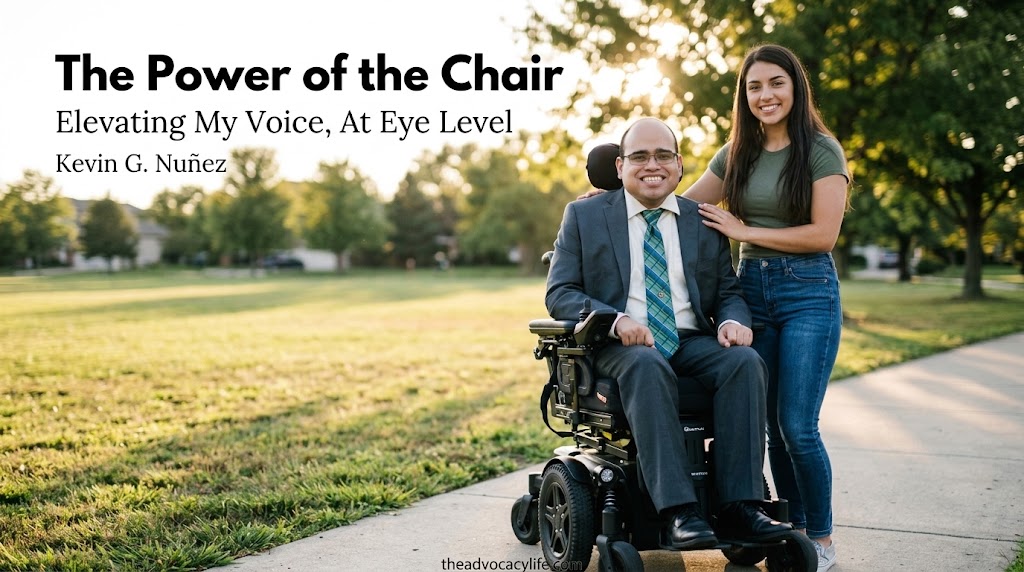
School starts after Labor Day in New Jersey, and as a kid, that always meant new clothes, new school supplies, and a brand-new wheelchair. This year was different. My new chair didn’t arrive until March.
The price tag on the chair I’m sitting in to write this? Nearly $60,000.
When you hear a number like that, it’s easy to do some dark math. Is $60,000 the price tag on my independence? Am I worth $60,000? Why does basic human mobility cost as much as a luxury sedan? That’s an algorithm for insurance companies and policymakers—a topic that usually sits above my advocacy pay grade. But here’s what I can tell you: this technology keeps me from being confined to a bed. It would feel unlivable. With it, I can roll out into the world, make my voice heard, and face life head-on.
For years, living in a wheelchair meant existing in a world built for vertical people. Everyone else’s chest or waist was where I always saw the world from. But this new chair comes with hydraulic elevation.
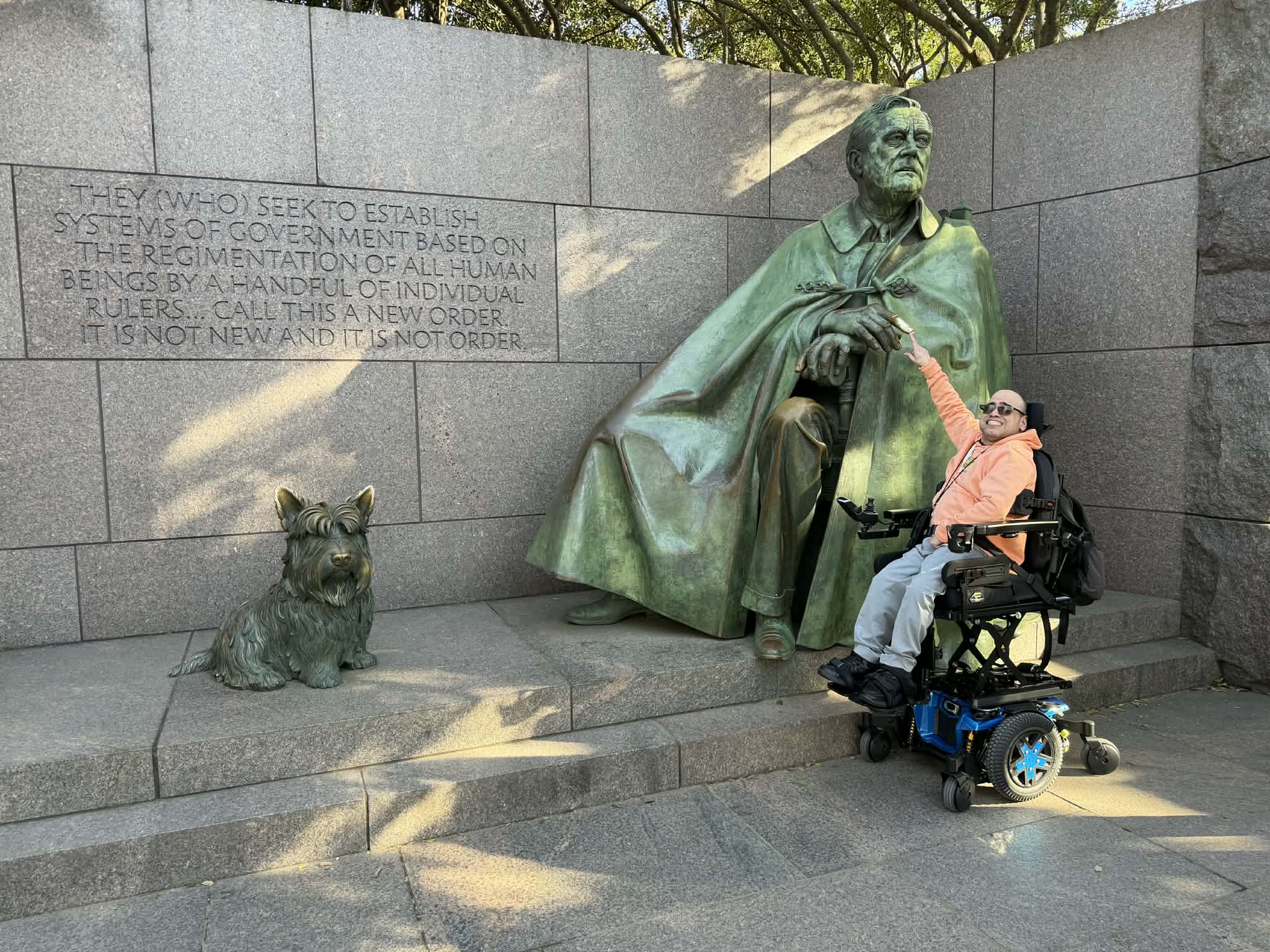
Not long ago, I was at a bar with high-top tables where everyone was standing. Typically, I’d be at a huge disadvantage, craning my neck up just to participate in the conversation. This time, I hit a button on my joystick, elevated my seat, and held a conversation at true eye level. For the first time, I wasn’t being talked down to—literally or figuratively. That single moment alone was worth the price of admission.
Since I spend at least six to eight hours a day in this chair, I’ve learned a thing or two about how the rest of the world interacts with mobility devices. For those of us who use them—and for the non-disabled allies reading this—here are a few basic ground rules:
A chair can feel restrictive at times, but so can any human body. Ultimately, it isn’t a cage; it’s a platform. It’s the tool that lets me show up to council meetings, write books, host my podcast, and advocate for our community.
Your mobility device doesn’t define your worth, but it can certainly amplify your power. Take care of your gear, demand respect for your space, and never let anyone talk down to you—no matter what height you’re sitting at. Keep on rolling. Keep on living.
Both books are available exclusively on Amazon.
This is an exclusive weekly blog on the more fun and creative side of Kevin and his colleagues..
This is an affiliated podcast that the advocacy life often collaborates with on Check it out today available on all podcast platforms and YouTube..
Choose an amount
Or enter a custom amounts
Your contribution is appreciated.
Your contribution is appreciated.
Your contribution is appreciated.
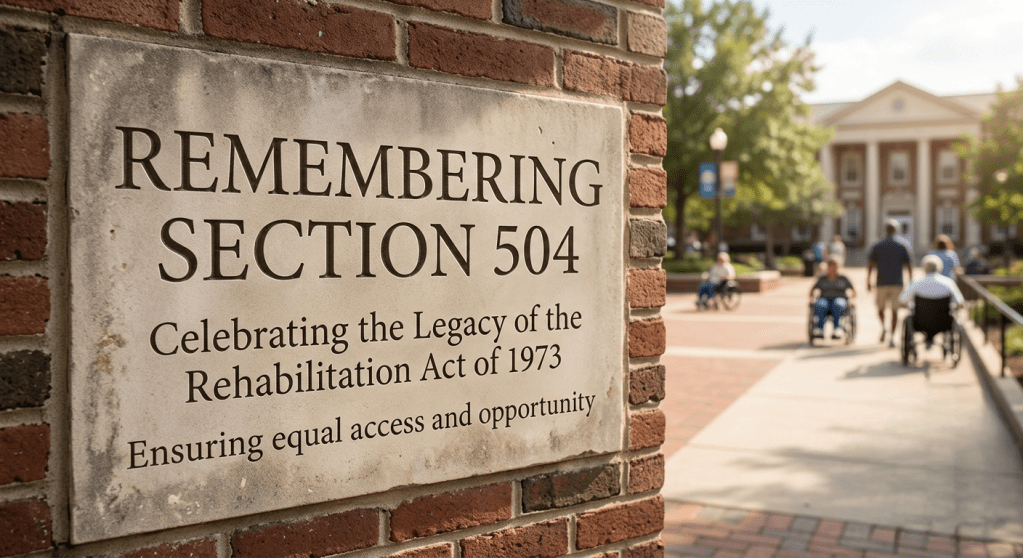
First things first: I’m back. After taking time for reflection and renewal during the Lent season, I am energized and ready to dive back into the fight. As I shared in Confessions from Disability Limbo, life is a series of “limbo” moments, but we don’t have to stay stuck. We move forward.
Today, we need to talk about the bedrock of our rights. While many know the Americans with Disabilities Act (ADA), we cannot forget its predecessor: Section 504 of the Rehabilitation Act of 1973.
Section 504 was the first federal civil rights protection for us. It essentially says that if an entity gets federal money, it cannot shut us out. It’s why we have access to schools, hospitals, and community programs today.
There is exciting news close to home. Lawmakers in Delaware are taking a massive stand by introducing legislation (like Senate Bill 198) to codify Section 504 protections directly into state law. Why does this matter? Because federal protections can sometimes feel like they’re on shifting sand. By putting these rights into state code, Delaware is ensuring that no matter what happens in Washington, disabled Delawareans have broad, enforceable protections for equal access. Perhaps our wonderful Garden State would consider such an initiative.
We have to stay vigilant. There are currently several states renewing attacks on Section 504’s “integration mandate”—the very rule that keeps us out of institutions and in our communities.
Section 504 isn’t just a “legal thing”—it’s about our dignity and our right to be “equal and contributing members of society”. Let’s keep building that stronger future together.
Stay tuned for the next podcast episode! Keep on rolling. Keep on living
It might not surprise those of you who follow my work regularly that I don’t get out into the physical world as much as I’d like. Since the pandemic in 2020, the rising cost of living and the complexities of coordinating care have made “getting out” a major operation.While 95% of my advocacy work happens virtually—which has certainly made things more accessible—I have to be honest: I miss the personal touch. There is no digital substitute for a firm handshake with a colleague, a hug from a friend, or seeing a meaningful smile in person rather than through a Zoom tile.
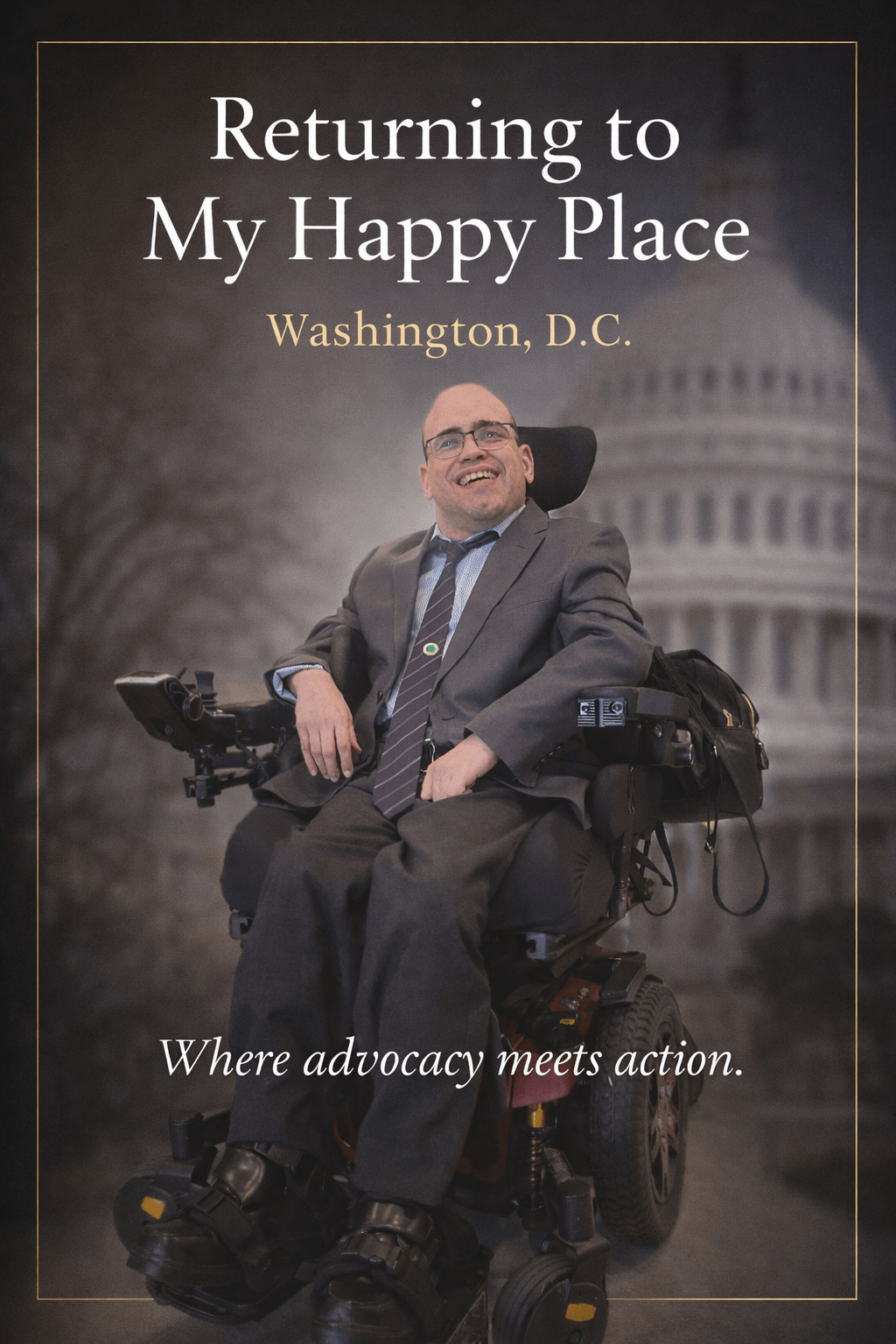
That is why I am so energized to share that at the end of March, I am heading back to my “Happy Place”: Washington, D.C.To some, D.C. is just a place where politicians work. But as a child, I never wanted to be a baseball player or an astronaut. I wanted to be in Washington. I wanted to be where the laws are made, because I knew that was where someone like me could make the most difference.
Rolling—my way through Capitol Hill is my dream job. Representing the state of New Jersey and the individuals with disabilities in our community is a privilege I do not take lightly. It humbles me every single time.Before I can get on the road, the real work happens here at home. I am currently spending my afternoons contacting legislative offices to schedule visits on behalf of the New Jersey Council on Developmental Disabilities (NJCDD).These meetings are where the “Exposure Method” meets the “Legislative Process.We
We aren’t just going there to share stories; we are going there to ensure that when policy is written, our lives are not treated as an afterthought or a “survival math” equation.Some might say these seminars are just formalities and that nothing really gets done. I disagree. In advocacy, small things add up to big things. Every phone call to a staffer, every scheduled visit, and every face-to-face conversation on the Hill is a brick in the bridge between existence and a full life.
At 39, I’ve learned that the natural rhythm of life can sometimes feel like things are being taken away. But my message to you today is this: Don’t ever stop trying. Don’t ever stop reaching. Don’t ever stop getting excited.What might feel like “nothing” to someone else is “everything” to us. I can’t wait to head to the nation’s capital to represent you, and I look forward to telling you all about the adventures when I return. Keep on rolling. Keep on living.
Both books are available exclusively on Amazon.
This is an exclusive weekly blog on the more fun and creative side of Kevin and his colleagues..
This is an affiliated podcast that the advocacy life often collaborates with on Check it out today available on all podcast platforms and YouTube..
Choose an amount
Or enter a custom amounts
Your contribution is appreciated.
Your contribution is appreciated.
Your contribution is appreciated.
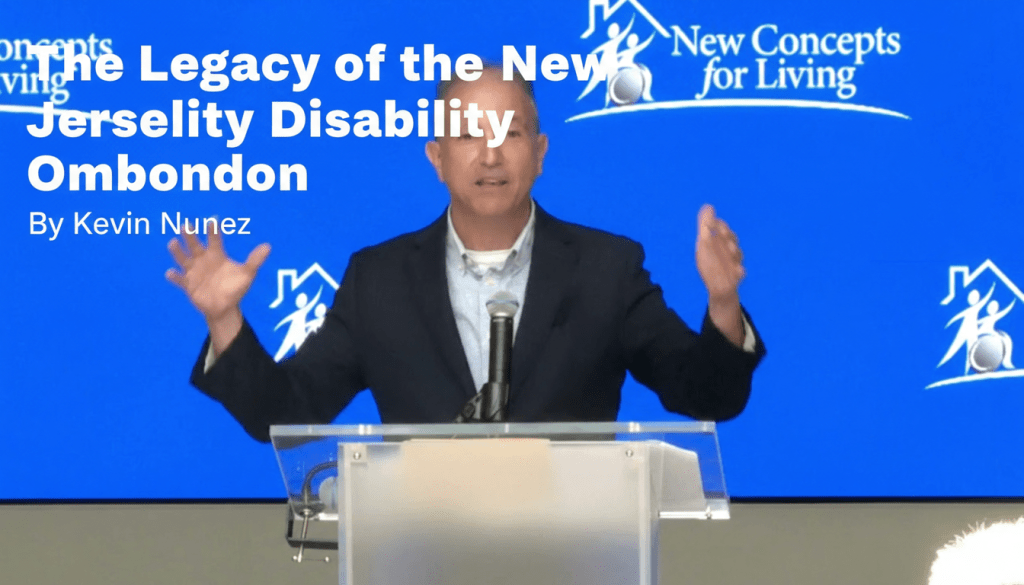
In the world of advocacy, we often talk about “the system.” We talk about it as if it’s a giant, immovable machine—something that operates at a distance from the people it’s meant to serve. But for the last several years in New Jersey, we had a leader who refused to look at the system from a distance. Instead, he got in his car and drove 148,000 miles to see the reality for himself. As Paul Aronsohn prepares to step down as the New Jersey Ombudsman for Individuals with Intellectual or Developmental Disabilities and Their Families, I want to take a moment to reflect on his legacy. I’ve had the distinct pleasure of working alongside Paul through my roles with the New Jersey Council on Developmental Disabilities (NJCDD) and Self-Advocates Becoming Empowered (SABE)
In Paul, we didn’t just have an official; we had a witness. The Courage to Speak Truth to Power When Paul was first appointed by Governor Phil Murphy in 2018, he didn’t settle into a comfortable office in Trenton. As noted in the recent Star-Ledger profile, he submitted a report early on that described New Jersey as a “tale of two systems”—one that was functioning well and one that was failing.That kind of honesty is rare in government. It ruffled feathers. It made people in power uncomfortable.
Paul noted, he wasn’t there to make people comfortable; he was there because “lives, frankly, depend upon it.”That is the heart of advocacy. It is the willingness to say the thing that needs to be said, even when the administration that appointed you isn’t happy to hear it. Paul understood that his loyalty wasn’t to a political office, but to the families who were struggling to find housing, the individuals waiting for services, and the people trapped in the “benefits trap” that I often talk about.In my work with NJCDD and SABE, I saw firsthand how Paul valued the voices of self-advocates. He didn’t just speak for us; he created space for us to speak for ourselves.
He understood that the “Exposure Method”—the idea that people need to see the raw, unfiltered reality of disability to create change—was the only way forward. Whether he was visiting families in their living rooms or standing with us in Trenton, he was always listening. He took the “heartbreaking” stories he found on the road and turned them into actionable recommendations.He helped us navigate the “limbo” between existence and a full life.He
He knew that for many in our community, the difference between the two is often a single phone call, a specific waiver, or a caregiver who actually shows up. Paul leaves behind an office that is more vital than ever. He fought for it to be independent, and he fought for it to be loud. He showed us that the government works best when it is empathetic, transparent, and—most importantly—willing to admit where it is failing.While Paul is moving on to his next chapter, the 148,000 miles he traveled have left a permanent map for the rest of us to follow. He showed us that you cannot fix a system you aren’t willing to see up close. Paul, on behalf of the entire disability community in New Jersey, thank you. Thank you for the miles, thank you for the honesty, and thank you for being a “fearless” leader who wasn’t afraid to show his own heart. You’ve taught us that while the system may be a machine, the people fighting for change must always be human.
Paul’s departure shouldn’t mean a quiet period for the Ombudsman’s office. We must continue to support this office and ensure it remains a candid, independent voice for our community. Keep on rolling. Keep on living.
Both books are available exclusively on Amazon.
This is an exclusive weekly blog on the more fun and creative side of Kevin and his colleagues..
This is an affiliated podcast that the advocacy life often collaborates with on Check it out today available on all podcast platforms and YouTube..
Choose an amount
Or enter a custom amounts
Your contribution is appreciated.
Your contribution is appreciated.
Your contribution is appreciated.
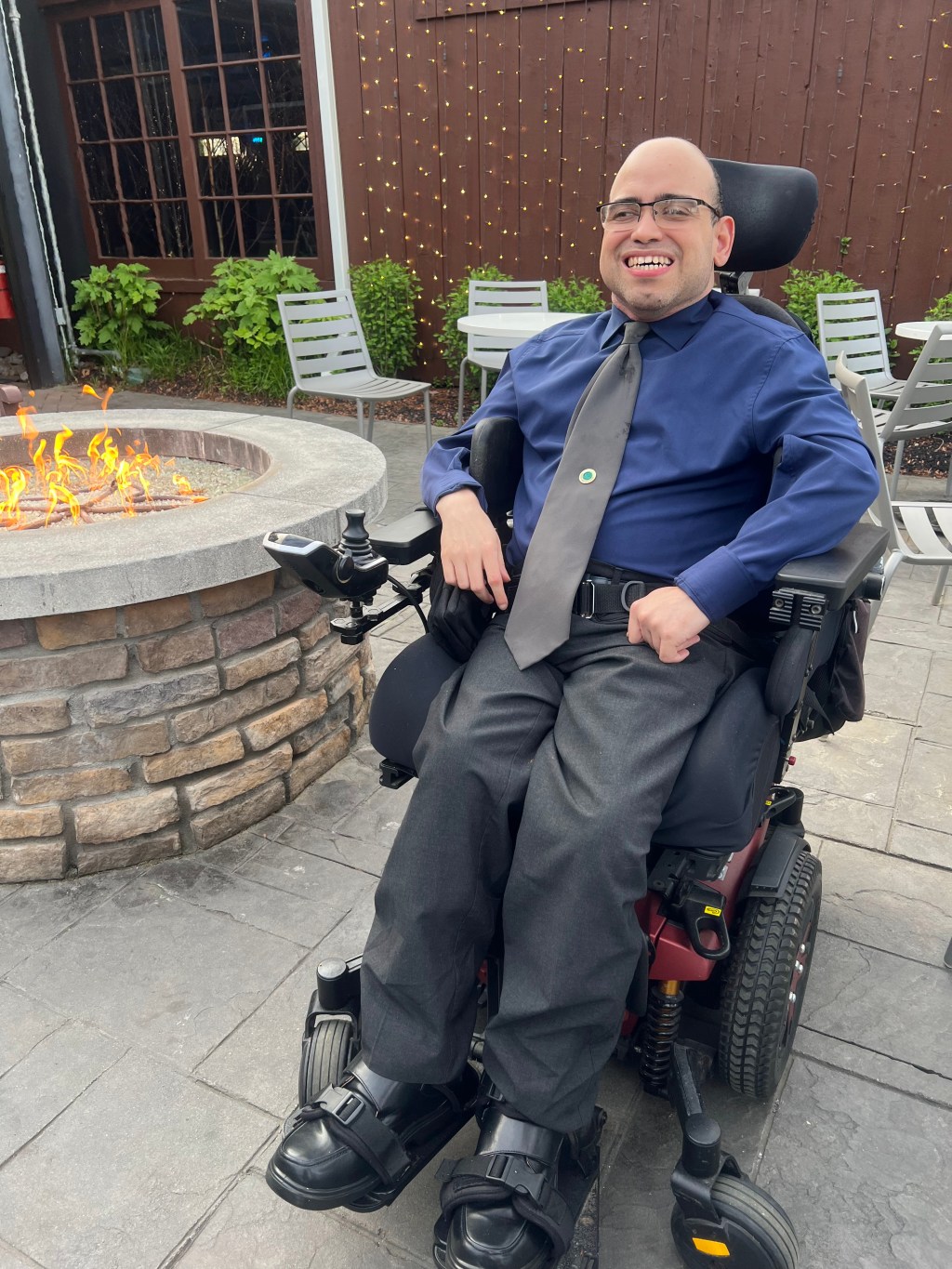
In 2006, I was given my first job offer. To be a greeter at Walmart. I filled out the application online with tons of enthusiasm. I was in the final weeks of my senior year. This would have been a respectable first employment. I was hit with a horrid dilemma. Around their 18th birthday, there is a bizarre rite of passage that takes place for my community, and that is their initial enrollment for Social Security benefits: Supplemental Security Insurance (SSI)
I rushed home to tell my dad, he was furious.
“If you’re going to risk your life, don’t be a clown in people’s circus. You can’t grow there. Sooner or later, you will lose the benefits you need, and then what are you going to do? You’re going to go there with the best of intentions, saying hi to everyone, and people are just going to walk right by you. You could work there for 20 years, and you’ll be exactly where you are now. You don’t have a safety net in this life. Everything you do must be calculated. Do something where you can make a difference and make sure it’s worth it. “
The summer before I went to college, I did an internship for my local mayor’s office. That was the right fit. Her office was right by the high school. The school bus would drop me off. I spent afternoons there twice a week. I put together all the packets for the new residents. Complete with a signed letter from the mayor. I was a good office clerk. After 2 weeks, I was featured in the town newsletter. My dad kept that for the longest time.As a parting gift, they gave me a small blue piggy bank for me to save my money.
“I’ve always believed that, given the tools and equipment they need and on a level playing field, American workers can out compete and beat the pants off anybody, anywhere.”-Rnold Reagan.
In the midst of the pandemic, I worked with Assemblywoman Carroll Murphy to improve New Jersey’s Workability program. It required an update. It is not perfect by any means, but it’s a needed step in the right direction. While everyone was watching Netflix and gaining weight during the shutdown. I worked with the NJCDD to launch the disability legislative caucus across the Garden State. It is completely nonpartisan with leadership from both sides of the aisle. The goal is to foster conversations with legislators before bills are passed into law.
Both books are available exclusively on Amazon.
This is an exclusive weekly blog on the more fun and creative side of Kevin and his colleagues..
This is an affiliated podcast that the advocacy life often collaborates with on Check it out today available on all podcast platforms and YouTube..
Choose an amount
Or enter a custom amounts
Your contribution is appreciated.
Your contribution is appreciated.
Your contribution is appreciated.
Become a paid subscriber to get access to the rest of this post and other exclusive content.

