“Dude, your car is awesome!” “This pizza is awful, I’m never ordering from here again!”
If those sentences sound normal to you, think again. The words “awesome” and “awful” both come from the same root—meaning something overwhelming or filled with awe. Yet one now means something great, and the other, something terrible.
Words change over time. But sometimes, we don’t realize how much meaning they still carry. Take “idiot” or “insane.” These words used to be medical terms used to describe people with mental disabilities. Even the New Jersey Constitution once said that “no idiot or insane person” could vote. Thankfully, that language was removed in the early 2000s. Still, words like these show how language can be harmful, even if we don’t mean it to be.I want to invite you to explore how the words we use can shape how we treat each other—especially people with disabilities.
This might sound like just a matter of “political correctness” or semantics, but it’s more than that. Think about how some slurs are still used jokingly among friends but would be completely unacceptable from someone outside that group. Language isn’t just about words—it’s about context, history, and tone.
Let me give you a real example. One night, I was out with friends. During our conversation, someone casually used the R-word. I cringed inside. No one meant any harm, but it still hit me hard. I didn’t want to turn the night into a lesson or make a scene. So, when the evening ended, I quietly pulled that person aside and explained why the word was offensive. They apologized, and that was it. No drama, no lecture—just an honest moment of learning.
Being an advocate doesn’t mean I can’t have fun. It means choosing how and when to speak up, and doing it in a way that encourages understanding—not shame.
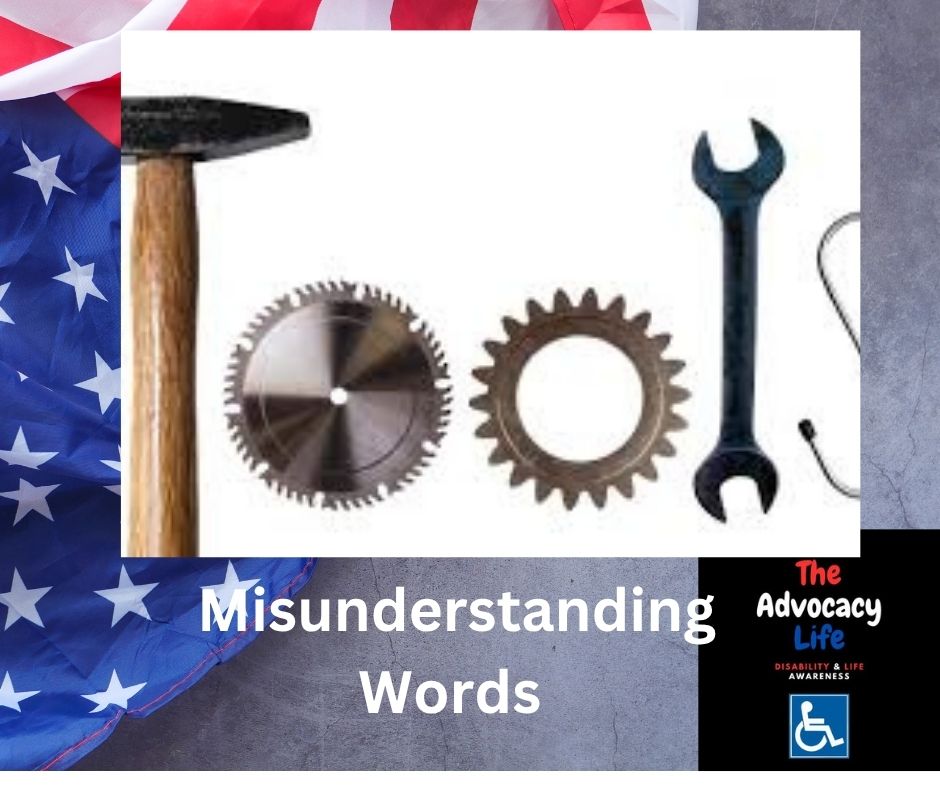
Today, we talk a lot about acceptance, but we also need to practice tolerance. People will make mistakes. They’ll say the wrong thing. That doesn’t mean they deserve to be “canceled” or shut out forever. Words are tools. They can hurt, but they can also heal, build, and inspire change.
A few years ago, comedian Kevin Hart made a joke about parenting that upset many people. Years later, it cost him a chance to host the Oscars. If we’re going to judge everyone by their past mistakes, we’ll never grow or forgive. We need to teach, not just punish.
In the end, language is like comedy—it’s all about delivery. It’s not just what you say, but how you say it. Tone matters. Audience matters. Communication isn’t one-size-fits-all. We all make mistakes, but we can learn and do better.
Thank you for reading. I hope this makes you think more deeply about the words you use—and how we can all become more mindful of the messages we send.

The Podcast
Published Books
Subscribe to Letter from Limbo
Read more of this content when you subscribe today.
Make a one-time donation
Make a monthly donation
Make a yearly donation
Choose an amount
Or enter a custom amount
Your contribution is appreciated.
Your contribution is appreciated.
Your contribution is appreciated.
DonateDonate monthlyDonate yearly The Advocacy Life Podcast & Blog
Leave a comment