
Subscribe to continue reading
Become a paid subscriber to get access to the rest of this post and other exclusive content.
Become a paid subscriber to get access to the rest of this post and other exclusive content.
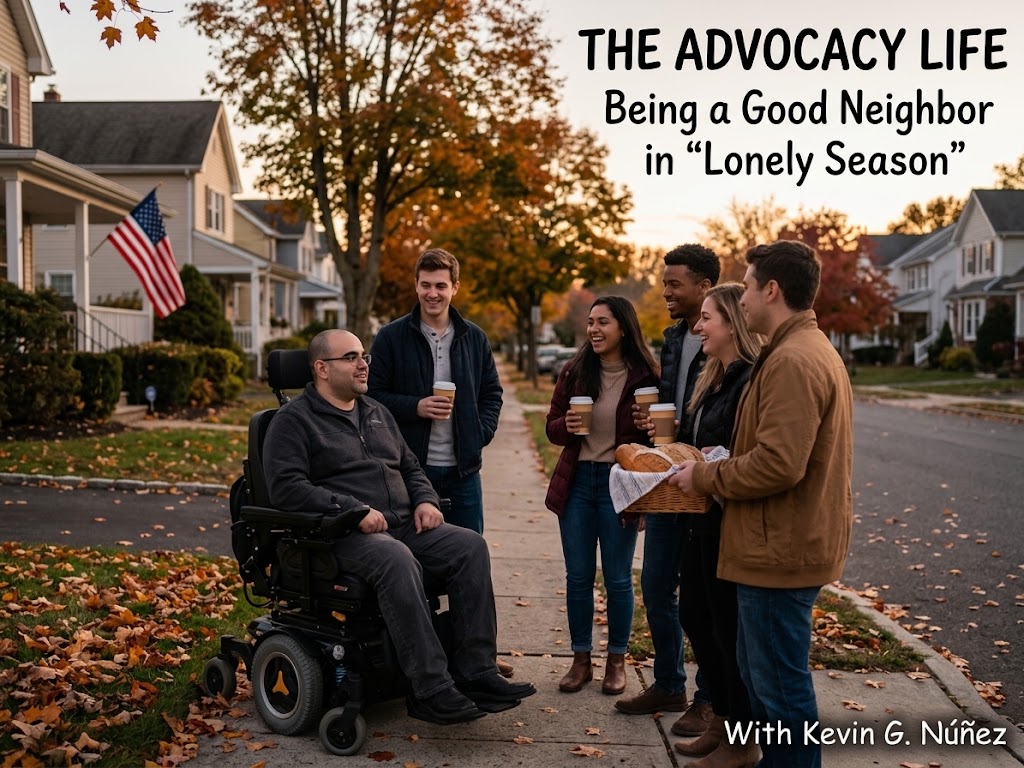
As the crisp autumn air settles in and fall officially arrives, pumpkin spice lattes are everywhere, and leaves slowly change colors. On a chilly evening, as I enjoyed my first bowl of homemade chicken soup and zipped up my jacket, a quiet, sobering reality struck me. For many people, this time of year isn’t just about cozy evenings or family gatherings—it marks the beginning of what I call “Lonely Season.”
While the world gets ready for Thanksgiving, Christmas, and New Year’s, many individuals with disabilities—particularly those living in local group homes—are left watching from the sidelines. There is plenty of liberty out there, but far too often, nowhere to go. Many do not have family nearby, leading to a quiet holiday season without invitations, without someone to share a meal with, or without a midnight kiss on New Year’s Eve.
In America, we pride ourselves on being community-minded. Yet, an entire class of people right down the street remains largely invisible—not out of malice or pity, but out of simple inconvenience. Group home facilities sit right in our residential neighborhoods, surrounded by houses, but few neighbors ever drop by to build genuine relationships with the residents inside.
What does it truly mean to be a good neighbor?
Disabilities do not exclude someone from being a friend, a peer, or a neighbor. As the season turns cold, let’s make sure our communities stay warm. Be a neighbor. Be a friend.
Keep on rolling, keep on living.
See you next week.

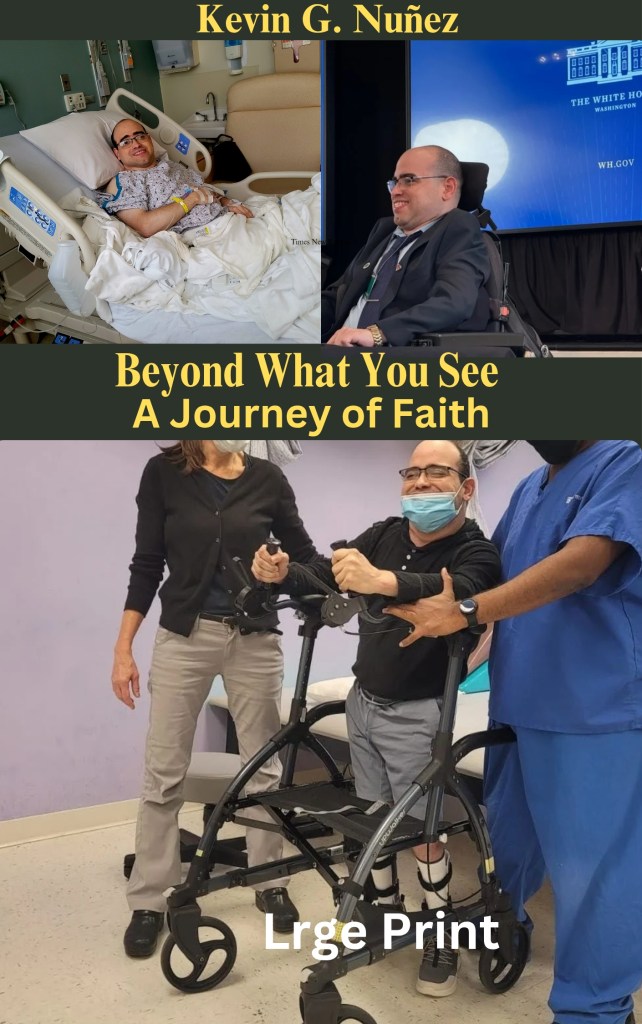
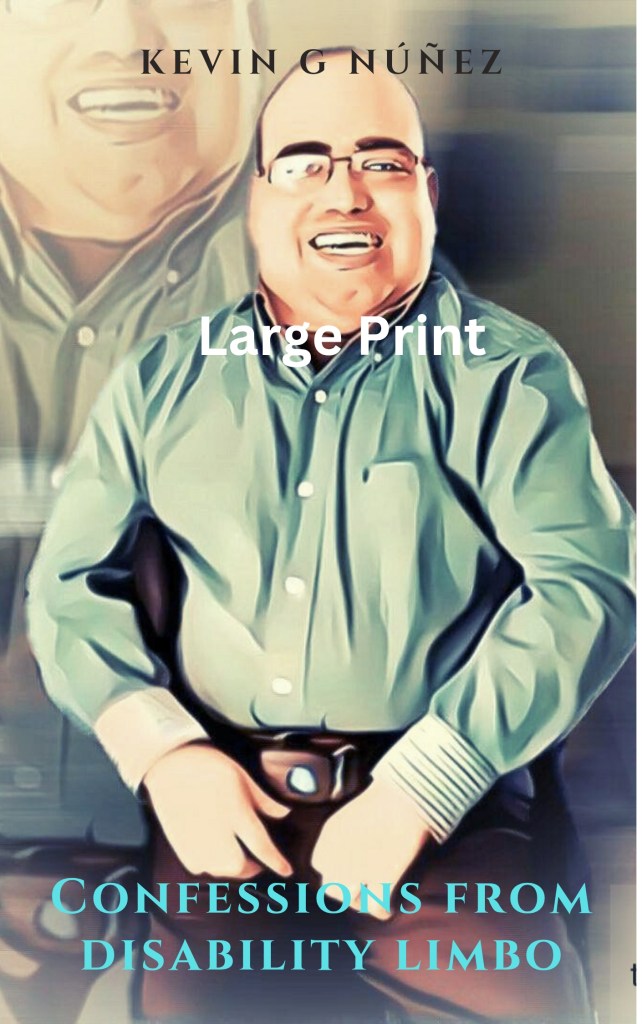
Both books are available exclusively on Amazon.
This is an exclusive weekly blog on the more fun and creative side of Kevin and his colleagues..
This is an affiliated podcast that the advocacy life often collaborates with on Check it out today available on all podcast platforms and YouTube..
Choose an amount
Or enter a custom amounts
Your contribution is appreciated.
Your contribution is appreciated.
Your contribution is appreciated.

I usually don’t post a community blog on Fridays. In fact, I have a personal policy of limiting the number of blogs I publish each week. But today is a very special day for all the wrong reasons. Today marks the 25th anniversary of the September 11th attacks on the World Trade Center and on America as a whole.
To me, September 11th has always been a deeply somber day. I often feel, sadly, that America has forgotten the tragic realities and ultimate sacrifices made that morning—the people who were forced to leap from burning towers to find a merciful end, the individuals who burned alive, and those who couldn’t even make a final phone call to loved ones as their hijacked planes carried them toward tragedy.
It is striking how, 25 years later, a day that once united all Americans in shared grief has given way to a country more divided than ever. We have built a quasi-psychological civil war. It feels as if every time we meet someone new, we run them through an ideological checklist. If they disagree with us on any single political point, we automatically brand them as the enemy.
On September 11, 2001, it didn’t matter what color you were on the outside you wore on the outside. The blood we shed was all red on the inside. In the hours and days following the attacks, the first thing visible across the nation was a line of citizens standing together, eager to donate blood and volunteer their time to aid the injured and support their country. On that day, there were no red states or blue states—there was simply the United States.
Today, we have degraded into a culture of constant complaining. Instead of seeking genuine solutions to our collective problems, political factions find it far easier to point fingers and blame specific individuals or political parties.
We are better than this, America. We should not require a catastrophic national tragedy to remind us of how great our country is, can be, and will be in the future. We must remain focused on what it truly means to be Americans, to hold genuine pride in our nation, and to look after our fellow citizens.
Don’t give up. Don’t forget. Don’t let evil win.
Don’t give up. Don’t forget. Don’t let evil win. God bless our troops and God bless America.
Both books are available exclusively on Amazon.
This is an exclusive weekly blog on the more fun and creative side of Kevin and his colleagues..
This is an affiliated podcast that the advocacy life often collaborates with on Check it out today available on all podcast platforms and YouTube..
Choose an amount
Or enter a custom amounts
Your contribution is appreciated.
Your contribution is appreciated.
Your contribution is appreciated.
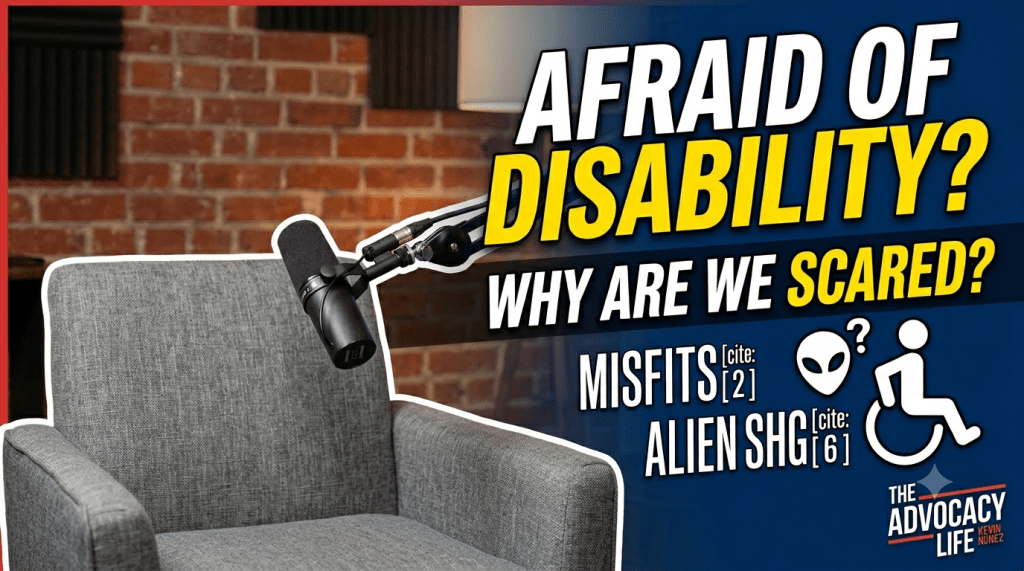
Description:Why does the concept of disability feel so “alien” in American culture? In this episode of The Advocacy Life, we pull back the curtain on the societal fear of disability, the prevalence of ableism in media, and why we need to break out of our comfort zones to build a more inclusive society.From the “inspiration porn” seen in movies like Forrest Gump to the historical landmark moments like the Capitol Crawl that aren’t in your history books—we cover it all.
Both books are available exclusively on Amazon.
This is an exclusive weekly blog on the more fun and creative side of Kevin and his colleagues..
This is an affiliated podcast that the advocacy life often collaborates with on Check it out today available on all podcast platforms and YouTube..
Choose an amount
Or enter a custom amounts
Your contribution is appreciated.
Your contribution is appreciated.
Your contribution is appreciated.
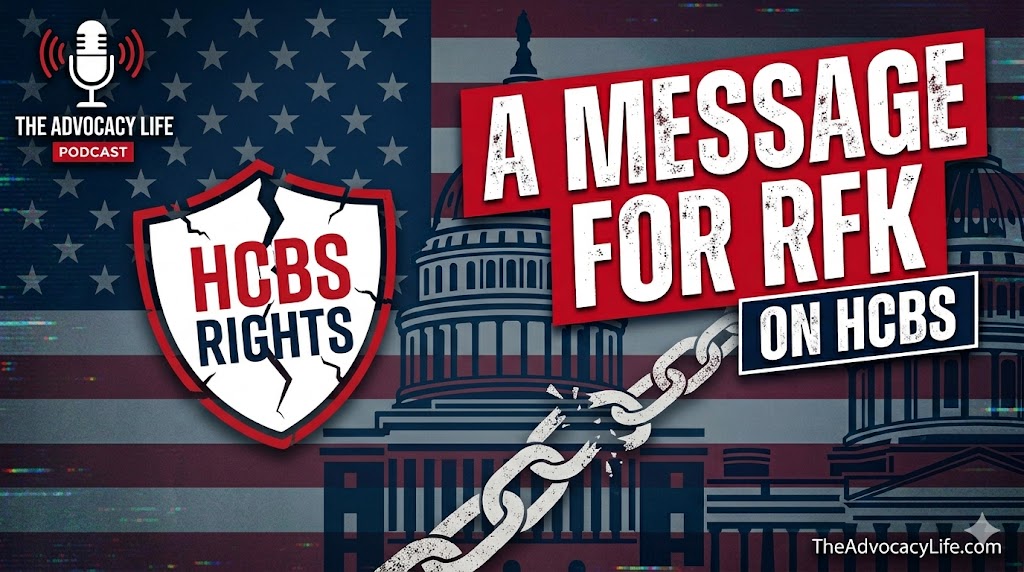
In this powerful episode of The Advocacy Life, Kevin G. Nunez addresses recent alarming statements made by Secretary of Health and Human Services, Robert F. Kennedy Jr., regarding Home and Community-Based Services (HCBS). Kevin breaks down why the suggestion to eliminate pay for family caregivers is not only dangerous but a step toward “building smaller prisons” instead of true community inclusion.
In this episode, we discuss:
“Don’t lock the doors from the inside. Everyone deserves the chance to walk through.
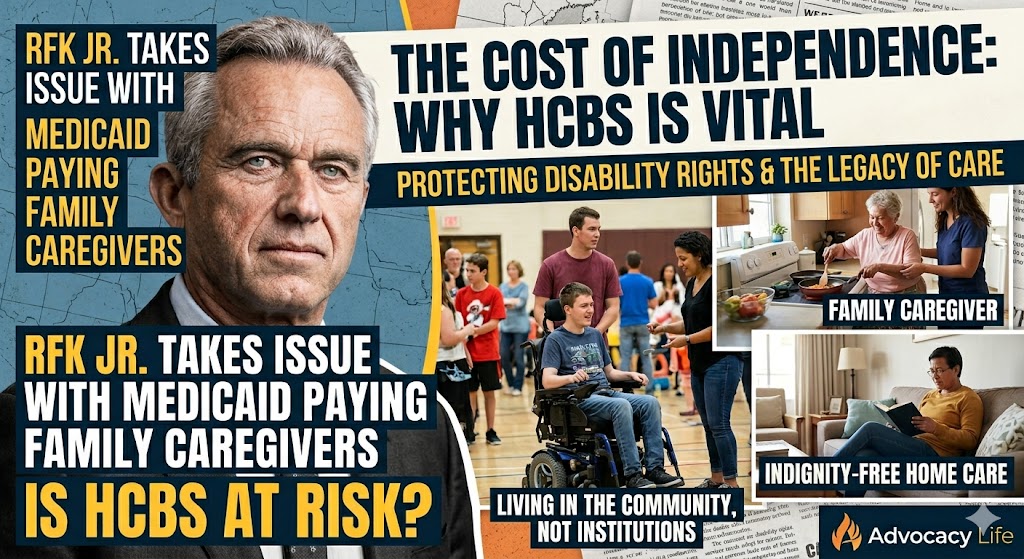
History has a strange way of looping back on itself. In 1965, Robert Kennedy Sr. visited the Willowbrook State School and called it a “snake pit.” He saw children living in filth and rags, and his outrage helped spark a revolution. It led us away from the dark halls of institutions and toward the light of the community.Fast forward to last week. His son, HHS Secretary Robert F. Kennedy Jr., stood before Congress and took issue with Medicaid paying family caregivers.
He called these programs “rife with fraud,” suggesting that family members are getting paid for things they “used to do for free,” like driving a loved one to the doctor or picking up groceries.
As an advocate who has spent my life navigating the space between policy and reality, I have one thing to say: Independence isn’t free, and it isn’t fraud.Home and Community-Based Services (HCBS) are not a luxury. They are the vital lifeline that allows 8.4 million Americans with disabilities to live in their own homes rather than the institutions the senior Kennedy once decried.
When Secretary Kennedy suggests that families should just do this work “for free,” he is ignoring the economic reality of 2026. Providing care is a full-time job. When a family member becomes a caregiver, they often have to leave the traditional workforce.Being
Being paid through a Medicaid waiver isn’t a “get rich quick” scheme; it’s what keeps that family out of poverty.We are in the middle of a massive shortage of direct care workers. Often, a family member is the only person available to do the job.If these family-led supports are cut, where do people go? Back to nursing homes and institutions.Those facilities cost taxpayers far more than HCBS and, as history has shown us, they often rob us of our dignity.
In my book, Beyond What You See, I wrote that “Life begins beyond what you see.” What the Secretary sees as “balancing a checkbook” is actually the maintenance of a human life.Disability doesn’t have a political party. It doesn’t care about your skin color. As I’ve said before, disability is America. We are an example of hope and endurance, but that endurance is tested when the people in charge of our healthcare look at our support systems as “waste, fraud, and abuse” rather than “justice, dignity, and freedom.The
The current administration and the disability community cannot be enemies. We must be allies. To Secretary Kennedy, I say this: Do not let the legacy of Willowbrook be forgotten. Do not dismantle the very systems that allow us to reach for the stars—not because it’s easy, but because it’s hard, and because it is the right thing to do.America is made great when we learn from our past. Let’s not repeat the mistake of undervaluing the lives of the disabled.
sources:
https://abc7ny.com/post/geraldo-rivera-reflects-willowbrook-investigation-54-years-later/18943658/
Both books are available exclusively on Amazon.
This is an exclusive weekly blog on the more fun and creative side of Kevin and his colleagues..
This is an affiliated podcast that the advocacy life often collaborates with on Check it out today available on all podcast platforms and YouTube..
Choose an amount
Or enter a custom amounts
Your contribution is appreciated.
Your contribution is appreciated.
Your contribution is appreciated.
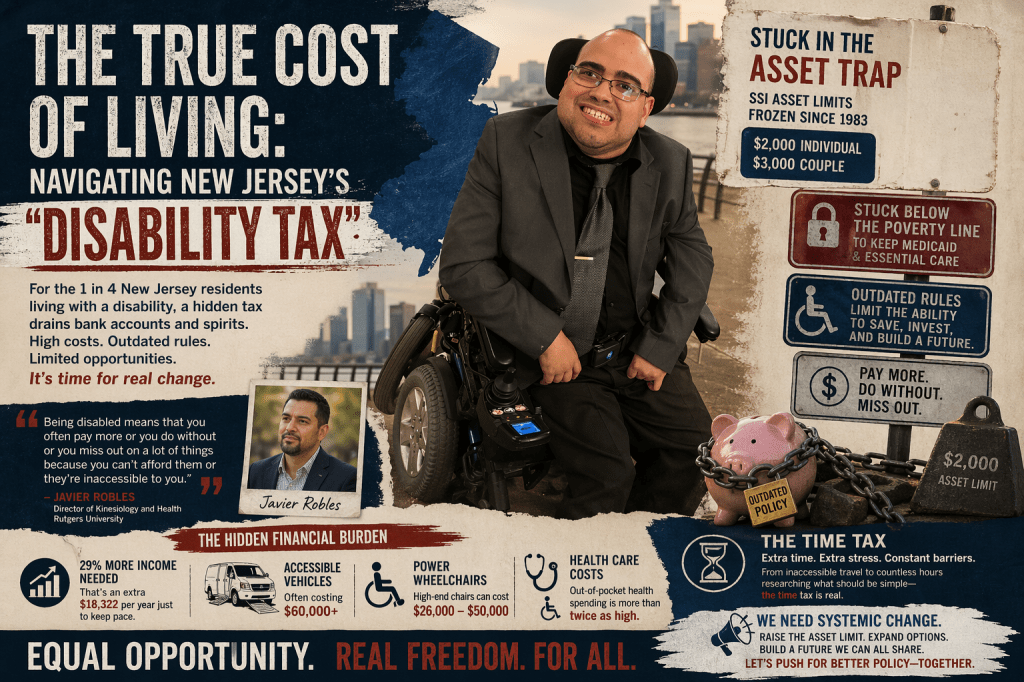
For many, the American Dream is built on a foundation of opportunity and the freedom to grow. But for the one in four New Jersey residents living with a disability, that dream is often deferred by a “hidden tax” that drains both bank accounts and spirits. I am a 38-year-old advocate with a developmental disability, and while I love this country and its potential, I often feel like I am financially suffocating.
Living with a disability means ordinary tasks—like grocery shopping or attending a doctor’s appointment—come with added economic burdens. Research shows that U.S. households with a disabled member need approximately 29% more income to maintain the same standard of living as those without. At a median income, that’s an extra $18,322 per year just to keep pace.
The most frustrating barrier to financial independence isn’t just the high cost of living; it’s the outdated policy that keeps us in poverty. To maintain essential Medicaid-funded personal care, many must stay below the poverty line.
For decades, the Supplemental Security Income (SSI) asset limits have been frozen. Since 1983, an individual is capped at $2,000 in their bank account, while a married couple is limited to $3,000. This “marriage penalty” and the inability to save for the future means we are effectively barred from the wealth-building tools—like stocks or significant savings—that other Americans rely on.
Beyond the dollars and cents, there is a heavy “time tax.” My colleague Javier Robles, Director of Kinesiology and Health at Rutgers University, highlights how this shapes every decision.
Whether it’s paying more for a guaranteed accessible hotel or the hours spent researching destinations only to find “accessible” promises aren’t met, the stress is constant. Javier famously recalled a trip to Italy where he had to be carried onto a boat by firefighters because the promised accessibility was non-existent.
As Javier puts it:
“Being disabled means that you often pay more or you do without or you miss out on a lot of things because you can’t afford them or they’re inaccessible to you.”
We need to move beyond complex workarounds like ABLE accounts or Special Needs Trusts, which can be restrictive. True advocacy means fighting for systemic change—like raising the individual asset limit to $10,000.
New Jersey has taken steps with updated Workability programs, but implementation remains slow. It is time to ensure that all Americans, regardless of ability, have the freedom to contribute to the economy and build a secure future. Without financial freedom, the “Land of Opportunity” remains out of reach for millions. Keep on rolling. Keep on Living.
Both books are available exclusively on Amazon.
This is an exclusive weekly blog on the more fun and creative side of Kevin and his colleagues..
This is an affiliated podcast that the advocacy life often collaborates with on Check it out today available on all podcast platforms and YouTube..
Choose an amount
Or enter a custom amounts
Your contribution is appreciated.
Your contribution is appreciated.
Your contribution is appreciated.
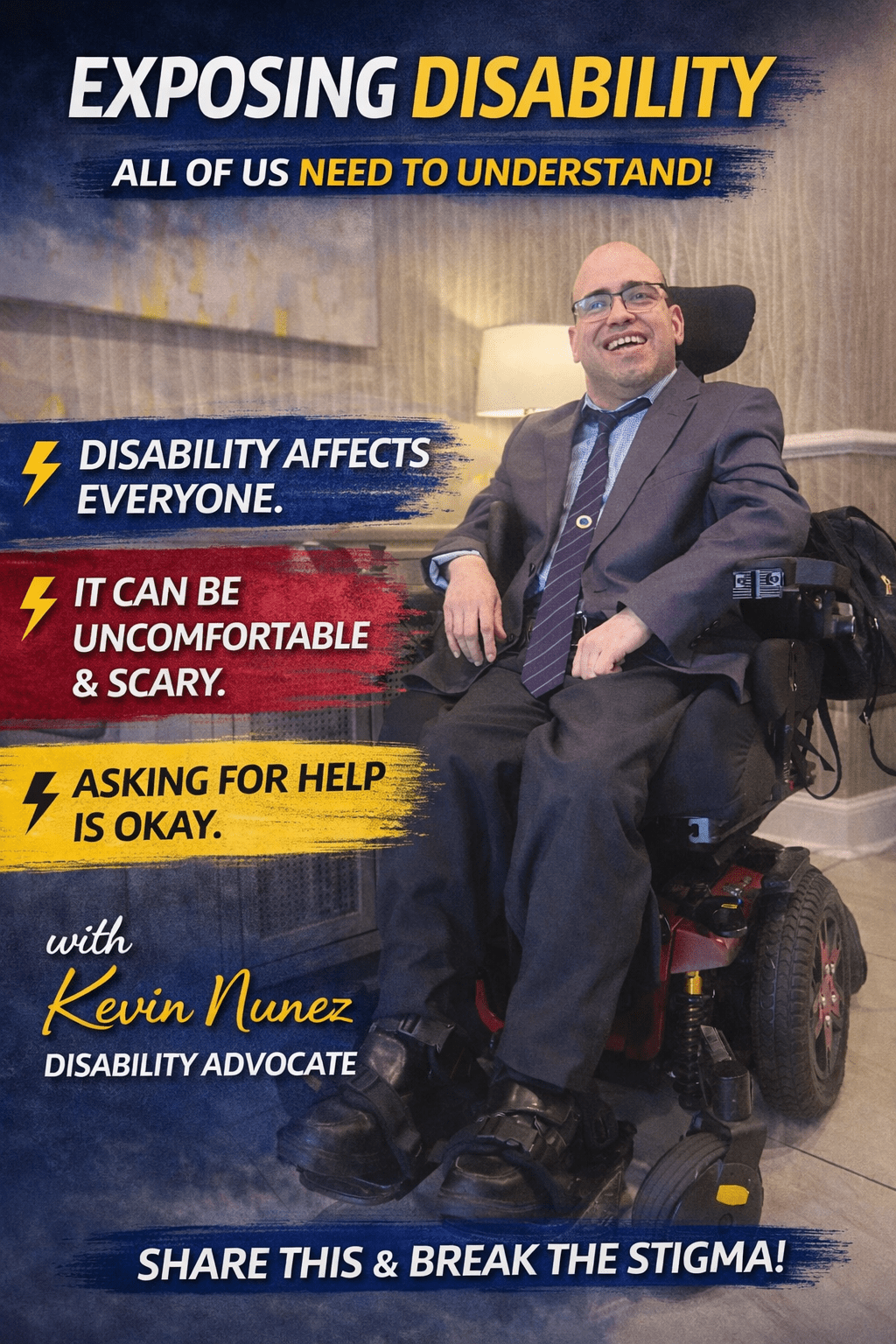
Description:What exactly makes people uncomfortable about disability? Often, it’s because society only sees the “cute and cuddly” version of our lives. In this episode of The Advocacy Life Podcast, we’re breaking that mold.I’m talking about the power of full exposure. To bridge the gap in understanding, people need to see the raw, unfiltered reality of disability—not just the triumphs, but the struggles, the financial hurdles, and the everyday resilience required to navigate a world that wasn’t built for us.In this episode, we discuss:New Year’s Resolutions: I’m sharing an update on my goal to finish my next book draft by March and have it out by December 2026! How are your resolutions holding up in mid-February?The Exposure Method: Why showing the “uncomfortable” parts of disability is the only way to create true empathy and change.Existence vs. A Full Life: There is a massive difference between just “experiencing” life and actually living it. We explore how to find value in every moment.The Price of Advocacy: Why being a leader means being willing to be the first one to step into the fire.Universal Truths: Disability and death are the only two certainties in life. It’s time we stop hiding from them and start talking about them.We are all part of the same human story. Let’s stop wasting time and start living with purpose.📍
TIMESTAMPS:0:00 – Introduction: What makes people uncomfortable?1:50 – New Year’s Resolution Update (Book 2026!)4:10 – Why we need to “Expose” Disability9:30 – Moving past the “After-School Special” version of our lives14:00 – The burden and beauty of being an Advocate19:45 – Living a Full Life vs. Just Existing24:00 – Final thoughts: Don’t waste your life.
Show Notes None for this episode
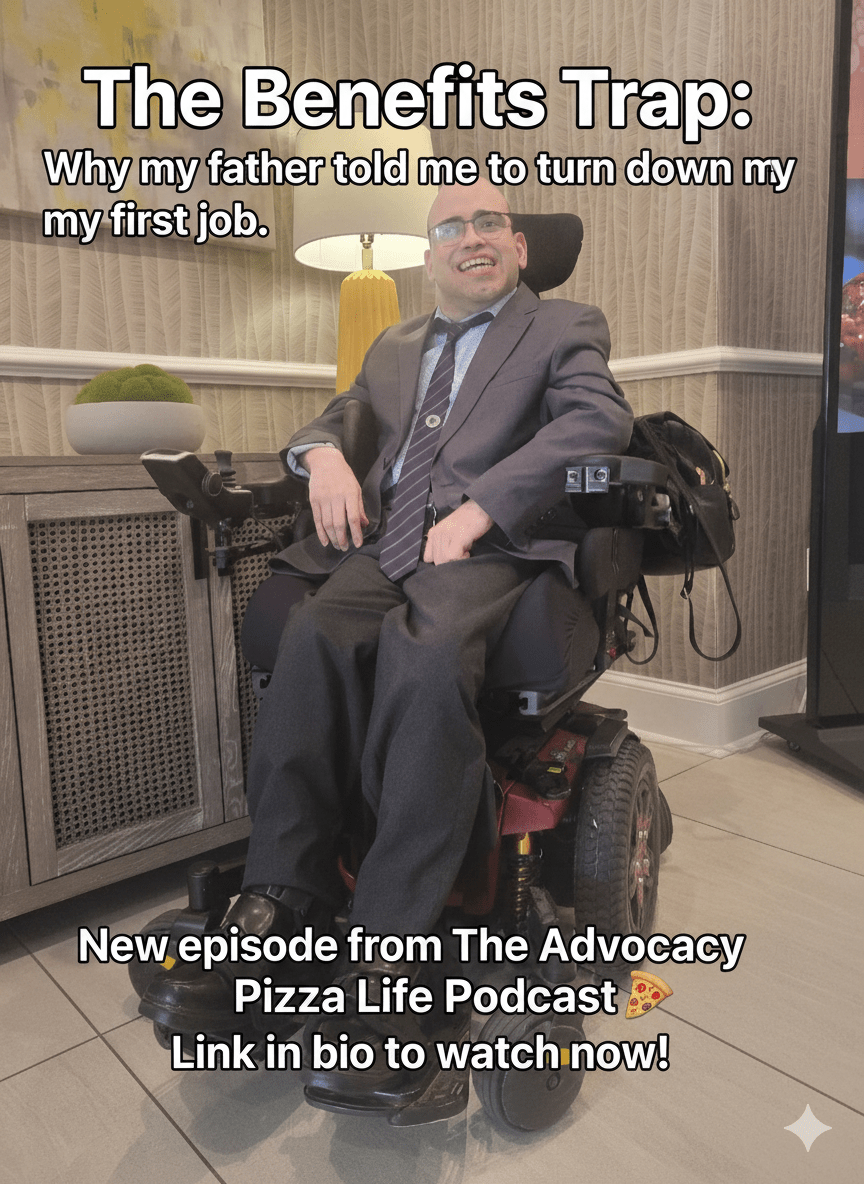
Become a paid subscriber to get access to the rest of this post and other exclusive content.
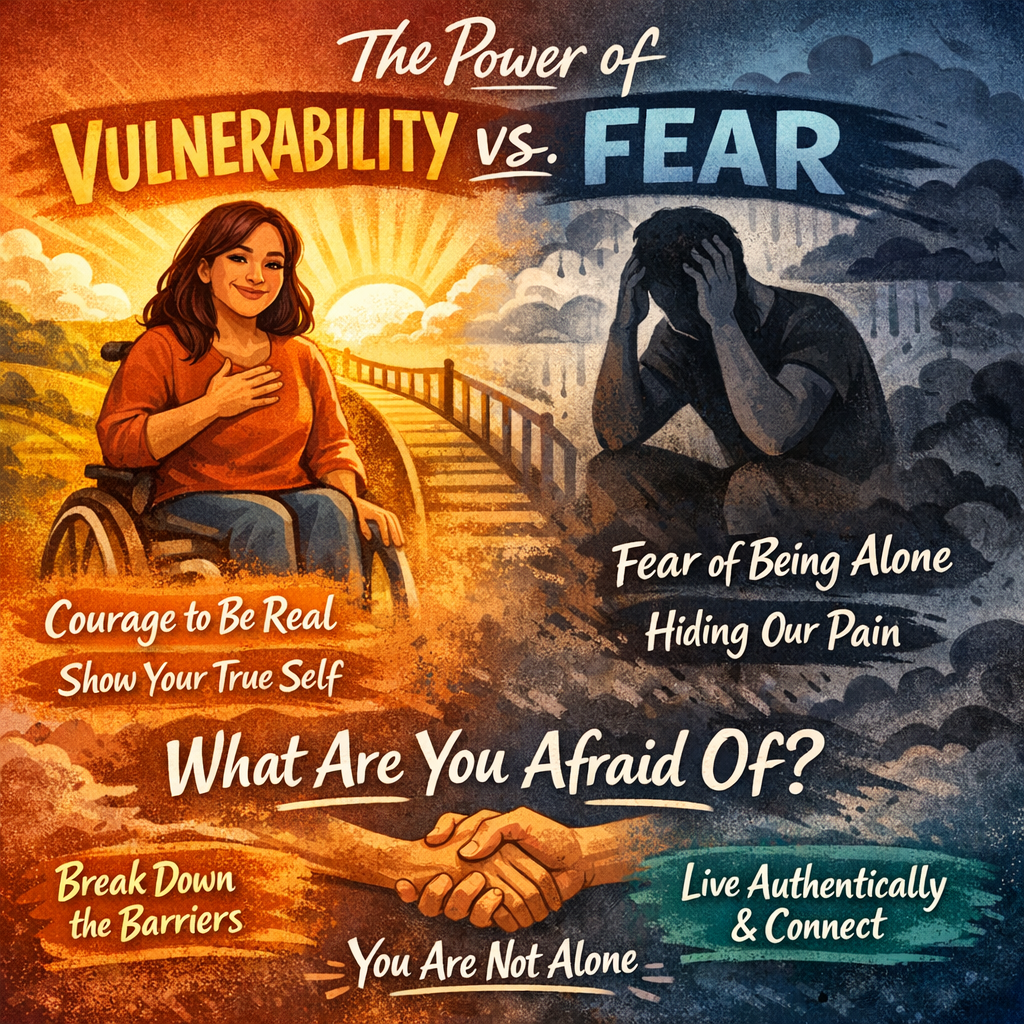
Apologies that this entire post is in one paragraph. There was some sort of glitch to like fix it.
What are you afraid of?”It’s a question that feels like it belongs on a high-stakes reality show, but for those of us navigating the advocacy world and the disability community, it’s a question we live with every single day. We often feel pressured to be the “fearless” leaders, the ones who always have the answers and never let the weight of our diagnosis or our circumstances pull us down.True strength isn’t about the absence of fear; it’s about the courage to be vulnerable despite it.I found myself watching the new season of Fear Factor. Watching people face physical challenges made me reflect on my own life and the things society expects me to be afraid of. People look at my life and assume I must be terrified of losing my job, my caregivers, or even my future.The truth? I’m not afraid of those things. I’ve been living on a budget since I was 18. I’ve had my fair share of bad caregivers and I know how to direct my own care. I’m not afraid of a world that’s afraid of me. I’ve spent my whole life adapting, and I know that if I get a chance at a real paid job, I’ll be the employee of the month in thirty days.I am no longer afraid of my diagnosis as I was when I was a kid. I’m no longer afraid to ask for help from my best friend, Jesus Christ.So, if I’m not afraid of the “big” things society points to, what am I afraid of?If I’m being perfectly honest—and completely vulnerable—I’m deathly afraid of dying alone. As I approach 40 in a few years, I think about the partnerships and relationships we all long for.In our world, people often focus so much on surface values and physical appearance that they never look beyond to the person underneath. Relationships often stall because society doesn’t always see the person with a disability as a partner to build a life with. I’m not afraid of trying to have a relationship; I’m afraid I won’t get the chance.Why Vulnerability is Your SuperpowerThis is the part of the “limbo” that we rarely discuss in public. We talk about policy, we talk about resources, and we talk about legislation. But we rarely talk about the human desire for connection and the fear of being left behind.I share this because I believe that showing our vulnerability is where our true strength lies. When we hide who we are or what our needs are—like I used to hide my school tray in the back of the class so other kids wouldn’t see it—we are living in fear. When we step out and say, “This is who I am, this is what I need, and this is what I hope for,” we reclaim our power.Advocacy is about more than just fighting for the “big” things; it’s about fighting for the right to live a full, human life—complete with all its fears and vulnerabilities.I’ve shown you my heart. Now, I want to hear yours. What are you afraid of? What are the barriers—internal or external—that you’re working to overcome this week?Let’s stop hiding in the back of the room. Let’s bridge those gaps together and show the world that we are not a community defined by fear, but a community defined by the courage to live authentically.Keep on rolling. Keep on living.
Both books are available exclusively on Amazon.
This is an exclusive weekly blog on the more fun and creative side of Kevin and his colleagues..
This is an affiliated podcast that the advocacy life often collaborates with on Check it out today available on all podcast platforms and YouTube..
Choose an amount
Or enter a custom amounts
Your contribution is appreciated.
Your contribution is appreciated.
Your contribution is appreciated.

