Author: Kevin Núñez

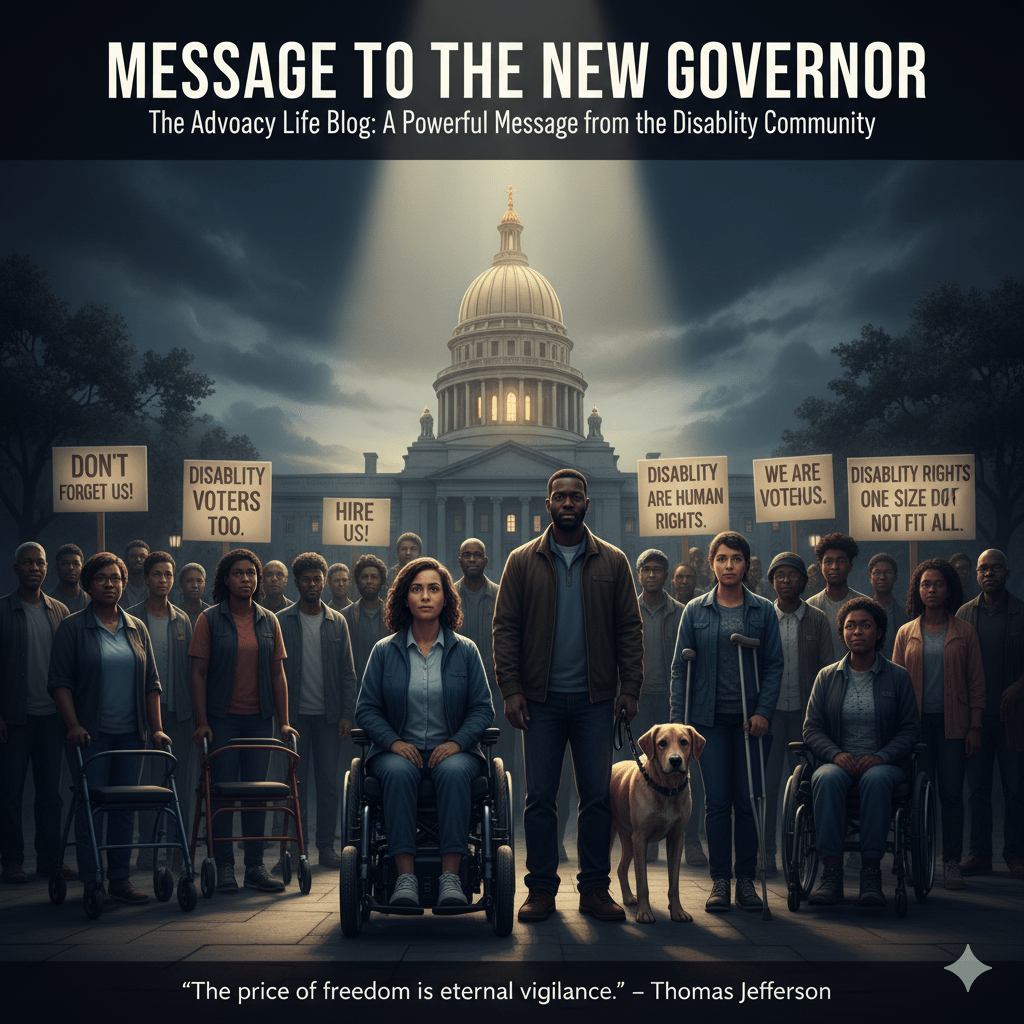
  • A Message to the New Governor

    A Message to the New Governor

    “The price of freedom is eternal vigilance,” Thomas Jefferson famously declared.

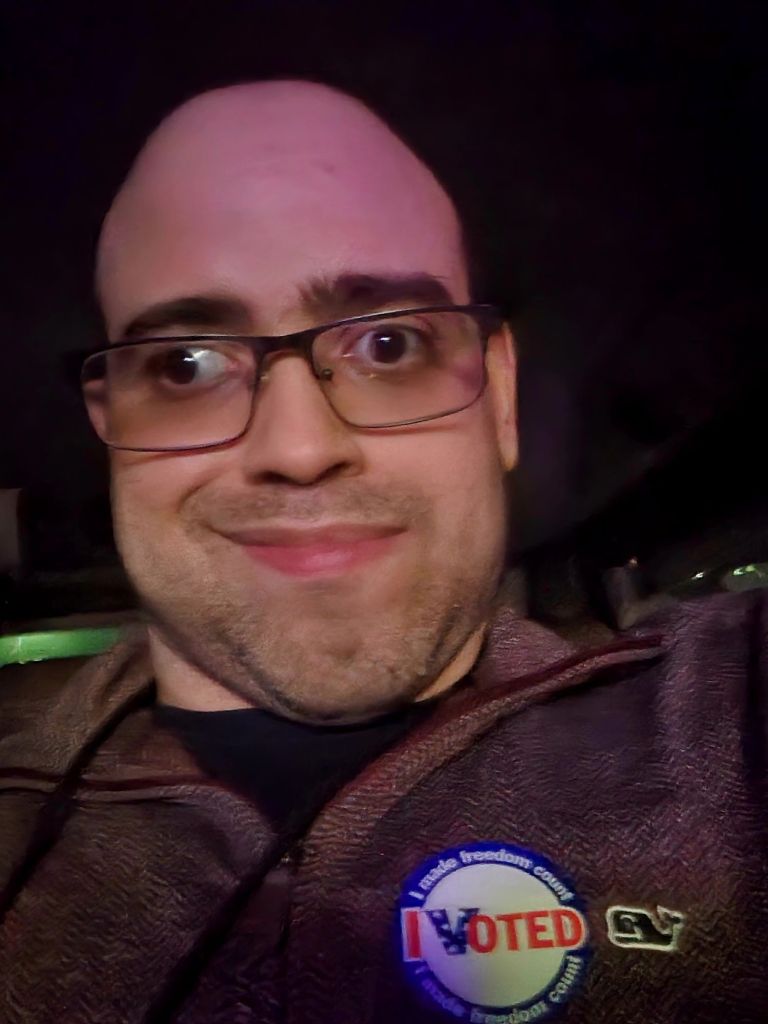
    I’m writing this blog just hours before the election results roll in here in New Jersey. By the time many of you read this, our state will probably have a new governor-elect. If I could address the incoming governor, I would start with this: Do not forget us.

    The disability population is the largest, most underserved, and most underrepresented community in America. We are voters. We are taxpayers. We are citizens. Yet, we are an afterthought, if thought of at all. Our needs are frequently sidelined in policy debates, treated as niche issues rather than fundamental human rights. This needs to change.
    Our community is incredibly diverse. Disability comes in every skin color, every background, every walk of life. It touches families across all demographics, socio-economic statuses, and geographic locations. This means that disability rights are unequivocally human rights. They do not subscribe to any single political party, and our allegiance isn’t to a red or blue banner, but to the dignity of every person.

    We stand for policies that genuinely support independence and self-determination, not those that inadvertently trap individuals in poverty or limit their potential. The disability experience is unique to the individual; a “one size fits all” approach simply does not work. We need policies crafted with nuance, understanding that what empowers one person may not work for another. We need legislation that respects the dignity of risk, allowing individuals to make choices, to learn, to contribute, and to live full, meaningful lives without fear of losing essential supports.

    Many people with disabilities can and want to work. We want to contribute to our communities, to pay taxes, and to be active participants in the economy. Yet, current systems often create perverse disincentives, penalizing individuals who earn above a certain threshold by stripping away vital benefits like healthcare or personal care assistance. This traps people in a cycle of dependence when they desire nothing more than to be independent. Help us break these barriers. Help us contribute without fearing penalty. Help us be taxpayers, not perceived burdens.

    Our community wants to contribute, not just consume resources. We seek opportunities, not charity. We demand respect, not pity. We are a vital part of New Jersey, and our voices deserve to be heard, our needs addressed, and our rights protected.

    As the new administration takes shape, I urge them to remember Thomas Jefferson’s warning. The freedom and well-being of the disability community depend on constant vigilance from our leaders. We will be watching, advocating, and striving for a New Jersey where every citizen can thrive.

  • Disability Limbo Newsletter November 3, 2025

    Disability Limbo Newsletter November 3, 2025

    Subscribe to continue reading

    Become a paid subscriber to get access to the rest of this post and other exclusive content.

  • The church’s Disability

    The church’s Disability

    A Community Blog

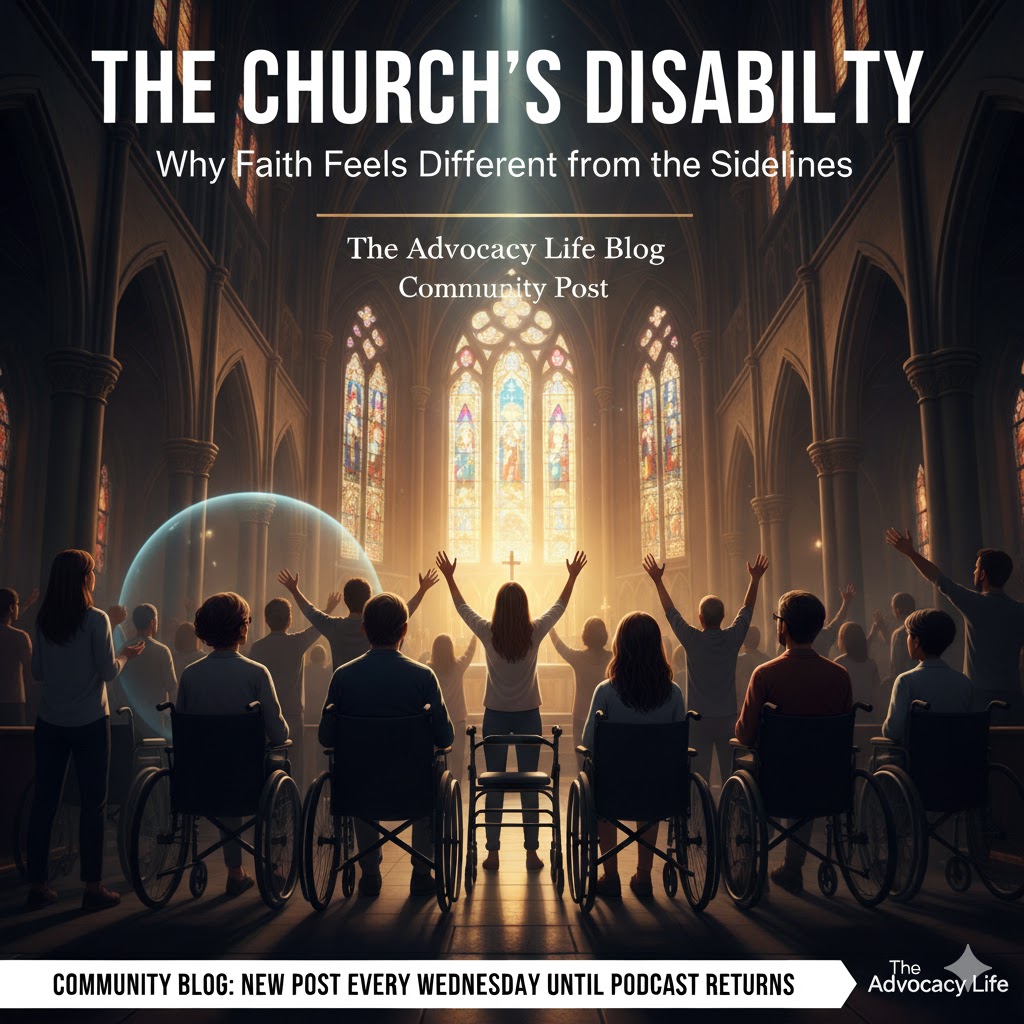
    For many of us in the disability community, our relationship with faith can be incredibly complex. We love the Lord, we crave spiritual connection, but too often, the very places meant to offer solace—churches—become spaces of discomfort and judgment. It’s a paradox that weighs heavily on the soul.

    Who wants to go to church and be constantly stared at? Who wants to attend a funeral, already a time of immense grief, only to hear the pastor speak about the deceased as if they were a stranger, completely unaware of the rich life lived by the person with a disability they are meant to be celebrating? These aren’t isolated incidents; they’re common experiences that chip away at a sense of belonging.

    That’s precisely what so many well-meaning congregations don’t quite grasp. As a disabled person, when you feel that energy – the pity, the awkward glances, the unspoken questions – it actively pushes you away, no matter how much you yearn for spiritual connection. You feel like an outsider, an anomaly, rather than a cherished member of the flock. It makes you want to retreat, to seek God in the quiet solitude of your own home, far from the subtle rationalization.

    What truly frustrates me is the disconnect. People gather to praise and worship, singing about love and community, yet many remain firmly entrenched in their own safety bubbles. They’ll lift their hands in adoration but won’t extend one to say hello at fellowship. They’ll preach inclusivity but practice exclusivity, often unconsciously. The truth is, you’ll never be able to reach everyone, but that doesn’t mean we stop trying to bridge the gap between professed faith and lived acceptance. This isn’t about malice; it’s about a lack of understanding, a failure to truly see and welcome.

    My dream? I would love to walk into a congregation—or roll into it, as the case may be—and see it bustling with wheelchairs and walkers, with people of all abilities steaming with joy for God. Too often, I’ve been the only person with a disability in the church. Or, if there are others, they’re tucked away in a corner, out of sight, out of mind, so as not to “bother” the rest of the folks. This isn’t what true community looks like. This isn’t what radical love looks like.

    Matthew 18:20 NIV “ For where two or three gather in my name, there am I with them.”

    We need spaces where our presence isn’t an inconvenience, our bodies aren’t a spectacle, and our faith is celebrated just as vibrantly as anyone else’s. It’s about creating an environment where the spirit can truly soar, free from the burdens of judgment and isolation. We need churches willing to step out of their comfort zones, not just physically accessible buildings, but truly accessible hearts.

    A quick note for my incredible community:

    I’m currently traveling and, unfortunately, don’t have access to my podcast equipment right now. Because of this, I’ll be sharing an additional Community Blog this week to keep our conversations flowing! Until I get my podcast back up and running, you can expect these bonus Community Blogs every Wednesday. Thank you for your understanding and continued engagement!

    The Podcast

    Published Books

    Subscribe to Letter from Limbo

    Read more of this content when you subscribe today.

    One-Time
    Monthly
    Yearly

    Make a one-time donation

    Make a monthly donation

    Make a yearly donation

    Choose an amount

    $1.00
    $3.00
    $5.00
    $5.00
    $15.00
    $100.00
    $5.00
    $15.00
    $100.00

    Or enter a custom amount

    $

    Your contribution is appreciated.

    Your contribution is appreciated.

    Your contribution is appreciated.

    DonateDonate monthlyDonate yearly
  • Disability Limbo Newsletter October 20, 2025

    Disability Limbo Newsletter October 20, 2025

    Subscribe to continue reading

    Become a paid subscriber to get access to the rest of this post and other exclusive content.

  • Unknown Future for Disabled Students

    Unknown Future for Disabled Students

    October community Blog

    An executive order aimed at “reorganizing the executive branch” has initiated a restructuring within the Department of Education so sweeping that an estimated 90% of the Department of Special Education has been cut. This is not mere bureaucratic shuffling; it is a profound threat to the educational lifeline of millions of students with disabilities and their families across America.

    The Office of Special Education Programs (OSEP) and the Rehabilitation Services Administration (RSA)—two pillars of federal support for disability education and vocational services—are being consolidated into a new “Office of Disability Programs.” While presented as an efficiency measure, this move risks diluting specialized expertise and advocacy under a broader, less focused umbrella.

    It suggests a fundamental misunderstanding of the intricate needs of students with disabilities, whose educational journeys require dedicated attention. We are not just “people with disabilities”; we are students with IEPs, individuals requiring specific accommodations, and citizens entitled to tailored pathways to independence.

    The countless parents who have fought tooth and nail for their children’s rights under the Individuals with Disabilities Education Act (IDEA). They’ve navigated complex systems, battled for resources, and advocated for individualized plans that are often the only guarantee of a meaningful education. Now, with the federal offices designed to uphold these rights being drastically downsized, what does this mean for the future of compliance, oversight, and—most critically—access?

    This prospect could leave families isolated, battling under-resourced schools, and facing an even more daunting bureaucracy. This isn’t an abstract policy change; it’s a direct assault on the promise of an equitable education for our most vulnerable students.

    This cannot and must not be allowed to become a partisan issue. Disability rights are human rights. They transcend political ideology because they speak to the fundamental dignity and potential of every individual. Every community, every family, regardless of political affiliation, is touched by disability. Access to education, vocational support, and a life of self-determination are not negotiable political bargaining chips; they are universal entitlements in a just society. When we diminish these protections for people with disabilities, we don’t just harm a segment of our population; we diminish the moral standing and strength of our entire nation. A powerful society uplifts all its members, recognizing the inherent value and contribution of all citizens.

    Therefore, we must move beyond fear and into urgent action. The immediate and paramount call to action is to educate and empower families with disabilities to navigate this perilous new landscape of disability services.

    • Stay informed, double-check all sources, and share what you’ve learned.
    • Engage with your local school boards, state disability councils, and advocacy organizations. These local entities will be on the front lines, and they need reinforced support and active participation.
    • Build new connections by reaching out to others who have not been reached before, and collective strength is the key.

    The foundation of disability education in America is under threat. By uniting, informing ourselves, and advocating tirelessly, we can protect the rights and futures of millions. This fight requires every voice.

    The Podcast

    Published Books

    Subscribe to Letter from Limbo

    Read more of this content when you subscribe today.

    One-Time
    Monthly
    Yearly

    Make a one-time donation

    Make a monthly donation

    Make a yearly donation

    Choose an amount

    $1.00
    $3.00
    $5.00
    $5.00
    $15.00
    $100.00
    $5.00
    $15.00
    $100.00

    Or enter a custom amount

    $

    Your contribution is appreciated.

    Your contribution is appreciated.

    Your contribution is appreciated.

    DonateDonate monthlyDonate yearly
  • Disability & Parenting Podcast

    Disability & Parenting Podcast

    False hope can be a comforting lie, but it often leads to greater disappointment. In this powerful and incredibly honest episode, Kevin Nuñez tackles the sensitive topic of false hope within the disability community, sharing his personal experiences and why he believes brutal honesty, paired with empathy, is essential.

    Evin recounts his own childhood experiences with doctors and therapists who gave his family false expectations about “walking again,” only to face repeated letdowns He argues that this practice, often well-intentioned, can be more damaging than helpful, especially for children who internalize these unfulfilled promises as personal failures This isn’t just about physical rehabilitation; it extends to broader societal interactions where people offer empty reassurances about things they don’t understand

    This episode challenges us to rethink how we support and communicate with individuals with disabilities[cite: Kevin advocates for a balance of empathy and realism, pushing for genuine understanding over platitudes He asks why we celebrate minimal progress instead of recognizing the full, complex lives people with disabilities lead, and stresses the importance of fostering self-love and self-respect in a world that often measures worth by physical ability.

    Show Notes

    The Podcast

    Published Books

    Subscribe to Letter from Limbo

    Read more of this content when you subscribe today.

    One-Time
    Monthly
    Yearly

    Make a one-time donation

    Make a monthly donation

    Make a yearly donation

    Choose an amount

    $1.00
    $3.00
    $5.00
    $5.00
    $15.00
    $100.00
    $5.00
    $15.00
    $100.00

    Or enter a custom amount

    $

    Your contribution is appreciated.

    Your contribution is appreciated.

    Your contribution is appreciated.

    DonateDonate monthlyDonate yearly
  • Open Doors Podcast Episode

    Open Doors Podcast Episode

    We all have them, don’t we? Those big, audacious dreams we’ve held onto since childhood. For me, it was a dream of civic engagement, of being a voice for change. From a young age, I pictured myself in politics, influencing policy, and making a difference. That dream evolved into a very specific goal: to serve on a national advocacy board, to contribute at the highest level to the very movement that defines my life.

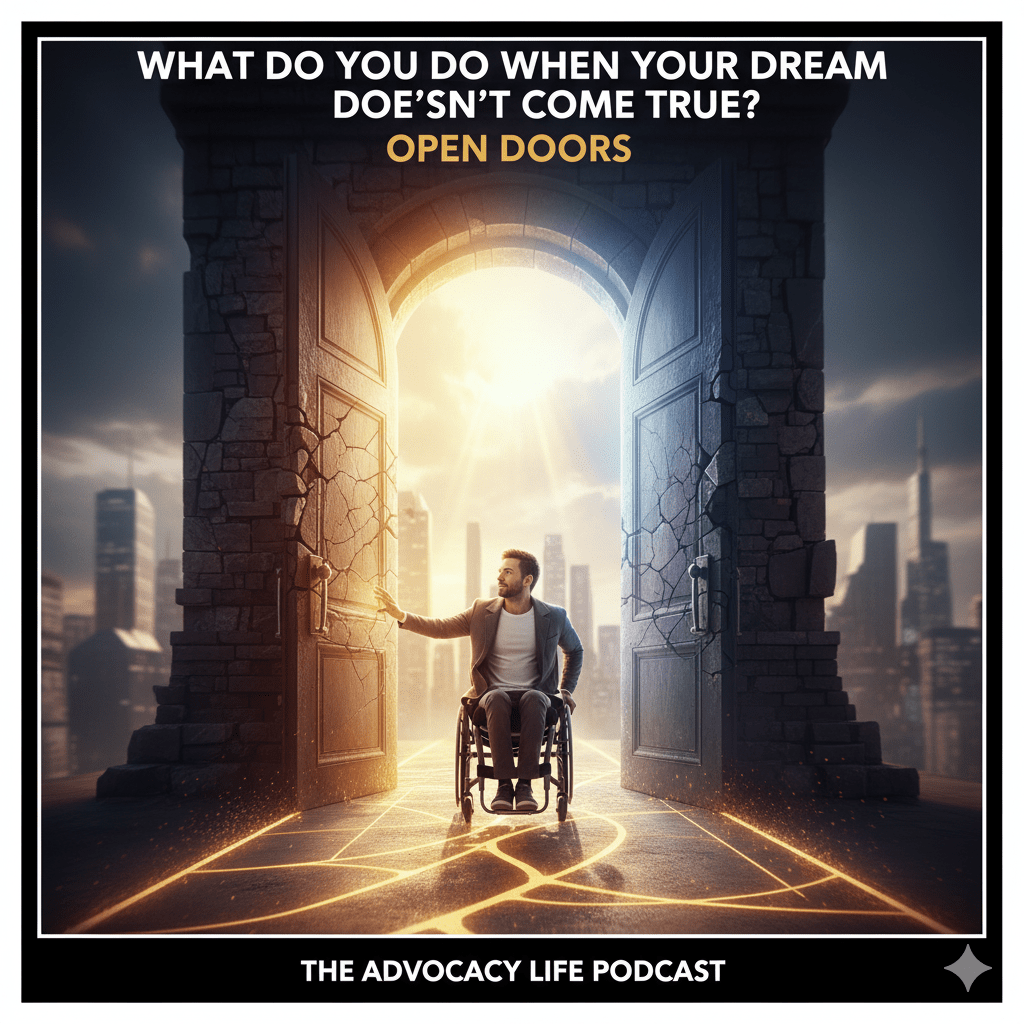
    I poured my heart into the application process. I spent countless hours writing, refining, and preparing. I felt confident, invigorated by the thought of this “dream job.” When the rejection email landed in my inbox, it was a punch to the gut. The dream, the vision I had held for so long, seemed to evaporate. It was a stark reminder that even with passion and purpose, some doors just don’t open the way we expect.

    But here’s where the story takes an unexpected turn, a turn that became the inspiration for my latest podcast episode. Just two hours after receiving that devastating “no,” my phone rang. It was an offer to serve on a different national board—an opportunity I hadn’t even considered, a door I didn’t even know existed.

    This experience brought a profound realization: advocacy isn’t about the title, the recognition, or the specific platform. It’s about being a voice for the voiceless. It’s about “planting the seed for a tree that someone else will sit under.” It’s about the relentless pursuit of a more just and inclusive world, regardless of the path we take to get there.

    This episode is a raw, honest look at the emotional rollercoaster of pursuing a dream, facing rejection, and finding unexpected redirection. It’s a vital reminder for all of us to be aware of the “windows and doors that are open,” even when they’re not the ones we initially envisioned. A “no” isn’t always a dead end; sometimes, it’s the universe nudging you toward an even better, more impactful journey.

    So, if you’ve ever felt the sting of a dream deferred, if you’re wondering what your next step should be, or if you simply need a dose of inspiration to keep fighting for what you believe in, this episode is for you.

    Are you ready to see how a “no” can lead to your next “yes”?

    Episode Transcript

    The Podcast

    Published Books

    Subscribe to Letter from Limbo

    Read more of this content when you subscribe today.

    One-Time
    Monthly
    Yearly

    Make a one-time donation

    Make a monthly donation

    Make a yearly donation

    Choose an amount

    $1.00
    $3.00
    $5.00
    $5.00
    $15.00
    $100.00
    $5.00
    $15.00
    $100.00

    Or enter a custom amount

    $

    Your contribution is appreciated.

    Your contribution is appreciated.

    Your contribution is appreciated.

    DonateDonate monthlyDonate yearly
  • Disability Limbo Newsletter October 6, 2025

    Disability Limbo Newsletter October 6, 2025

    Subscribe to continue reading

    Become a paid subscriber to get access to the rest of this post and other exclusive content.

  • Pop Your Bobble Podcast Episode

    Pop Your Bobble Podcast Episode

    I’ve been thinking a lot about a question that has been on my mind lately: when did we, as a society, give up our conscience for comfort? It’s a question I’m exploring in my latest podcast episode, and it’s a topic that feels more urgent than ever.

    I was recently reflecting on the world as it is now and the disturbing events we see on the news. There are tragedies that unfold in front of our eyes, like a person being stabbed to death on a train, and people just stand by and watch. This is something that would have been unthinkable not too long ago. It feels like we’ve become disconnected, isolated in our own worlds, our own bubbles.

    I’ve learned a lot about getting out of my comfort zone because of my disability. My life is a constant series of adaptations, and I’ve been forced to grow and learn every single day. I’ve realized that many people who are able to walk and move around freely aren’t really going anywhere. They might be physically moving, but they have no purpose behind their steps. They’re stuck in a place of apathy and indifference.

    This episode is my direct call to action to all of us. We’ve forgotten how to compromise and grow. It’s so easy to sit on the sidelines and cheer when something bad happens to a person we disagree with. But that’s not what we’re called to do. We should be praying for their families and remembering that we’re all a part of this together.

    It’s time for us to pop our bubbles, America. We need to remember that our conscience is more important than our comfort. We need to be a part of the solution, not a part of the problem.

    This is a powerful episode that will challenge you. Are you ready to hear what’s on my heart?

    The Podcast

    Published Books

    Subscribe to Letter from Limbo

    Read more of this content when you subscribe today.

    One-Time
    Monthly
    Yearly

    Make a one-time donation

    Make a monthly donation

    Make a yearly donation

    Choose an amount

    $1.00
    $3.00
    $5.00
    $5.00
    $15.00
    $100.00
    $5.00
    $15.00
    $100.00

    Or enter a custom amount

    $

    Your contribution is appreciated.

    Your contribution is appreciated.

    Your contribution is appreciated.

    DonateDonate monthlyDonate yearly
  • Laughing with Your Disability Podcast Episode

    Laughing with Your Disability Podcast Episode

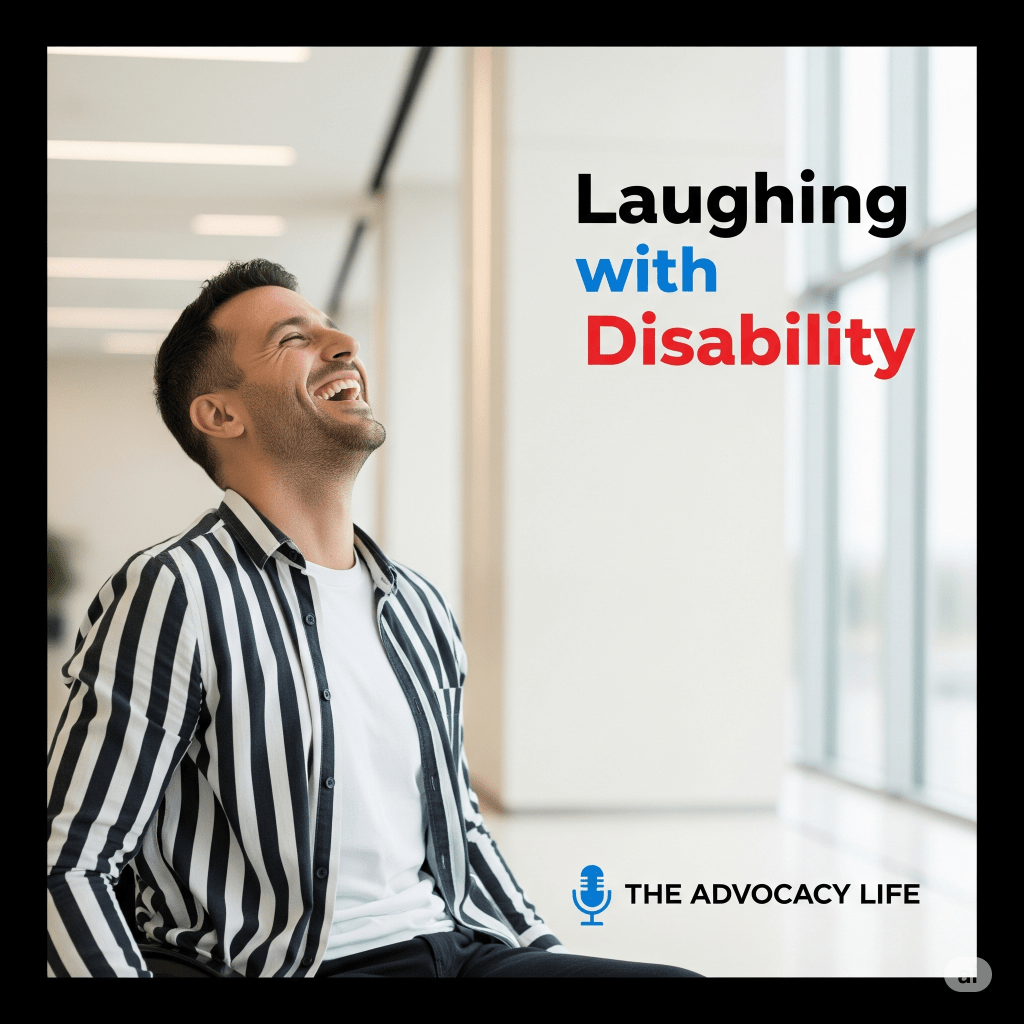
    Laughter is powerful. It can disarm uncomfortable situations and help us connect with one another on a deeper, more human level. In this episode of The Advocacy Life, I explore how embracing humor, even in the most embarrassing moments, can be an incredible tool for living with a disability.

    I share three personal stories where laughter became my saving grace. The first involves a spectacular fall at a Boston Market, a moment where my poor depth perception led to an unexpected tumble. My staff and I couldn’t help but laugh, and it became a family joke. The lesson? When you fall—physically, mentally, or spiritually—laugh, learn, and get up.

    My second story is more personal, a lesson in unexpected growth during an intimate moment with a new caregiver. It was uncomfortable, but by teaching and growing together, we built a lasting friendship.

    Finally, I recount a time when I was angry and isolated, purposely hiding from my peers with disabilities. The staff and clients at my day program played a prank on me with a speaker that made fart sounds, and it was that ridiculous, joyous moment that made me feel truly welcome. It taught me that kindness and acceptance are key to overcoming ableism, a lesson that everyone, with or without a disability, needs to learn.

    This episode is about more than just a few laughs. It’s a reminder to find the joy in the unexpected, to embrace awkward moments, and to welcome others with open arms.

    Podcast Transcript

    The Podcast

    Published Books

    Subscribe to Letter from Limbo

    Read more of this content when you subscribe today.

    One-Time
    Monthly
    Yearly

    Make a one-time donation

    Make a monthly donation

    Make a yearly donation

    Choose an amount

    $1.00
    $3.00
    $5.00
    $5.00
    $15.00
    $100.00
    $5.00
    $15.00
    $100.00

    Or enter a custom amount

    $

    Your contribution is appreciated.

    Your contribution is appreciated.

    Your contribution is appreciated.

    DonateDonate monthlyDonate yearly