Category: Disability Awareness

  • Letters From Limbo September 22, 2025

    Letters From Limbo September 22, 2025

    Screaming for Compromise

    September 22 2025
    Main idea
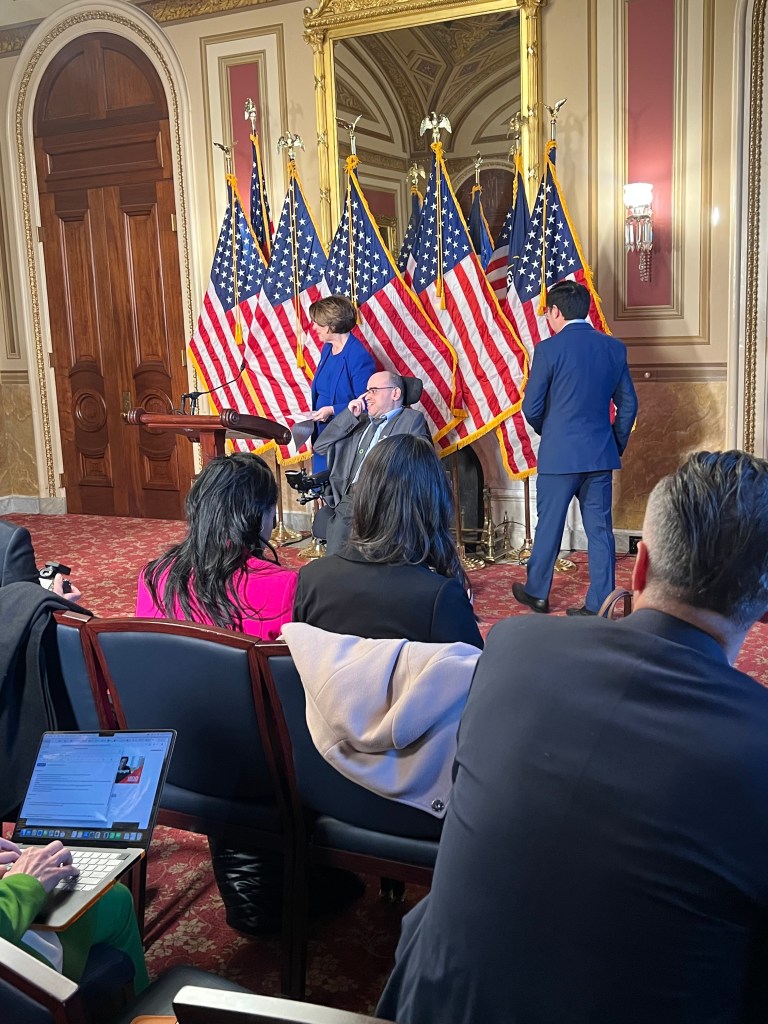
    This past week, I was really disappointed in my fellow Americans. As you know by now, the political activist Charlie Kirk was assassinated. I’ll be the first to admit I did not agree with all of his viewpoints, but I did not wish Eva on him or his family. The individuals celebrating his death sickened me. There is a time and place for everything. What respect for our fellow man? Freedom of speech is not just for those who agree with you. People like Jimmy Kimmel should be canceled; that was not the time, and that was not the place. People used to watch late-night TV to laugh and unwind before bed. Certain topics should never be used for comic relief.

    Again, his viewpoints were harsh. Like every person, he said some things I agreed with and some things I absolutely did not agree with. When did we become a nation of absolutes, unwilling to compromise? He believed in the political discourse, which is what this country was founded on. There are a lot of similarities between what he did and what I hope to one day do. He started with a podcast, like I have. I have little doubt that he was running for office at some point. I would also love to do this. Would America support a disabled candidate? That is not a shame to say he loves Jesus and is willing to work with everyone. Would an elected official have a disabled advisor? Those in power need to surround themselves with all kinds of opinions, not just ones that they like.

    Brand Update

    I want to thank all six of you for taking the time to support this little content creator. I would love to see this part of my creations grow because I think it’s more fun and personal compared to my podcast and blogs, which tend to be more business-like. If you could help spread the word, I would really appreciate it. I know I technically missed last week, but I forgot that there was already a community blog published that same week. I don’t want to overwhelm you with too much content, so I’m trying to strike a balance.

    New Goal/Achievement
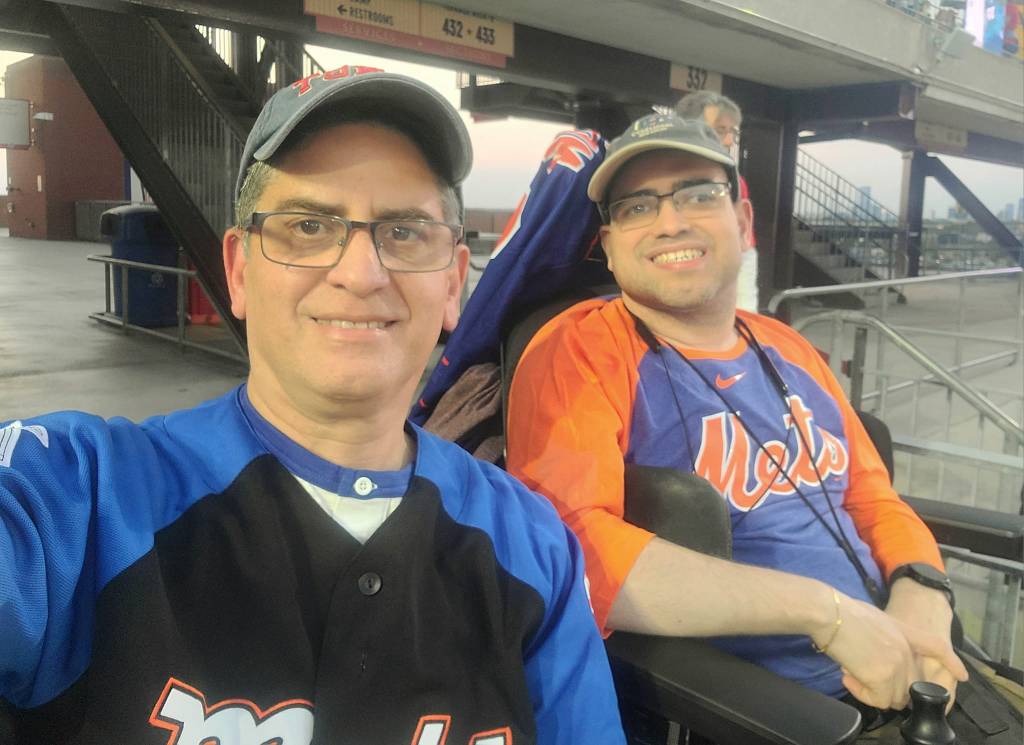
    This past week, we celebrated my dad’s 59th birthday. I know this is not a typical goal, but violence is a prominent blessing. So many parents have to bury their children because of violence and drugs. I’m thankful for every day we have together. Happy birthday, old man!

    Recommendations

    /I recently listened to the book A Time to Kill by John Grisham. The book is a little more detailed than the movie starring Seminole Jackson. Despite being written over 30 years ago, the themes are still relevant today. Here is a synopsis according to Google.

    A Time to Kill by John Grisham centers on Jake Brigance, a young defense attorney in Mississippi, who defends Carl Lee Hailey, a black man who has murdered two white men for raping and brutally assaulting his ten-year-old daughter. The trial takes place amidst intense racial tension in the town of Clanton, attracting national attention and the presence of the KKK, as Brigance navigates the case’s moral and legal complexities while fighting for his client’s life

    Ask the Audience

    Fall is officially upon us. My fantasy football league is all set up. I’m already 1-1 as of this writing. What’s your favorite part of fall?

    Quote of the Week

    “Yesterday is not ours to recover, but tomorrow is ours to win or lose.”

    Lyndon B. Johnson

    Next newsletter, October 6, 2025

    The Advocacy Podcast

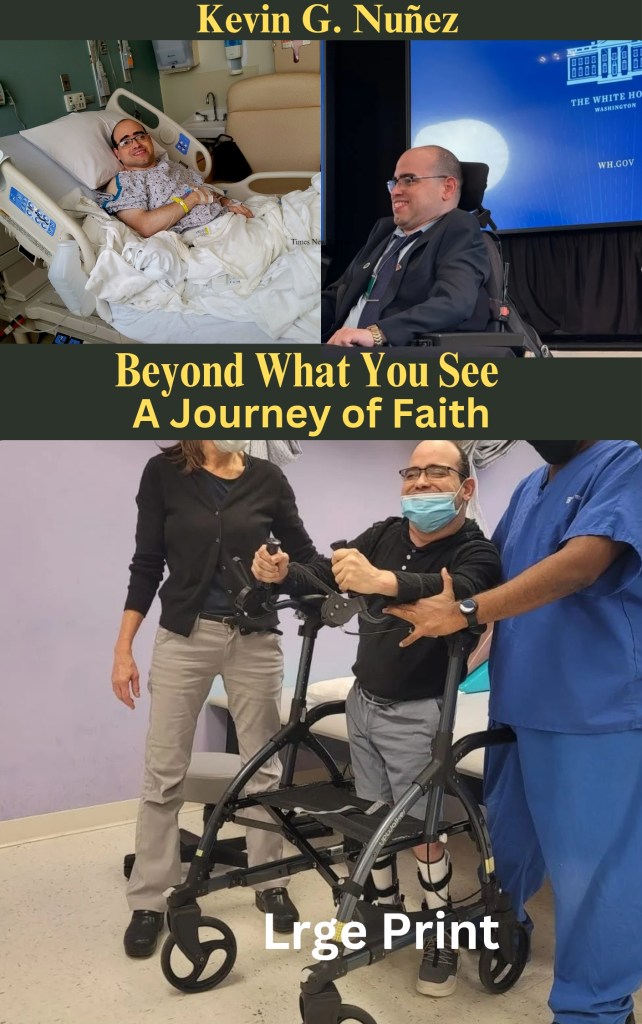
    Living Beyond Disability Books

    Both books are available exclusively on Amazon.
    Subscribe to Letters From Limb. Newsletter

    This is an exclusive weekly blog on the more fun and creative side of Kevin and his colleagues..

    Where the Ramp Ends

    This is an affiliated podcast that the advocacy life often collaborates with on Check it out today available on all podcast platforms and YouTube..

    Donate to the Advocacy Life Podcast & Blog

  • The Illusion of Disability Hierarchy

    The Illusion of Disability Hierarchy

    September Community Blog

    There’s no definition of “disability hierarchy,” and I think that’s on purpose. It is a construct, a trick to keep people with disabilities fighting endlessly over the same limited resources. It makes one disabled person seem “better” or “worse” than another. This artificial division only hurts us all, preventing us from focusing on the genuine problems we face.

    Everyone has things they’re good at and things they’re not so good at. That’s just how people are. When someone has a disability, these strengths and weaknesses often just show up more clearly. My life is a perfect example. I need a lot of help with physical activities every day–like bathing and getting dressed. Many people might see this as a big weakness, a sign that I can’t do things on my own. I was once told that,

    “Your life is simple because people do everything for you.”

    My experiences have taught me something important. What seems like a weakness can hide enormous strength. At habitation programs I’ve been to, I’ve met many people who could move around much better than I. They can go to the bathroom by themselves and perform many daily tasks that I can’t. But many of these same people looked to me to speak for them. They couldn’t talk to explain what they needed or wanted. In those moments, my “weakness” became their strength. My ability to speak up, to ask for respect, and to fight for what’s right became an important asset for them.

    Isaiah 45:9 NIV  “Woe to those who quarrel with their Maker, those who are nothing but potsherds among the potsherds on the ground. Does the clay say to the potter, ‘What are you making?’ Does your work say, ‘The potter has no hands’?

    This shows why the idea of a disability hierarchy is harmful. It makes us look at easy-to-see differences and judge who is “more disabled” or “less able.” But being able to do things isn’t just one simple thing. It’s a mix of physical skills, thinking skills, feelings, and how we talk to each other. Someone who needs a lot of physical help might be incredibly smart or have a spirit that inspires everyone. Someone who can’t speak might show so much through their eyes or actions.

    My journey, from needing total physical care to becoming a forceful advocate who speaks at big events and has a popular podcast, shows how strengths and weaknesses work together. My physical “weakness” has actually made my mind sharper and made me want to fight even harder for others. It has given me a way to understand and speak up for those who might not be heard.

    To move forward, we need to get rid of this harmful idea of a hierarchy. Instead of comparing needs or ranking disabilities, we must see the true worth and special talents of every person in the disability community. We need to understand that real strength comes from working together, from making each other’s voices louder, and from supporting all the different ways we give and get help. Only then can we truly unite to demand the resources and respect we all deserve. We won’t be broken groups fighting over scraps, but a strong, united force for change. This September, let’s promise to see all the different strengths in our community and say no to anything that tries to divide us.

    The Advocacy Podcast

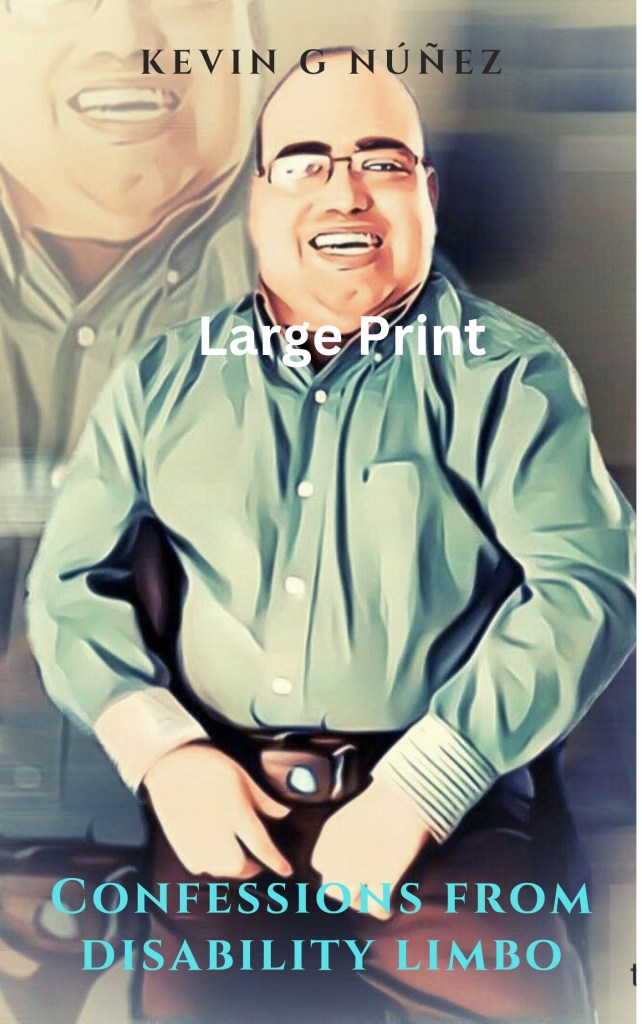
    Living Beyond Disability Books

    Both books are available exclusively on Amazon.
    Subscribe to Letters From Limb. Newsletter

    This is an exclusive weekly blog on the more fun and creative side of Kevin and his colleagues..

    Where the Ramp Ends
    This is an affiliated podcast that the advocacy life often collaborates with on Check it out today available on all podcast platforms and YouTube..

    Donate to the Advocacy Life Podcast & Blog

  • Tales of Affection

    Tales of Affection

    Subscribe to continue reading

    Subscribe to get access to the rest of this post and other subscriber-only content.

  • Birthday Reflections & More

    Birthday Reflections & More

    Subscribe to continue reading

    Become a paid subscriber to get access to the rest of this post and other exclusive content.

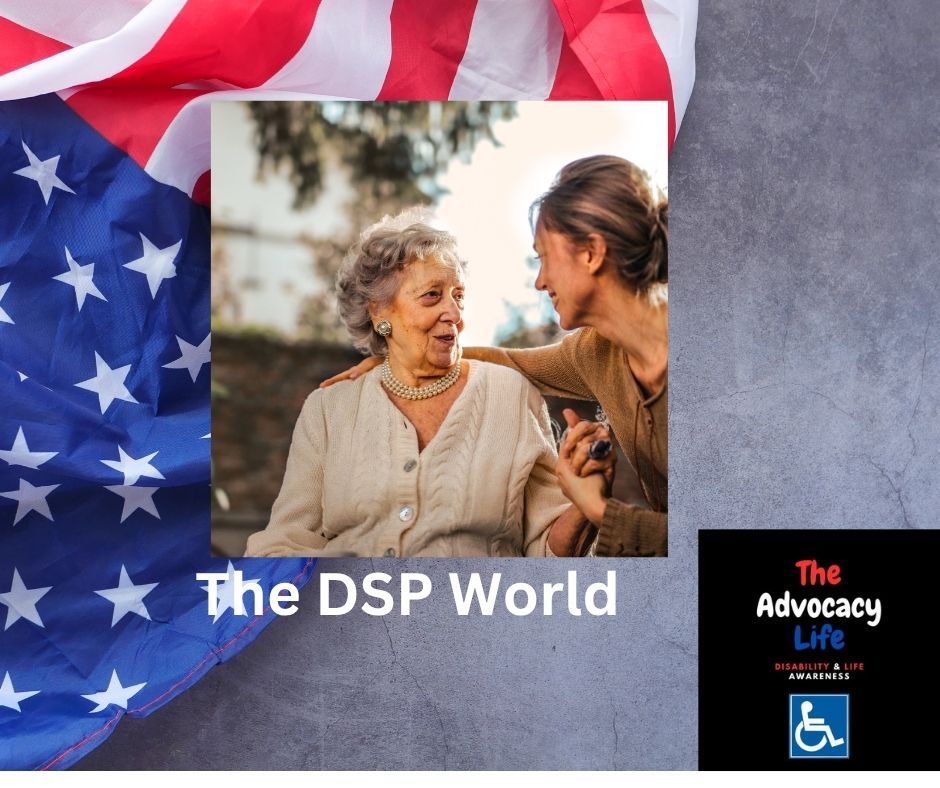
  • The DSP World

    The DSP World

    I wanted to raise awareness to a very big problem in our world today. It rarely gets any publicity; the average person doesn’t even know about it. The truth is unless you are affected by this problem, you don’t even know it exists. The problem is the lack of pay and benefits for direct support professionals (DSPs). What is a DSP? A direct support professional is someone who is paid through a provider agency or an individual to provide support and care to a person with a disability. As long as there are people who need assistance in their lives there will always be need for these professionals. There are four groups of people who are affected by this issue. They are: the individuals receiving the care, the family of the individual, the providers, and the professionals themselves. 

    Let me begin by addressing the individuals receiving the care.  People that have a disability will learn that they often must depend on others to assist them in one way or another.  They depend on the kindness of others to help them live their day-to-day lives. Could you trust someone with your most intimate tasks if you knew they would leave in six months? Just imagine knowing you’re going to lose the person you most confide in, even before they start. People with disabilities can tell almost immediately if the person is going to be good at their job. Most of all they can tell if the person will last. 

    Use your imagination for this next part please. You meet a person named Matt. After meeting him for only four hours, you need a shower. He must first undress you completely. Then he puts you in a shower chair. He then proceeds to give you a shower. Matt does his best to wash your private areas. After finishing and drying you off, he begins to dress you. If the individual is so fortunate, he can direct Matt on how and what to do. The truth is there are many individuals in the disability community that cannot speak for themselves. Therefore, Matt must try to interpret what they are trying to communicate. This is just one of the many duties of a DSP. I hope this brief example can illustrate the need for these very special people. 

    Next, I would like to talk about the direct support professionals themselves.  These professionals receive about 10 to 11 dollars an hour with no promise of growth in their career. Most providers offer little to no benefits at all (this includes sick time or health insurance). As a result if DSPs don’t work, they aren’t paid. This leads to severe burnout. Many times, they sacrifice their own health and well-being to make sure they can provide for their family and/or pay their bills. It’s ironic that they are responsible for the health and well-being of another human when, due to the lack of health benefits such as sick days, they cannot take care of their own health needs. What inevitably happens is the person leaves to another company in hopes of a dollar more. People believe they can use this job as a steppingstone toward a larger career goal. The other misconception is this job will only be a temporary solution until another opportunity opens up. They end up living paycheck to paycheck. The professional waits in limbo until they burn out or they get another job. 

    So why would someone do this job at all? These wonderful people do it because they care for others. They look forward to the moments when their individual lights up when they arrive in the morning for their shift. The relationship between an individual and the professional is truly symbiotic if done correctly. The individual gets a companion to help them with their wants and needs. In turn the professional should receive joy in the knowledge they are doing something to help someone live their life. Some things are worth more than money. It is truly heartbreaking when it is time for the professional to move on. The best way I know to describe this feeling for an individual, it’s like losing a loved one. For the professional, they are left with the memories of a person that has worked their way into their hearts. 

    The family and/or parents of an individual can also be affected by the DSP issue. Try to imagine having a 25-year-old son that you have cared for his entire life. One day someone shows up at your door ready to take him out to the park for the day. You as the parent are told almost nothing about the person who will be supporting your child for the rest of the day. By the same token, the professional knows almost nothing about the individual and the family they will be supporting. Most times both parties are just given a name with a brief description. A relationship of trust has to be formed out of thin air. This sadly is one of the best-case scenarios. Most individuals as they get older lose their family and the professional becomes, by default, their brother, mother, etc. Depending on the individual’s disability, they will rely on their “families” in almost every way. They need an advocate, a caregiver, and a friend. Could you imagine learning to give your complete trust to a stranger every six months? 

    The final group of people that are affected by the DSP issue are the provider agencies. The turnover rate in this industry is incredibly high. Providers cannot keep their staff. They spend money training these professionals and then they quit a few months later. The money is lost. The rates for these staff and providers have not been increased in approximately 10 years. For example if the state allows $15 per hour to a provider, and $10 goes towards the DSP, that leaves the provider with only five dollars to spend subsequent overhead, including important items like gloves and vehicle maintenance. The providers cannot give their staff benefits or raises if they are barely able to keep themselves above water. 

    The direct support professional problem in my humble opinion has reached crisis levels not just statewide but nationally as well. As long as there are people, people will always need care.  This industry is not going away any time soon. The system will never be perfect but something needs to be done now. This needs to be a call to action. We need to contact our state and federal officials to educate them on this very real problem. If we don’t act now people with disabilities may not have people around us to help us live our lives. 

    The Advocacy Podcast

    Living Beyond Disability Books

    Both books are available exclusively on Amazon.

    Subscribe to Letters From Limb. Newsletter

    This is an exclusive weekly blog on the more fun and creative side of Kevin and his colleagues..

    Where the Ramp Ends

    This is an affiliated podcast that the advocacy life often collaborates with on Check it out today available on all podcast platforms and YouTube..

    Donate to the Advocacy Life Podcast & Blog

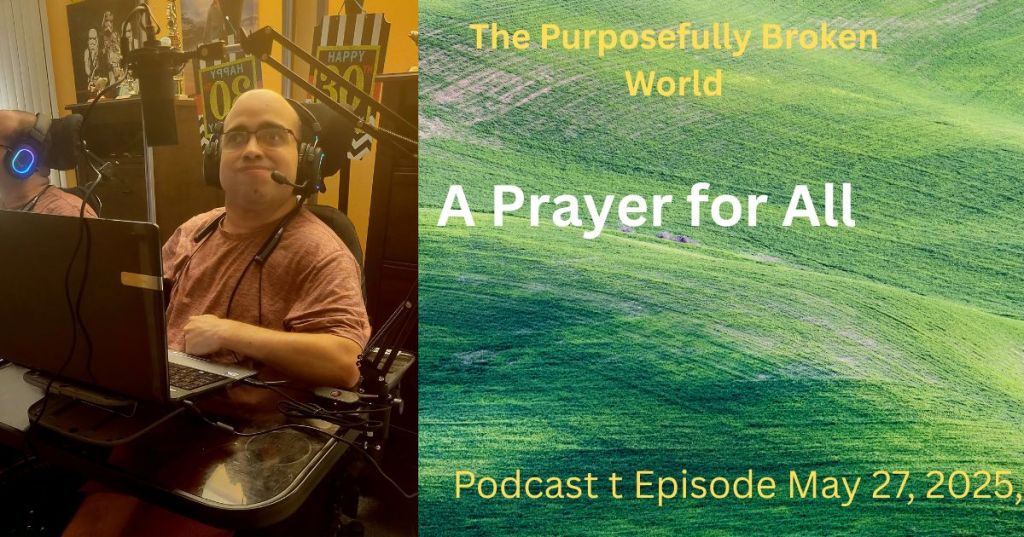
  • A Prayer for all

    A Prayer for all

    Description

    In the third episode of season 3, Kevin does a prayer and a blessing for anyone who needs it. This is a deeply personal look at the spiritual life of a person with a disability. If this topic interests you, please share and subscribe.

    The Advocacy Podcast

    Living Beyond Disability Books

    Both books are available exclusively on Amazon.

    Subscribe to Letters From Limb. Newsletter

    This is an exclusive weekly blog on the more fun and creative side of Kevin and his colleagues..

    Where the Ramp Ends

    This is an affiliated podcast that the advocacy life often collaborates with on Check it out today available on all podcast platforms and YouTube..

    Donate to the Advocacy Life Podcast & Blog

  • The Good Fight: A poem

    The Good Fight: A poem

    Subscribe to continue reading

    Become a paid subscriber to get access to the rest of this post and other exclusive content.

  • The Kennedy Family & Disabled Americans

    The Kennedy Family & Disabled Americans

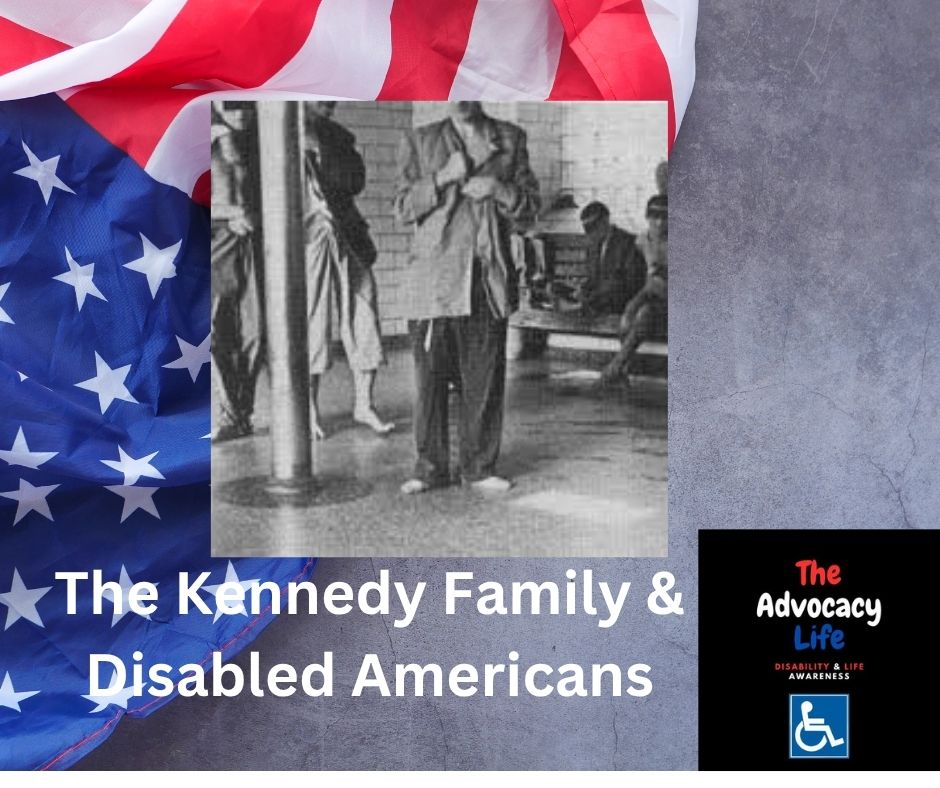
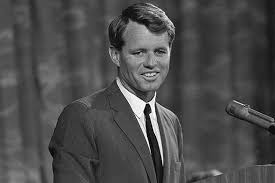
    “A snake pit, where they live in filth and dirt, their clothing in rags, in rooms less comfortable and cheerful than the cages in which we put animals in a zoo.”

    Robert Kennedy Senior made this statement when he was visiting Willowbrook in 1965.

    Willowbrook State School was a state-supported institution for children with intellectual disabilities. Designed to accommodate 4,000 children, by 1965, Willowbrook had a population of 6,000, and a scandal soon erupted over news of the institution’s horrendous conditions and questionable medical practices. It was not closed for another 2 years despite all the outrage. Would you want your child to live in these conditions?

    Disability does not have a political party. A disability does not have a skin color or a specific ethnic race. Disability is America. The only two things certain in this world are death and disability. What makes America great is that we learn from our past so we don’t repeat the mistakes we have made. Disability is not waste, fraud, or abuse. Disability is an example of Hope and prosperity in the American dream. The American Disability community is an example of living prosperity and endurance.

    It’s hard to pinpoint the exact birth of the disability rights movement because disability has been around since the beginning of time, and it will be there until the end of days. America was introduced to the harsh reality of abuse through Robert Kennedy Sr.’s poignant account. Devoid of proper respect and support. Our community faces suffering and death. An autism diagnosis is not evil or a death sentence. A wheelchair is not a confinement, but a tool for opulence.

    This is the current battle that disabled America is facing. We won’t stand for our brothers and sisters being locked up. We aim to help people live fulfilling lives. In the land of the free and the brave, we uphold truth, justice, and the American way as a testament to our identity. Living with a disability presents many challenges. While that’s a fact, things worth pursuing are rarely simple.

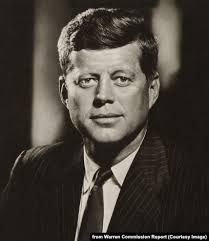
    “We choose to do these things not because they’re easy, but because they’re hard.”

    President John F Kennedy made this statement when referring to reaching the Moon in a decade. We have the same privilege to reach for the same stars as anyone else. In America, we do not fear challenges; we embrace them so we can grow. America today is making choices out of fear and misunderstanding. I believe in America, I believe in its people. We still have time to change course. To see value in all of us. Our chosen elected officials need to listen to us.

    '“ Do not seek revenge or bear a grudge against anyone among your people, but love your neighbor as yourself. I am the Lord. 'Leviticus 19:18

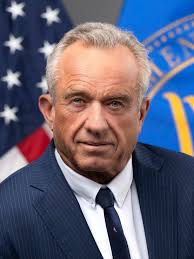
    “I don’t think people should take medical advice from me.’

    This statement was made by Robert Kennedy Jr. The current Secretary of Health and Human Services. There will always be misconceptions around disability and our healthcare. However, if we are left out of the conversation, we cannot help the country move forward. The current administration and the disability community cannot be enemies, we must be allies to achieve tomorrow’s victories. Without disability, America will fail because we are America.

    The Advocacy Podcast

    Living Beyond Disability Books

    Both books are available exclusively on Amazon.

    Subscribe to Letters From Limb. Newsletter

    This is an exclusive weekly blog on the more fun and creative side of Kevin and his colleagues..

    Where the Ramp Ends

    This is an affiliated podcast that the advocacy life often collaborates with on Check it out today available on all podcast platforms and YouTube..

    Donate to the Advocacy Life Podcast & Blog

  • Sleepless wiithout Medicaid

    Sleepless wiithout Medicaid

    When I’m writing, a debate is going on at 1:00 in the morning on the current administration’s reconciliation bill. This is America’s future.. I am not a liberal. I love the Democratic process. Where the people we elect, those whom we choose to trust, are supposed to have our best interests in mind. I will not post this until Thursday afternoon. By then, we will know what happened. I want people to understand how those with disabilities will be affected, at least one person.

    The Medicaid program will receive drastic cuts. I’m going to tell you exactly how these cuts would affect my family directly. I acknowledge and understand that I am blessed and fortunate because of my efforts in the advocacy world. I want you to think about others who are not so fortunate. I’ve seen the models that are predicted, at a minimum of 10%. These cuts are like a square peg in a round hole. It doesn’t work! I receive Home and Community-Based Services (HCBS) under a waiver program in New Jersey State Medicaid. This program is legally optional in every state, meaning this will be the first thing to go.

    Matthew 25:40 NIV “The King will reply, ‘Truly I tell you, whatever you did for one of the least of these brothers and sisters of mine, you did for me.’

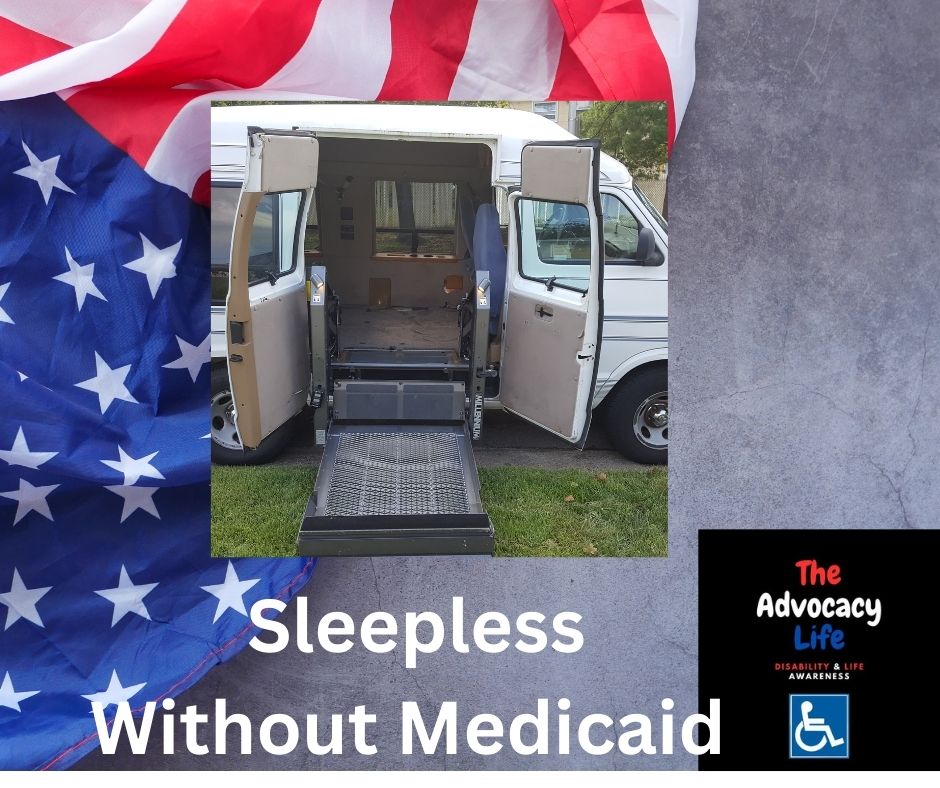
    • My $60,000 accessible vehicle receives annual servicing to ensure optimal performance. I primarily use this for transportation. For doctor’s appointments and other important engagements. It also helps me avoid becoming a social isolate. The mechanic can fix the motor, but not the lift for the van. This is factual, not fraudulent.
    • I’m currently allowed to go on respites, which gives my father and other family members who assist with my daily care a necessary break so they don’t become burned out or heal if they’re sick. Keeping people in the community is demonstrably cheaper than institutional care. This is how you can prevent waste.
    • Once a week, I receive physical therapy at home to make sure my body does not deteriorate. I could get a prescription from my doctor, it covers approximately 8 weeks of physical therapy. What would happen to your body if you only exercised 8 weeks out of the 52-week year? Not to mention that my father would have to drive me to a facility to do this, putting more mileage on our vehicle.
    • My $50,000 wheelchair is due to be replaced. How much is it going to cost the taxpayers now? This is not abuse, this is necessary accommodation. Should I stay in bed and waste away? If people want those with disabilities dead, why don’t they have the guts to say it?
    • If there’s no oversight, each state will have its own unique Medicaid and Medicare program. I come from a great family, although geographically dispersed. If I have to move, my systemic quality of life would be very different. If I didn’t have a family, I would go into a facility and slowly die. We saw this happen in the mid-80s when Geraldo Rivera first exposed it, and we saw it happen again during the outbreak of the pandemic. It was my understanding did America was supposed to be great for all.
    • With Medicaid, I can entertain job offers and job coaching services. I guess my money is not good enough for the economy.

    My fellow Americans, individuals with disabilities, we are not a terrorist organization. We want to help our nation grow, not hurt it. Is this what you want to hurt your neighbors, your family, and your friends? How will you be able to sleep when all these changes roll out? Have a good night, and may God bless America.

    The Advocacy Podcast

    Living Beyond Disability Books

    Both books are available exclusively on Amazon.

    Subscribe to Letters From Limb. Newsletter

    This is an exclusive weekly blog on the more fun and creative side of Kevin and his colleagues..

    Where the Ramp Ends

    This is an affiliated podcast that the advocacy life often collaborates with on Check it out today available on all podcast platforms and YouTube..

    Donate to the Advocacy Life Podcast & Blog

  • Early Access

    Early Access

    Subscribe to continue reading

    Become a paid subscriber to get access to the rest of this post and other exclusive content.