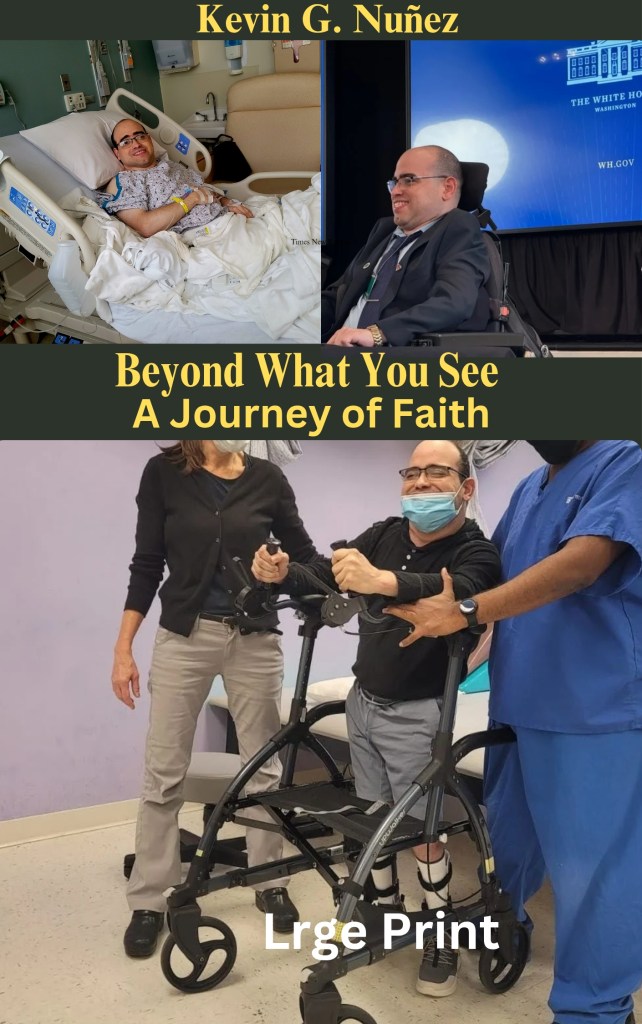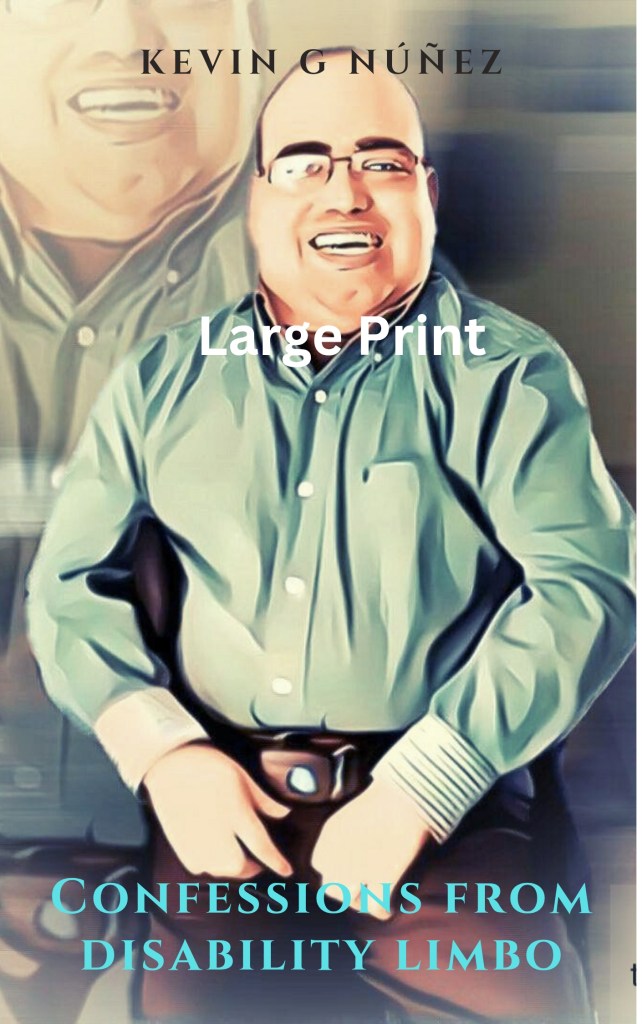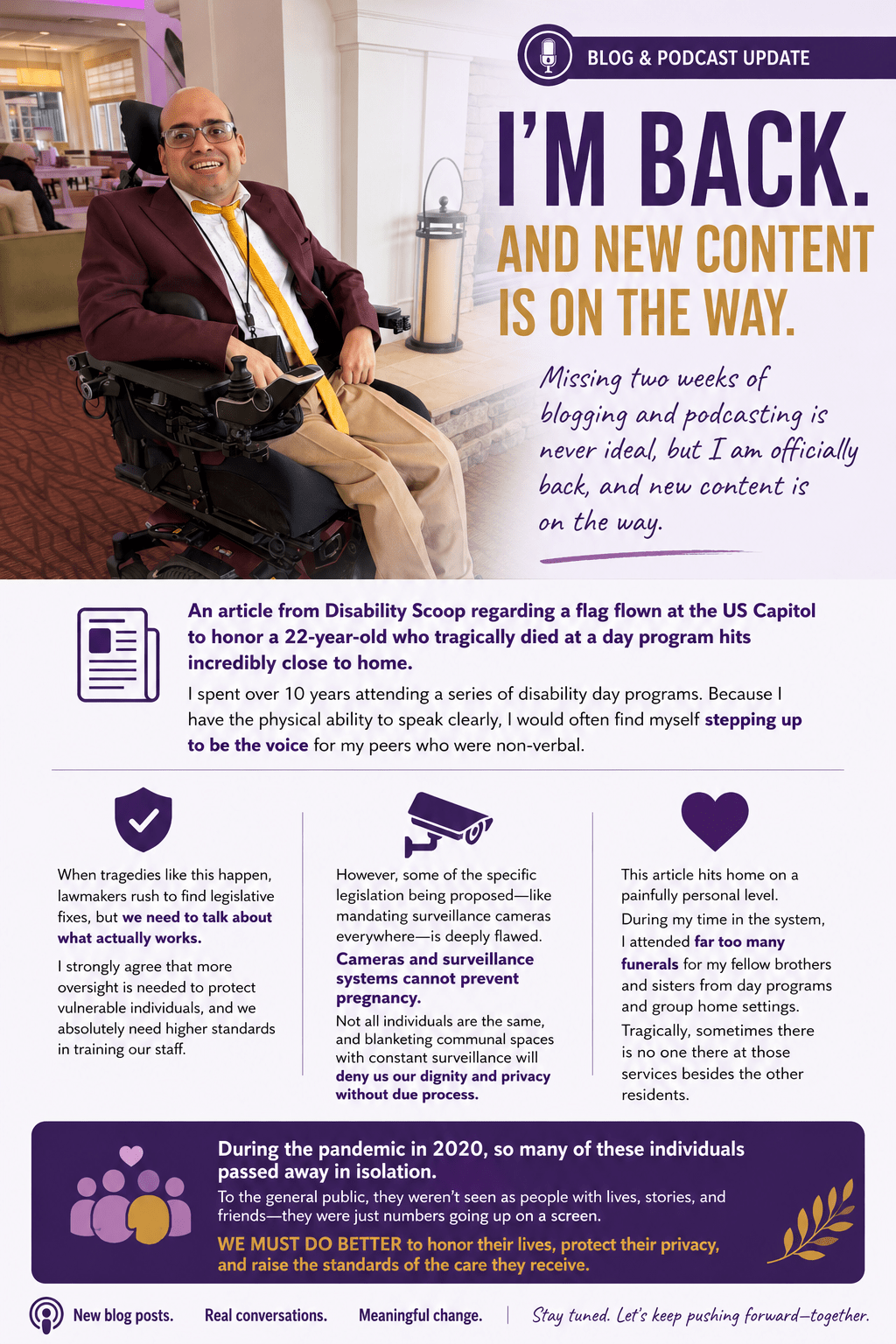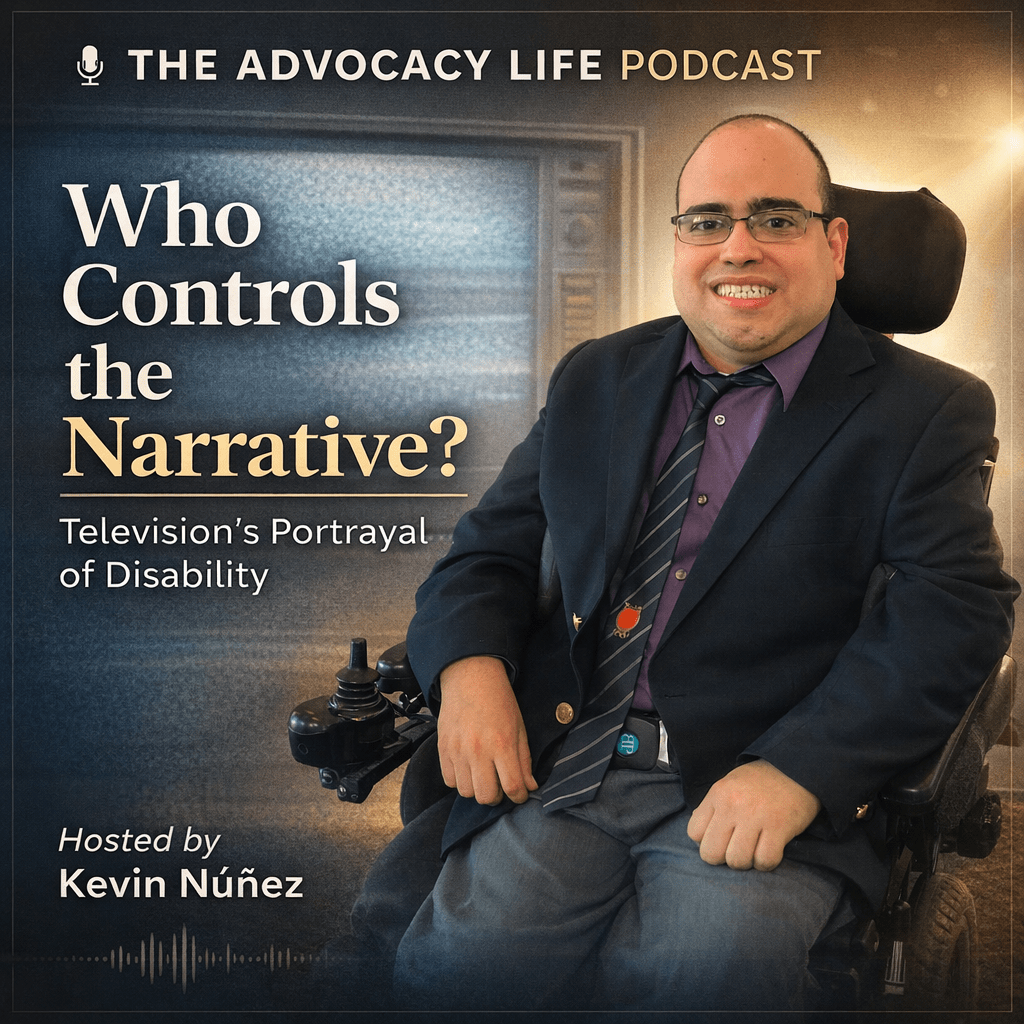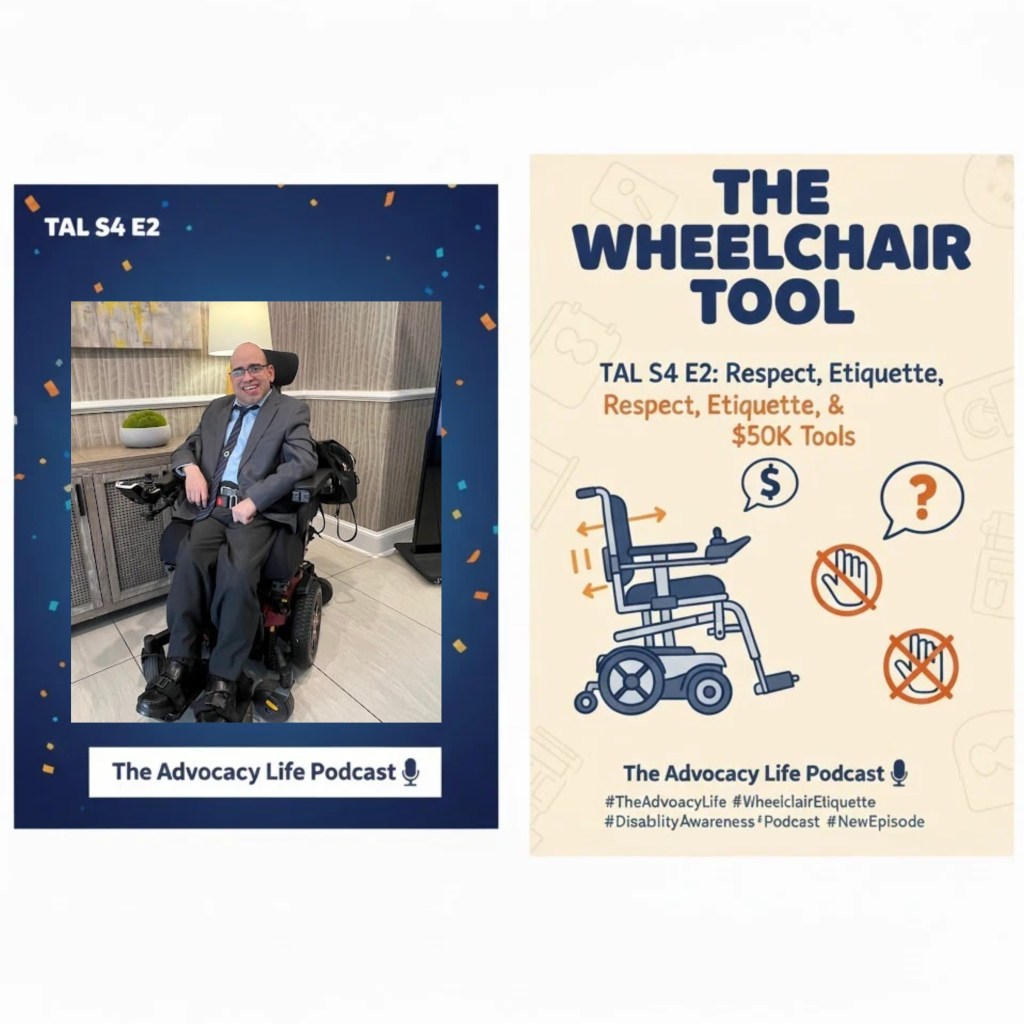
False hope can be a comforting lie, but it often leads to greater disappointment. In this powerful and incredibly honest episode, Kevin Nuñez tackles the sensitive topic of false hope within the disability community, sharing his personal experiences and why he believes brutal honesty, paired with empathy, is essential.
Evin recounts his own childhood experiences with doctors and therapists who gave his family false expectations about “walking again,” only to face repeated letdowns He argues that this practice, often well-intentioned, can be more damaging than helpful, especially for children who internalize these unfulfilled promises as personal failures This isn’t just about physical rehabilitation; it extends to broader societal interactions where people offer empty reassurances about things they don’t understand
This episode challenges us to rethink how we support and communicate with individuals with disabilities[cite: Kevin advocates for a balance of empathy and realism, pushing for genuine understanding over platitudes He asks why we celebrate minimal progress instead of recognizing the full, complex lives people with disabilities lead, and stresses the importance of fostering self-love and self-respect in a world that often measures worth by physical ability.
I’ve been thinking a lot about a question that has been on my mind lately: when did we, as a society, give up our conscience for comfort? It’s a question I’m exploring in my latest podcast episode, and it’s a topic that feels more urgent than ever.
I was recently reflecting on the world as it is now and the disturbing events we see on the news. There are tragedies that unfold in front of our eyes, like a person being stabbed to death on a train, and people just stand by and watch. This is something that would have been unthinkable not too long ago. It feels like we’ve become disconnected, isolated in our own worlds, our own bubbles.
I’ve learned a lot about getting out of my comfort zone because of my disability. My life is a constant series of adaptations, and I’ve been forced to grow and learn every single day. I’ve realized that many people who are able to walk and move around freely aren’t really going anywhere. They might be physically moving, but they have no purpose behind their steps. They’re stuck in a place of apathy and indifference.
This episode is my direct call to action to all of us. We’ve forgotten how to compromise and grow. It’s so easy to sit on the sidelines and cheer when something bad happens to a person we disagree with. But that’s not what we’re called to do. We should be praying for their families and remembering that we’re all a part of this together.
It’s time for us to pop our bubbles, America. We need to remember that our conscience is more important than our comfort. We need to be a part of the solution, not a part of the problem.
This is a powerful episode that will challenge you. Are you ready to hear what’s on my heart?
There’s no definition of “disability hierarchy,” and I think that’s on purpose. It is a construct, a trick to keep people with disabilities fighting endlessly over the same limited resources. It makes one disabled person seem “better” or “worse” than another. This artificial division only hurts us all, preventing us from focusing on the genuine problems we face.
Everyone has things they’re good at and things they’re not so good at. That’s just how people are. When someone has a disability, these strengths and weaknesses often just show up more clearly. My life is a perfect example. I need a lot of help with physical activities every day–like bathing and getting dressed. Many people might see this as a big weakness, a sign that I can’t do things on my own. I was once told that,
“Your life is simple because people do everything for you.”
My experiences have taught me something important. What seems like a weakness can hide enormous strength. At habitation programs I’ve been to, I’ve met many people who could move around much better than I. They can go to the bathroom by themselves and perform many daily tasks that I can’t. But many of these same people looked to me to speak for them. They couldn’t talk to explain what they needed or wanted. In those moments, my “weakness” became their strength. My ability to speak up, to ask for respect, and to fight for what’s right became an important asset for them.
Isaiah 45:9 NIV “Woe to those who quarrel with their Maker, those who are nothing but potsherds among the potsherds on the ground. Does the clay say to the potter, ‘What are you making?’ Does your work say, ‘The potter has no hands’?
This shows why the idea of a disability hierarchy is harmful. It makes us look at easy-to-see differences and judge who is “more disabled” or “less able.” But being able to do things isn’t just one simple thing. It’s a mix of physical skills, thinking skills, feelings, and how we talk to each other. Someone who needs a lot of physical help might be incredibly smart or have a spirit that inspires everyone. Someone who can’t speak might show so much through their eyes or actions.
My journey, from needing total physical care to becoming a forceful advocate who speaks at big events and has a popular podcast, shows how strengths and weaknesses work together. My physical “weakness” has actually made my mind sharper and made me want to fight even harder for others. It has given me a way to understand and speak up for those who might not be heard.
To move forward, we need to get rid of this harmful idea of a hierarchy. Instead of comparing needs or ranking disabilities, we must see the true worth and special talents of every person in the disability community. We need to understand that real strength comes from working together, from making each other’s voices louder, and from supporting all the different ways we give and get help. Only then can we truly unite to demand the resources and respect we all deserve. We won’t be broken groups fighting over scraps, but a strong, united force for change. This September, let’s promise to see all the different strengths in our community and say no to anything that tries to divide us.
This episode is for the guys. In “Man Talk,” Kevin gets real about the unique and often unaddressed challenges of being a disabled man in America today.
In a society that holds a narrow view of masculinity, many disabled men feel emasculated by simple acts, like having a door opened for them. The conversation goes beyond the superficial, diving into deeper fears that are rarely discussed openly—fears about being helpless around a partner, and the anxieties that come with financial disparities in a relationship
Kevin also tackles the ableist idea that people with disabilities should only date other people with disabilities, comparing it to an “ableistic” version of racial segregation
He offers an honest perspective on how dating a non-disabled person means your “honeymoon phase” as a couple will be burst almost immediately when you are in public and have to face the world together.
This episode is a confidence boost for all men with disabilities, a reminder that you are valuable and you can go after what you want. Listen to the full episode! Ready for a raw, honest conversation that doesn’t shy away from the hard questions?
In the 8th episode of season 3 Kevin gives an impassioned argument for why the disability community cannot give up. Our voices need to be heard more than ever. We may be knocked down but we are not out. It’s time for us to show our value to the rest of America. We will not go back! As always all comments are welcome.
In the 7th episode of Season 3, Kevin provides a list of tips on how to thrive in official meetings as a disability advocate. Develop soft skills so you can thrive in uncomfortable situations.
Find a good state has a disability legislative caucuses Disability Caucuses in State Legislatures – Disability Employment Policy https://share.google/zDSetCzqlGvwiUmjE
Do you want anything on your pizza? What toppings do you want on your pizza? What toppings do you not want on your pizza? Let’s assume you’re hosting a party for 10 people, and everyone wants pizza. A typical pizza usually has eight slices. Some people want pineapple, others want meat lovers, a few only eat vegetables on their pizza, and one person will only eat plain pizza. How do you raise money for the needed second pizza? Is it fair to ask people to pay for a pizza they are not planning to eat? Do you vote, and does the majority get what they want? What about everyone else? Should they go hungry? This crude scenario is an illustration of politics.
“The art or science concerned with guiding or influencing governmental policy.” -Merriam-Webster dictionary
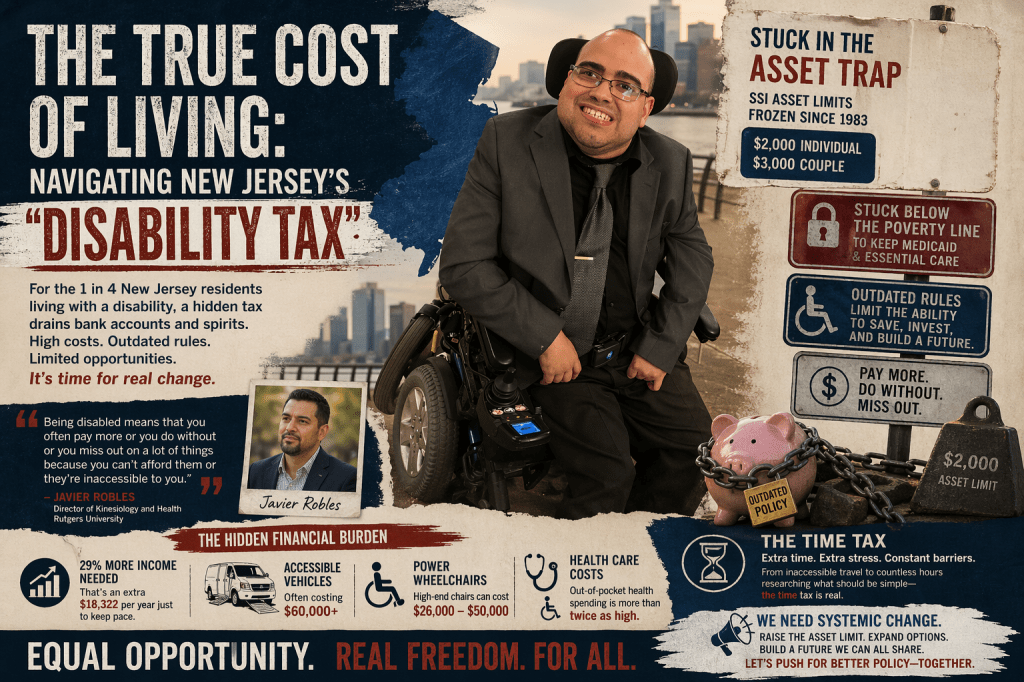
Disability is a great way to understand politics. Politics will affect you at some point in your life, and so will disability. An Inconvenient truth is that these two are linked. How much should a wheelchair cost? How much should a person be allowed to make to maintain their Medicaid eligibility? At some point, everyone uses a Walker or a wheelchair. If your loved one requires any sort of extensive rehab or care, they will need Medicaid. One in three children in New Jersey receives some sort of Medicaid benefit. There is an illusion that disability will only affect the elderly or those diagnosed early in life. Disability can affect anyone at any time. 16-year-olds can have brain aneurysms and be changed forever. Eric LeGrand was only 20 years old when he became paralyzed on a football field.
Mark 12:31 NIV The second is this: ‘Love your neighbor as yourself.’ There is no commandment greater than these.”
Disability must be part of the political discussion when children are taught civics in their social studies classrooms. Disability is a great representation of the human race. It goes beyond political parties. Don’t be so focused on the toppings on your slice of pizza that you forget about all those who need to eat from the same pie. In America, we all eat from the same pie. Political parties are not sports teams. Winning the White House should never feel like winning a World Series; it should feel like a new chapter in the great book of American history. Political parties play a vital role in the political process. However, over-reliance is dangerous. Our elected officials must always remember that they serve their constituents and not their parties. The American people must vote to hold those who are elected accountable. Casting a vote is not a decision that should be made lightly.
“Alternate domination” of one party over another, and the associated desire for revenge, could lead to horrible atrocities and ultimately, a “frightful despotism”- George Washington.
We need new disability advocates to enter the political arena and provide a fresh perspective. To remind all of us what the ideals of America should be. Disabled Americans are Republicans. Disabled Americans are Democrats. By getting a new perspective, Americans can see their boundless potential.
For the fourth episode of season 3, Kevin describes how he sees the state of the disability movement in America today. This is not factual. This is my opinion. The point is to motivate people to act. If you like this content, please subscribe for more details in the show notes.
Show Notes
Rosemary, one of the sisters of JFK & RFK Sr., was lobotomized in early adulthood. The procedure was too heavy-handed & left her significantly disabled for the rest of her life, which she spent at an institution in Wisconsin.
JFK initiated the President’s Committee for People with Intellectual Disabilities, an advisory panel tasked to provide the governing administration with recommendations & advice related to the needs & experiences of people with intellectual disabilities: https://acl.gov/programs/empowering-advocacy/presidents-committee-people.
Eunice, another sister, founded Special Olympics, which is now run by her son, Tim. Her other son, Anthony, founded & runs Best Buddies International.
The other day I was going past some old writings something I do from time to time to see how I have improved. This was one of the first pieces i ever wrote as a blog almost 10 years ago. The subject matter is still relevant today. Hope you enjoy please share.
I wanted to raise awareness to a very big problem in our world today. It rarely gets any publicity; the average person doesn’t even know about it. The truth is unless you are affected by this problem, you don’t even know it exists. The problem is the lack of pay and benefits for direct support professionals (DSPs). What is a DSP? A direct support professional is someone who is paid through a provider agency or an individual to provide support and care to a person with a disability. As long as there are people who need assistance in their lives there will always be need for these professionals. There are four groups of people who are affected by this issue. They are: the individuals receiving the care, the family of the individual, the providers, and the professionals themselves.
Let me begin by addressing the individuals receiving the care. People that have a disability will learn that they often must depend on others to assist them in one way or another. They depend on the kindness of others to help them live their day-to-day lives. Could you trust someone with your most intimate tasks if you knew they would leave in six months? Just imagine knowing you’re going to lose the person you most confide in, even before they start. People with disabilities can tell almost immediately if the person is going to be good at their job. Most of all they can tell if the person will last.
Use your imagination for this next part please. You meet a person named Matt. After meeting him for only four hours, you need a shower. He must first undress you completely. Then he puts you in a shower chair. He then proceeds to give you a shower. Matt does his best to wash your private areas. After finishing and drying you off, he begins to dress you. If the individual is so fortunate, he can direct Matt on how and what to do. The truth is there are many individuals in the disability community that cannot speak for themselves. Therefore, Matt must try to interpret what they are trying to communicate. This is just one of the many duties of a DSP. I hope this brief example can illustrate the need for these very special people.
Next, I would like to talk about the direct support professionals themselves. These professionals receive about 10 to 11 dollars an hour with no promise of growth in their career. Most providers offer little to no benefits at all (this includes sick time or health insurance). As a result if DSPs don’t work, they aren’t paid. This leads to severe burnout. Many times, they sacrifice their own health and well-being to make sure they can provide for their family and/or pay their bills. It’s ironic that they are responsible for the health and well-being of another human when, due to the lack of health benefits such as sick days, they cannot take care of their own health needs. What inevitably happens is the person leaves to another company in hopes of a dollar more. People believe they can use this job as a steppingstone toward a larger career goal. The other misconception is this job will only be a temporary solution until another opportunity opens up. They end up living paycheck to paycheck. The professional waits in limbo until they burn out or they get another job.
So why would someone do this job at all? These wonderful people do it because they care for others. They look forward to the moments when their individual lights up when they arrive in the morning for their shift. The relationship between an individual and the professional is truly symbiotic if done correctly. The individual gets a companion to help them with their wants and needs. In turn the professional should receive joy in the knowledge they are doing something to help someone live their life. Some things are worth more than money. It is truly heartbreaking when it is time for the professional to move on. The best way I know to describe this feeling for an individual, it’s like losing a loved one. For the professional, they are left with the memories of a person that has worked their way into their hearts.
The family and/or parents of an individual can also be affected by the DSP issue. Try to imagine having a 25-year-old son that you have cared for his entire life. One day someone shows up at your door ready to take him out to the park for the day. You as the parent are told almost nothing about the person who will be supporting your child for the rest of the day. By the same token, the professional knows almost nothing about the individual and the family they will be supporting. Most times both parties are just given a name with a brief description. A relationship of trust has to be formed out of thin air. This sadly is one of the best-case scenarios. Most individuals as they get older lose their family and the professional becomes, by default, their brother, mother, etc. Depending on the individual’s disability, they will rely on their “families” in almost every way. They need an advocate, a caregiver, and a friend. Could you imagine learning to give your complete trust to a stranger every six months?
The final group of people that are affected by the DSP issue are the provider agencies. The turnover rate in this industry is incredibly high. Providers cannot keep their staff. They spend money training these professionals and then they quit a few months later. The money is lost. The rates for these staff and providers have not been increased in approximately 10 years. For example if the state allows $15 per hour to a provider, and $10 goes towards the DSP, that leaves the provider with only five dollars to spend subsequent overhead, including important items like gloves and vehicle maintenance. The providers cannot give their staff benefits or raises if they are barely able to keep themselves above water.
The direct support professional problem in my humble opinion has reached crisis levels not just statewide but nationally as well. As long as there are people, people will always need care. This industry is not going away any time soon. The system will never be perfect but something needs to be done now. This needs to be a call to action. We need to contact our state and federal officials to educate them on this very real problem. If we don’t act now people with disabilities may not have people around us to help us live our lives.