
Subscribe to continue reading
Become a paid subscriber to get access to the rest of this post and other exclusive content.
Become a paid subscriber to get access to the rest of this post and other exclusive content.
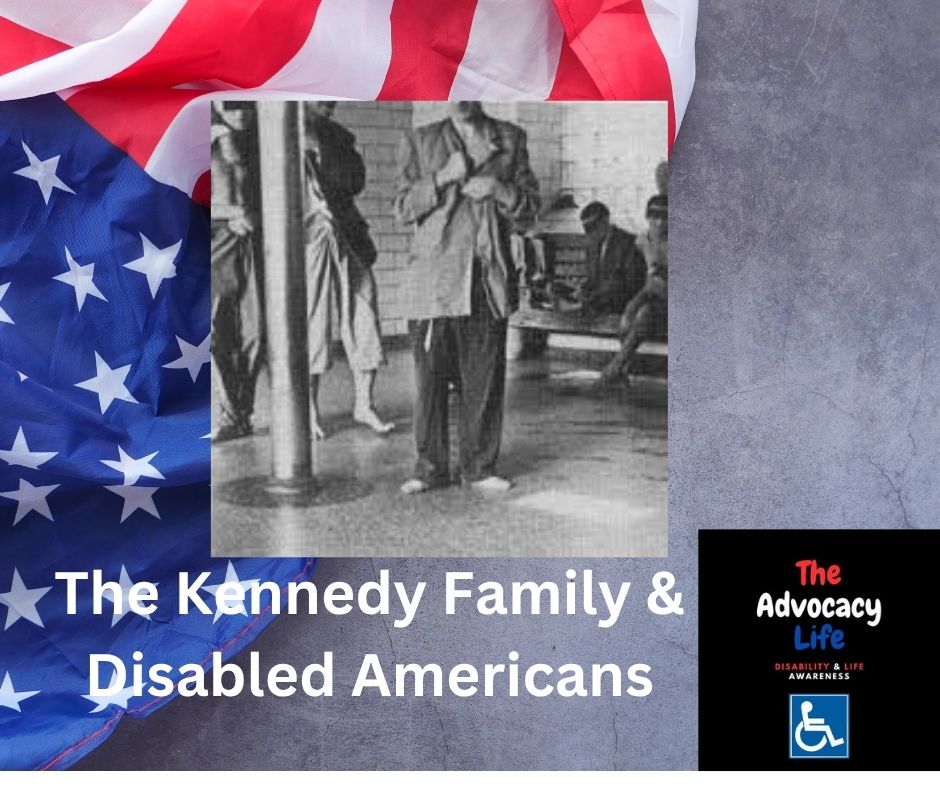
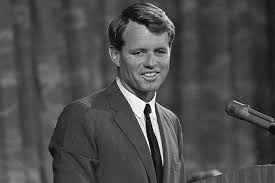
“A snake pit, where they live in filth and dirt, their clothing in rags, in rooms less comfortable and cheerful than the cages in which we put animals in a zoo.”
Robert Kennedy Senior made this statement when he was visiting Willowbrook in 1965.
Willowbrook State School was a state-supported institution for children with intellectual disabilities. Designed to accommodate 4,000 children, by 1965, Willowbrook had a population of 6,000, and a scandal soon erupted over news of the institution’s horrendous conditions and questionable medical practices. It was not closed for another 2 years despite all the outrage. Would you want your child to live in these conditions?
Disability does not have a political party. A disability does not have a skin color or a specific ethnic race. Disability is America. The only two things certain in this world are death and disability. What makes America great is that we learn from our past so we don’t repeat the mistakes we have made. Disability is not waste, fraud, or abuse. Disability is an example of Hope and prosperity in the American dream. The American Disability community is an example of living prosperity and endurance.
It’s hard to pinpoint the exact birth of the disability rights movement because disability has been around since the beginning of time, and it will be there until the end of days. America was introduced to the harsh reality of abuse through Robert Kennedy Sr.’s poignant account. Devoid of proper respect and support. Our community faces suffering and death. An autism diagnosis is not evil or a death sentence. A wheelchair is not a confinement, but a tool for opulence.
This is the current battle that disabled America is facing. We won’t stand for our brothers and sisters being locked up. We aim to help people live fulfilling lives. In the land of the free and the brave, we uphold truth, justice, and the American way as a testament to our identity. Living with a disability presents many challenges. While that’s a fact, things worth pursuing are rarely simple.
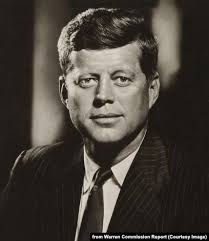
“We choose to do these things not because they’re easy, but because they’re hard.”
President John F Kennedy made this statement when referring to reaching the Moon in a decade. We have the same privilege to reach for the same stars as anyone else. In America, we do not fear challenges; we embrace them so we can grow. America today is making choices out of fear and misunderstanding. I believe in America, I believe in its people. We still have time to change course. To see value in all of us. Our chosen elected officials need to listen to us.
'“ Do not seek revenge or bear a grudge against anyone among your people, but love your neighbor as yourself. I am the Lord. 'Leviticus 19:18
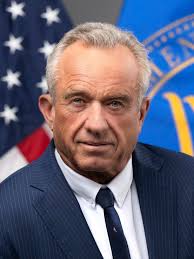
“I don’t think people should take medical advice from me.’
This statement was made by Robert Kennedy Jr. The current Secretary of Health and Human Services. There will always be misconceptions around disability and our healthcare. However, if we are left out of the conversation, we cannot help the country move forward. The current administration and the disability community cannot be enemies, we must be allies to achieve tomorrow’s victories. Without disability, America will fail because we are America.

Read more of this content when you subscribe today.
Choose an amount
Or enter a custom amount
Your contribution is appreciated.
Your contribution is appreciated.
Your contribution is appreciated.
DonateDonate monthlyDonate yearly
When I’m writing, a debate is going on at 1:00 in the morning on the current administration’s reconciliation bill. This is America’s future.. I am not a liberal. I love the Democratic process. Where the people we elect, those whom we choose to trust, are supposed to have our best interests in mind. I will not post this until Thursday afternoon. By then, we will know what happened. I want people to understand how those with disabilities will be affected, at least one person.
The Medicaid program will receive drastic cuts. I’m going to tell you exactly how these cuts would affect my family directly. I acknowledge and understand that I am blessed and fortunate because of my efforts in the advocacy world. I want you to think about others who are not so fortunate. I’ve seen the models that are predicted, at a minimum of 10%. These cuts are like a square peg in a round hole. It doesn’t work! I receive Home and Community-Based Services (HCBS) under a waiver program in New Jersey State Medicaid. This program is legally optional in every state, meaning this will be the first thing to go.
Matthew 25:40 NIV “The King will reply, ‘Truly I tell you, whatever you did for one of the least of these brothers and sisters of mine, you did for me.’
My fellow Americans, individuals with disabilities, we are not a terrorist organization. We want to help our nation grow, not hurt it. Is this what you want to hurt your neighbors, your family, and your friends? How will you be able to sleep when all these changes roll out? Have a good night, and may God bless America.
Read more of this content when you subscribe today.
Choose an amount
Or enter a custom amount
Your contribution is appreciated.
Your contribution is appreciated.
Your contribution is appreciated.
DonateDonate monthlyDonate yearly
Become a paid subscriber to get access to the rest of this post and other exclusive content.
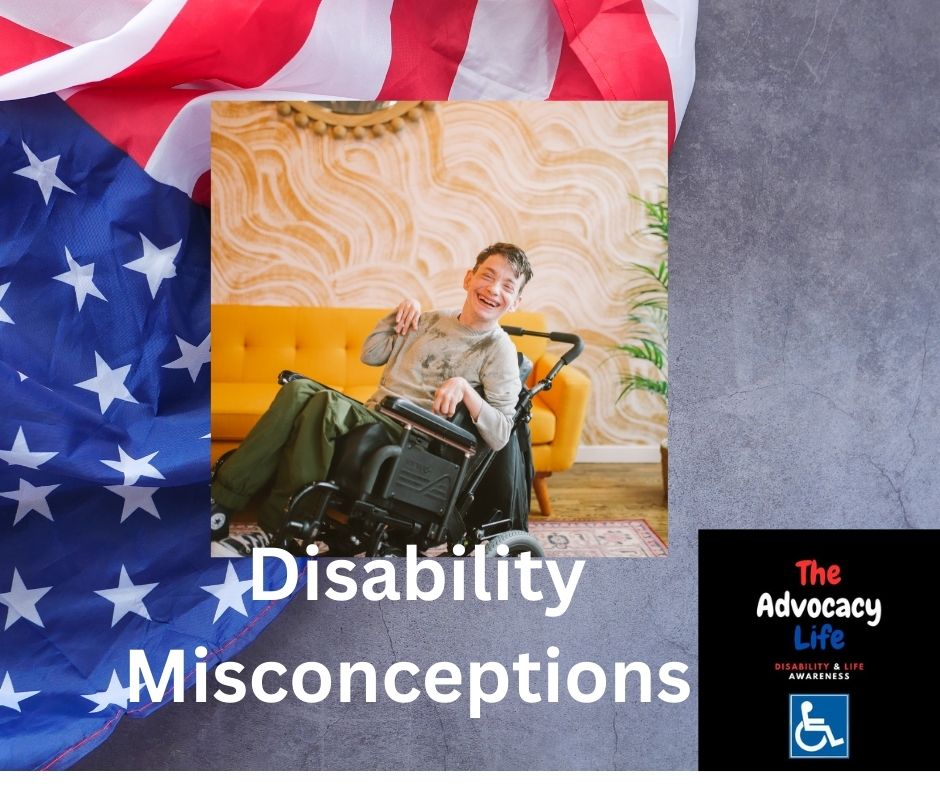
Every now and then, I get frustrated—not because I’m angry at individuals, but because there’s still so much misunderstanding about disability. What seems straightforward to me often isn’t to others. So, instead of stewing about it, I’ve decided to put together a list of things that I hope will help educate and shift perspectives.
Luke 6:31 NIV 31 Do to others as you would have them do to you.
1. Not All Disabilities Are the Same
We say “everyone is different,” yet so often people treat disability like a one-size-fits-all label. You could line up ten people with the same medical diagnosis, and each one would be affected in a completely different way. Needs, goals, and abilities vary from person to person. What someone can or can’t do depends on a mix of their individual abilities, the support they receive, and the resources available to them.
2. We’re Not Here to Inspire You—Just to Be Your Equal
It shouldn’t be “inspirational” just to see someone with a disability walking down the street. And yet, when we live independently—with the right support—people often question it. Why? We’re just living our lives like anyone else. We want to be treated as equals, not exceptions.
3. Be Flexible
Life doesn’t always go to plan for anyone—and that includes those of us with disabilities. Flexibility, patience, and understanding go a long way when you interact with us. A rigid mindset helps no one.
4. Hollywood Gets It Wrong—A Lot
Movies often miss the mark when it comes to portraying disability. Sure, actors like Tom Hanks and Cuba Gooding Jr. have received awards for their roles, but their performances don’t always reflect reality. Times have changed, and so have our perspectives. It’s important to remember that what you see on screen is entertainment—not education.
5. Ask Questions—Just Be Respectful
Curiosity is fine. But respect is essential. If it’s something you wouldn’t want to be asked or called, don’t say it to someone else—disability or not.
6. Disability Doesn’t Discriminate
It doesn’t care about your skin color, background, or bank account. Anyone can be affected. And just because something is written in a study online doesn’t mean it reflects the lived reality of everyone.
7. We Get Tired Too
Yes, everyone gets tired. But for many people with disabilities, there’s no “clocking out” at the end of the day. The challenges don’t stop at 5 p.m. Sometimes you just don’t want to use the wheelchair or the communication device. And speaking of that—imagine how exhausting it is trying to communicate when you can’t speak.
8. Laugh With Us, Not At Us
Humor is powerful—and we love to laugh! But make sure you’re laughing with us, not at us. That small shift makes all the difference.
9. Don’t Pity Us—Just See Us
We know life isn’t easy. But we’re doing our best, just like you are. We don’t need pity. We need understanding, support, and a fair shot.
I know this list isn’t revolutionary, and it might not be the most eloquent thing you’ll ever read. But I’ve kept it simple for a reason: clarity helps change hearts. Maybe someone will print this out and stick it on the fridge. Maybe the next time they meet someone with a disability, they’ll see the person—not just the label.
Thanks for reading. Be kind. Be curious. Be human. Good night, friends.
Read more of this content when you subscribe today.
Choose an amount
Or enter a custom amount
Your contribution is appreciated.
Your contribution is appreciated.
Your contribution is appreciated.
DonateDonate monthlyDonate yearly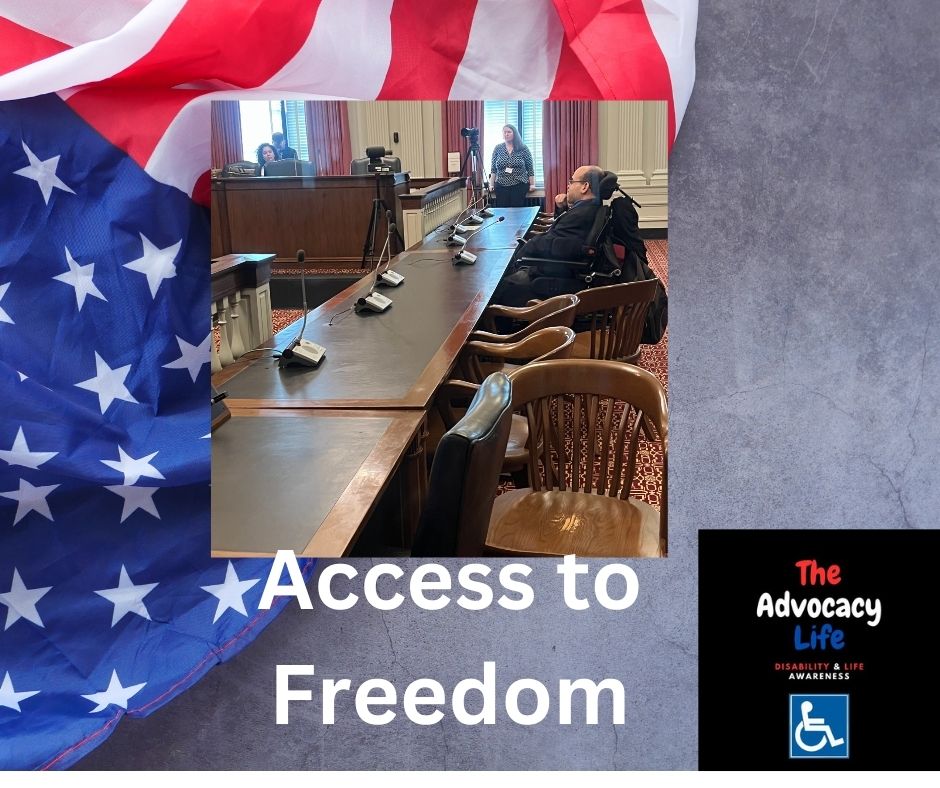
On May 6, 2025, I had the honor and privilege of testifying in front of the New Jersey State Assembly Health Committee. Here is a copy of my submitted testimony. At the bottom, you will find news coverage video of the event. Hope you enjoy and have a good day.
Assemblyman Carol Murphy and members of the Health Committee:
My name is Kevin Nunez. I am a disability advocate. I also belong to a number of advocacy groups, and I am a Governor Appointee to the NJ Council on Developmental Disabilities.
I’m honored to come before you today as one of the approximately 200,000 individuals with disabilities who receive some sort of Medicaid assistance. The Medicaid program is not only a “safety net.” It is much more. It is a “lifeline.” Medicaid is the key to unlocking access to my community, to my purpose, and my freedom as a human being. Any cuts or caps to the Medicaid program will bring about immeasurable harm to the most vulnerable population across the beautiful Garden State.
According to the New Jersey Council on Developmental Disabilities (NJCDD) statement on Protecting Medicaid:
“Medicaid is a critical funding source for people with disabilities to receive safe and adequate care within their communities. Medicaid funds the vast majority of services and community-based supports for individuals with intellectual and developmental disabilities (I/DD). In fact, in order to receive any kind of services through the NJ Division of Developmental Disabilities, residents MUST be Medicaid-eligible. Far more than simply paying for visits to the doctor, Medicaid funding allows people with I/DD to access in-home supports; day programs; job coaching and employment support; respite services for their loved ones; physical, cognitive, and behavioral therapies; prescription drugs; medical equipment; and much more. In New Jersey, nearly 200,000 individuals with disabilities rely on Medicaid for healthcare and disability-related support services.”
My life and the lives of so many others mirror this statement.
Because of my physical disability, access to Medicaid has been critical. Because of Medicaid, I can live in my home with my family since Medicaid funding has made my home accessible. Because of Medicaid, I can rely on trained support staff to come to my home and assist me with all personal care needs so that I can participate in daily activities. Because of Medicaid, I am a healthy contributing member of my community and have accomplished more in the past 35 years that anyone thought was possible. Medicaid saves lives by giving people with disabilities the opportunity to have a life that they chose and that meets their unique needs. Medicaid is a win-win. With Medicaid, folks with disabilities can have jobs, and the people supporting the individual also have jobs. As I grow older, my needs will change. Medicaid allows flexibility and choice throughout our lifespan.
I cannot stress enough about how important stability is in our lives. It is critical that we are not always worrying about tomorrow. These past few months have been very concerning as we listen to policymakers talking about cuts to Medicaid and not knowing how that will impact our lives.
The Medicaid program must continue to provide stability and the level of necessary support so that we remain active, healthy, contributing members of society and not a burden to society.
I’ve seen models and predictions about what could happen if there was just a 10% Medicaid cut.
I’m here to tell you, on a practical level, the ripple effects of any cut will be felt, not for 4 years but for generations to come.
In order for New Jersey to be fair and strong, we all need to do our part.
My message is: No cuts, no caps!
New Jersey’s future is in your hands right now.
Paid subscribers,
since you pay for Early my website here is the first preview of the new season of my podcast. Please provide feedback.
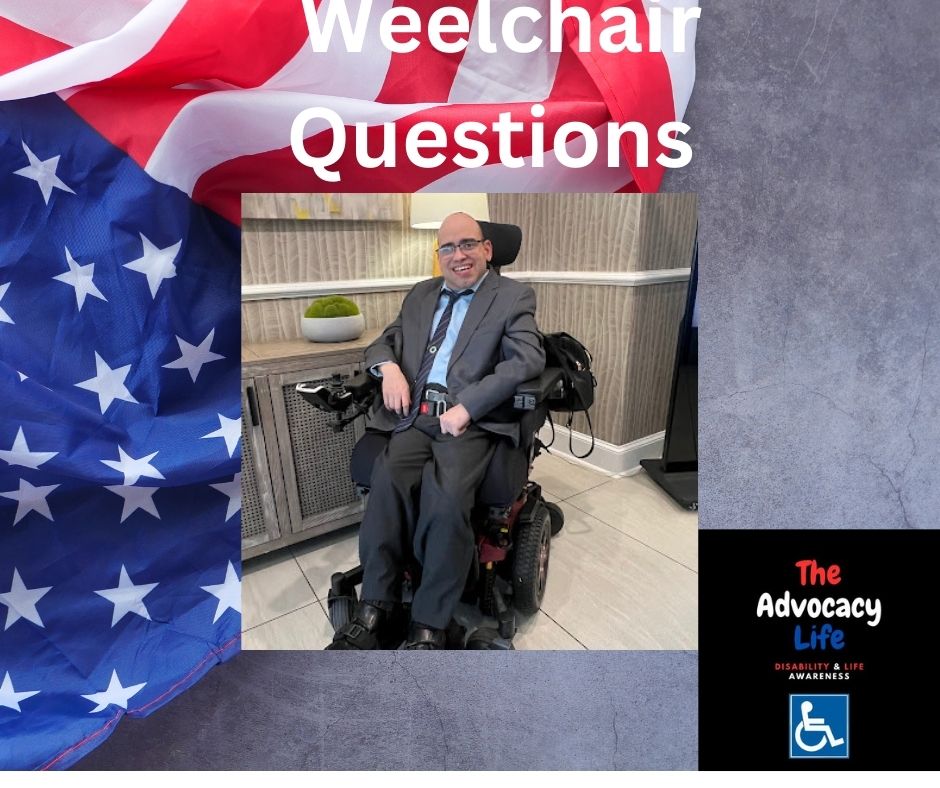
Every time someone sees my wheelchair for the first time, I get a lot of questions. “How much did it cost?” “Is it comfortable?” The most common one? “Do you need a license to drive that thing?”
So here are a few answers: It cost just over $50,000. No, it’s not about comfort—it’s a tool that gives me access to the world. And no, you don’t need a license to operate an electric wheelchair.
This 300-pound machine is my lifeline. I don’t love it, but I treat it with care—because I have to. It’s been five long years since I even became eligible to apply for a new one.
People often joke that it must be fun to cruise around all day. What they don’t see is the exhaustion that comes with being in the same position from the moment I wake up until I go to bed—especially on busy days. They smile when they see me recline in my chair, but they don’t realize I do it to prevent pressure sores. If I don’t, I could literally die from one.
Thanks to God’s grace, I’ve never had one—but I won’t lie, it’s my biggest fear. Even Christopher Reeve, with all his resources, passed away from a bedsore.
1 Thessalonians 5:18 NIV [18] give thanks in all circumstances; for this is God’s will for you in Christ Jesus.
There’s a whole world of challenges most people don’t notice: Going around the block just to find one curb cut. Never being able to see over a counter. Being invisible in a crowded room—until someone bumps into me and then apologizes like it’s their worst mistake.
Please, don’t feel sorry for me. That’s not why I’m writing this. This is about awareness. About understanding.
Take care of yourself. I hope you never need a wheelchair—but if you do, maybe now you’ll have a better idea of what it means to live in one.
Read more of this content when you subscribe today.
Choose an amount
Or enter a custom amount
Your contribution is appreciated.
Your contribution is appreciated.
Your contribution is appreciated.
DonateDonate monthlyDonate yearly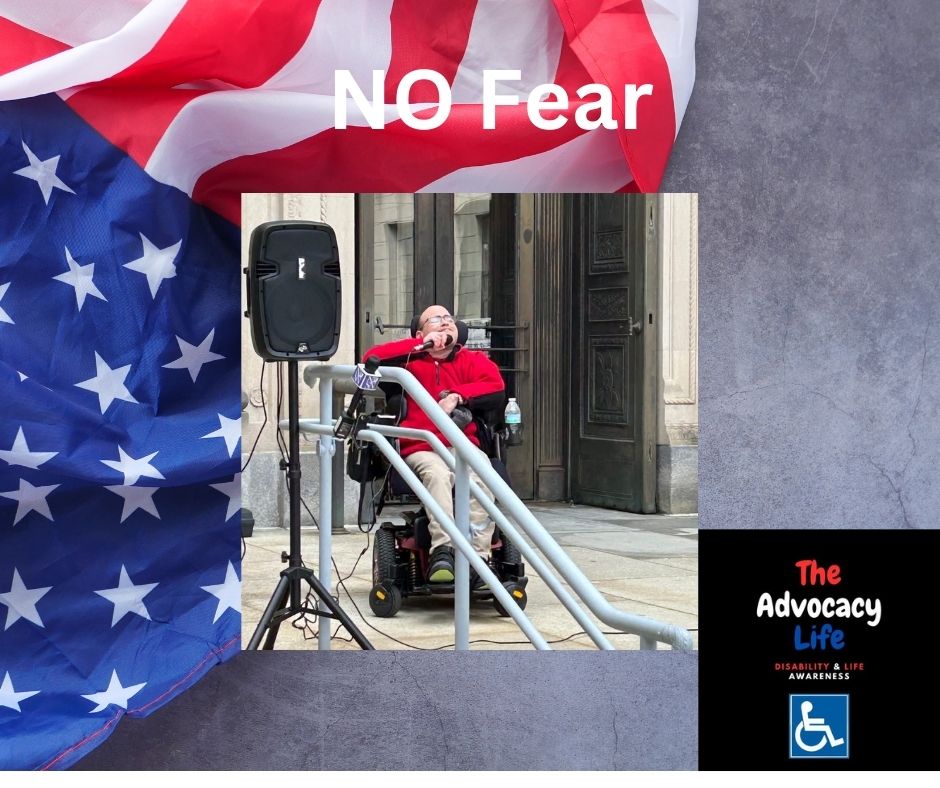
My fellow individuals and families living with disabilities. No matter what you’re diagnosed with, whether your disability is visible or invisible, the truth is we face difficult times. What can we do about it? Disabled Americans are Americans. We must remind our neighbors that we do exist. That we can and do lead productive lives. Don’t go back in isolation. Don’t go back to being treated like a plant or a house pet. Be the human being you were made to be. Go out to the store and run your errands. Go bowling with your friends. Go out to dinner and order that steak.
If you are an individual with more significant needs, then encourage your family or caregivers to take you out to those stores so people can see you and see that your life has value. Show them what matters in this world. Money and possessions will only be temporary. We live in a world where people project false faith. Some folks have to see it before they believe it.
John 20:25 NIV So the other disciples told him, “We have seen the Lord!” But he said to them, “Unless I see the nail marks in his hands and put my finger where the nails were, and put my hand into his side, I will not believe.”
We were made to be more than “inspirational’’ right now, that might be what this world needs. Fighting is inevitable, but the way we fight is just as important as what we’re fighting for. Engage in battle using your words and spirit. Not with anger and violence, because that is what they want. It is up to us to change the narrative. To lead by example, not from the shadows, as some are doing today. Disability is not a partisan issue. It is a natural part of human existence. When you frame your proposals, your presentations, and your peaceful protests, show them that it makes “common sense” to support individuals and families with disabilities. Show them that by not supporting us, they’re only doing themselves harm. We might have been born disabled, but everyone else is just temporarily abled. People only support disability unless they’re affected by it.
The time is now to affect their lives with our disabilities. With our perceived weaknesses, help them see our strengths. This cannot wait until tomorrow. This cannot wait until the fear subsides. We must lean on each other so we don’t break. Our journey is long; our struggle and challenges are ever-present. We have the advantage because we were born resilient. We were bred for this battle. They’re not. They protect fear because they are afraid. They bluster because they don’t understand. They boast because they are afraid to lose. Disability is not to be feared. Disability is not a curse or a punishment. It is a platform to show their true values in life. I would like to close with this question: if you were the holy creator, would you use your strongest warriors for the easy battles or save them for the ones you need to win?
Read more of this content when you subscribe today.
Choose an amount
Or enter a custom amount
Your contribution is appreciated.
Your contribution is appreciated.
Your contribution is appreciated.
DonateDonate monthlyDonate yearly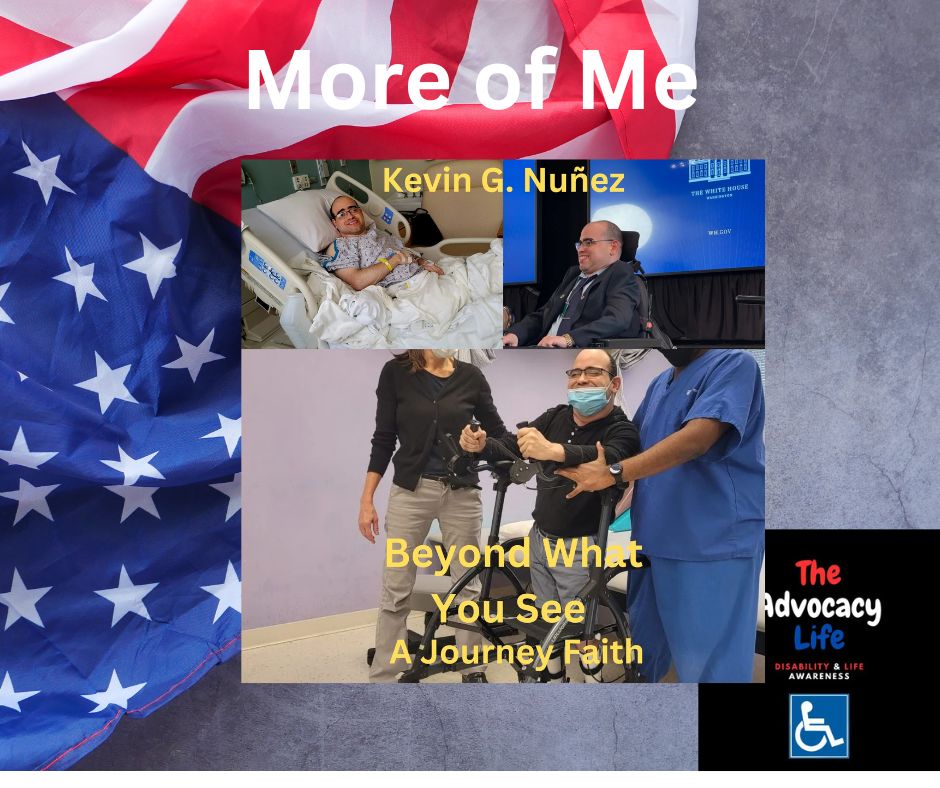
Everyone requires assistance sometimes; I’m no exception. As some of you know, my book came out late last month. Beyond What You See, a Journey of Faith is now available on Amazon. I need people to see my heart on a page. Below, you will find a very short excerpt from that book. If you’re comfortable, please buy a copy and leave a review. Even if you don’t feel like it’s a good book, just be honest. The book is also available in audiobook As always, thank you for your time, and see you next week.
Do you remember where you sat on the first day of high school? Most travel with someone with whom you shared a mutual interest. Perhaps you shared physical characteristics. I’m chuckling as I’m writing this. In some ways, part of us have not left that lunch table. There’s an entire field of study dedicated to how humans interact with each other. People claim to be “open-minded,” but I have a little secret for you: we are like-minded, not open-minded. Sure, we can have a conversation around the water cooler. People sympathize with someone for a given time. Honestly, we only go so far outside of our comfort zone.
Folks today simply do not know how to communicate effectively. One of my favorite parts about going to Puerto Rico every summer as a boy was that I always met new family members. We would know everyone’s life stories within 20 minutes and then start dancing. On my father’s side, my grandfather was one of 10 kids! Nowadays, at all events across our nation, there’s a line of chairs up against the wall with people on their phones. Sometimes texting the person three chairs down! Theoretically, we should know each other better than ever. However, unless we see someone’s birthdays on our Facebook page, they will forget all about them. How sad is that?
In the year 2025, we all practically have instant communication. Yet there is more division and arguing amongst family and friends than ever. Before people sit down to eat, they intentionally make a list of subjects not to talk about. We have become afraid to speak to each other! Subjects that should be said are not. More importantly, topics that should be said are silenced.
Be wise in the way you act toward outsiders; make the most of every opportunity. Let your conversation be always full of grace, seasoned with salt, so that you may know how to answer everyone.
Colossians 4:5-6
My freshman year of high school was tough. Every day, I sat alone at a table, eating my cold sandwich and oversized pickle. I was the guest of honor at my very own pity party, and I was upset that my first relationship ended abruptly. My friend group dissolved in the summer between 8th and 9th grade. From the corner where I sat, I could see the entire student body. They all had to walk by me if they wanted a snack. I should have had a conversation every time someone bought a 50-cent cookie or a 75-cent honey bun from the snack bar, but I never noticed that I was seated directly parallel to it. Instead, all I did was stuff my face.
 The Advocacy Life Podcast & Blog