Tag: Commentary on Society

  • The Heart of an Advocate

    The Heart of an Advocate


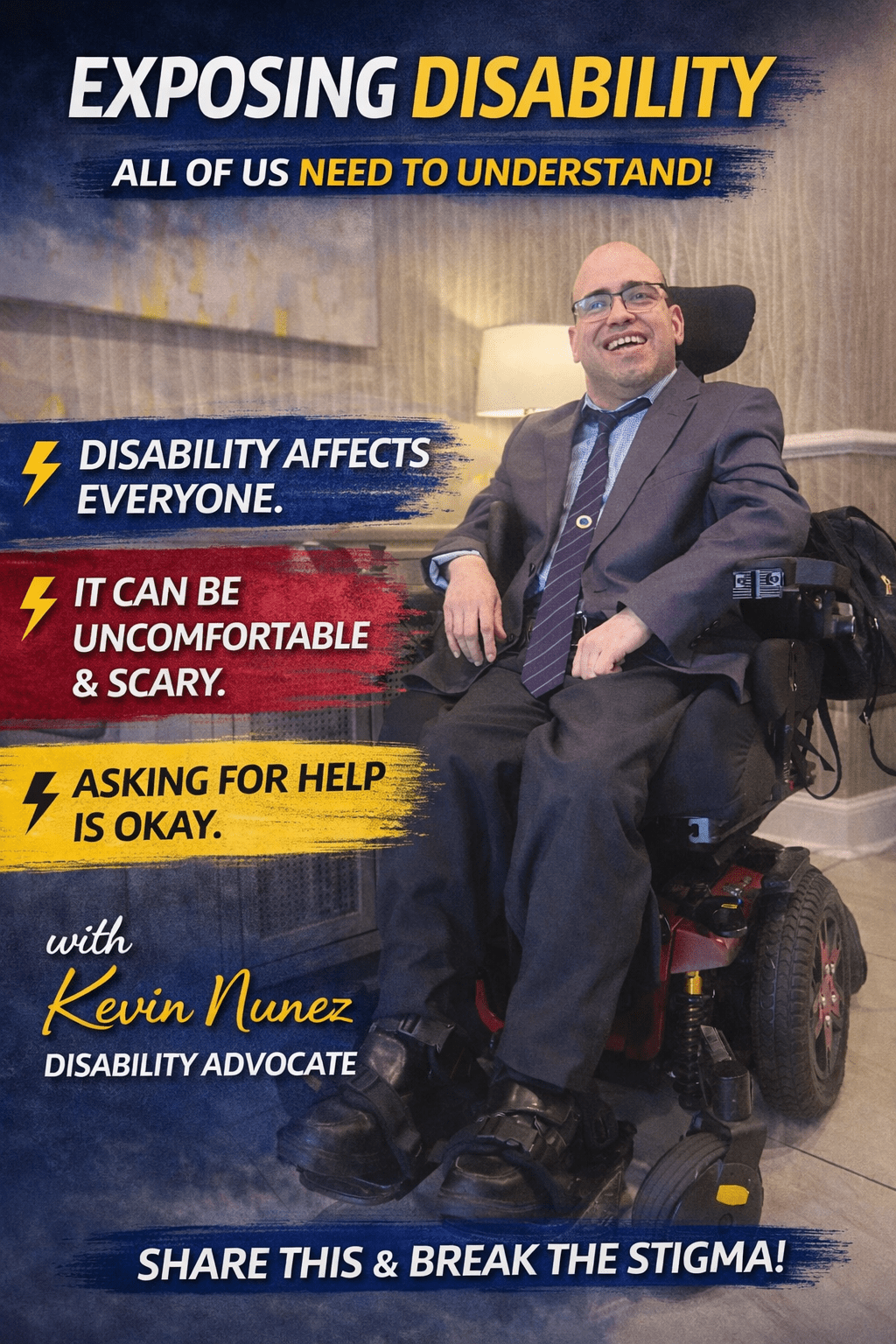
    There’s no way around it: living with a disability is difficult. But choosing to be an advocate and a leader for the disability community? That is even harder.

    Welcome to our latest Community Blog installment. Here at The Advocacy Life, we believe in pulling back the curtain on what it truly means to represent a movement. Often, when people think of leadership, they think of “fame, fortune, and finish lines.” But in the world of disability advocacy, the reality looks a lot different.

    If you are looking for a get-rich-quick scheme, advocacy is not it. More often than not, there is no money involved. At best, you might be reimbursed for your expenses; realistically, you’ll likely lose more financially than you’ll ever gain.
    It isn’t about fame, either. I’ve been blogging for four years, and I haven’t hit 500 followers. On YouTube, I’m under 200. These aren’t the kind of metrics that make you a “social media influencer.” And let’s be honest—it doesn’t exactly help your dating life. There is nothing less “impressive” to a potential partner than saying you stayed up all night drafting bylaws for a non-profit organization.

    It isn’t even about job security or status. If I resigned tomorrow, the mission would continue. Someone else would step in to fill the seat. So, if there’s no money, no fame, and no status, it leads to one fundamental question:

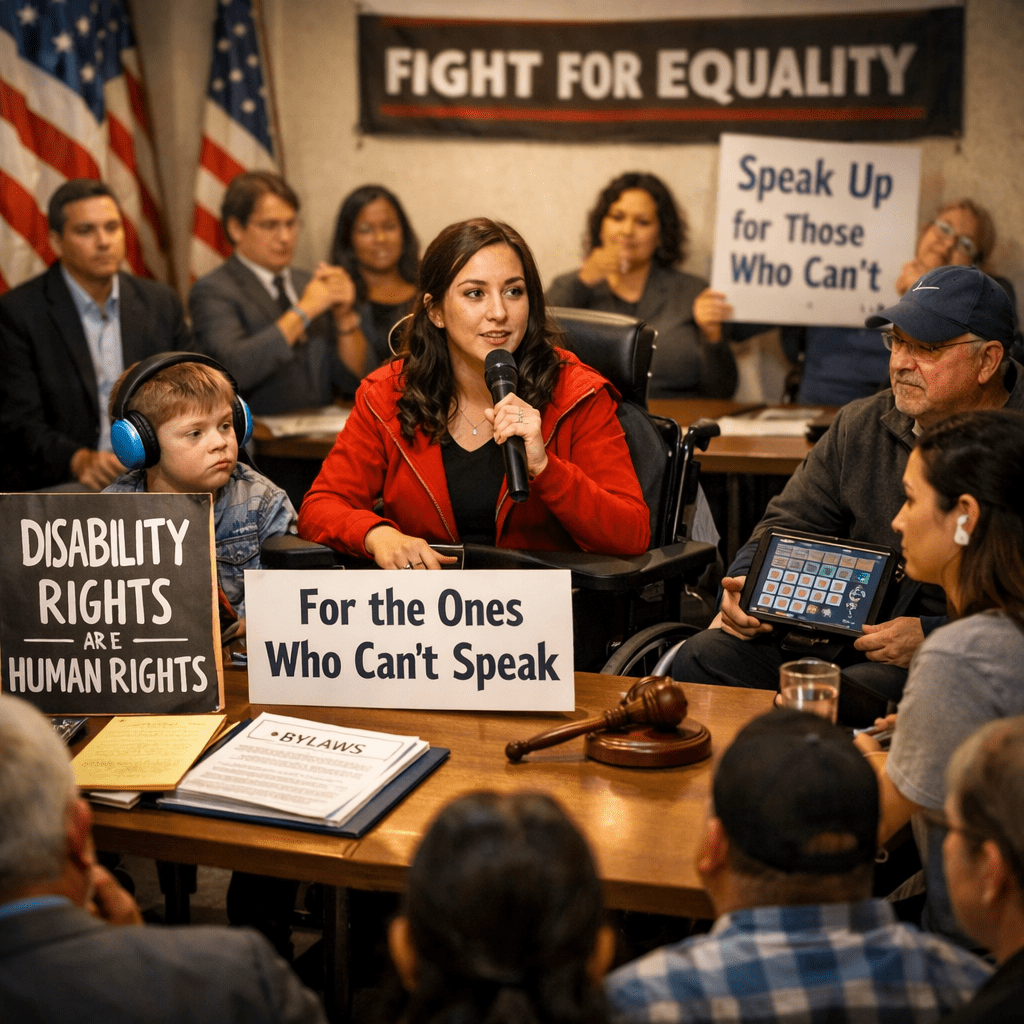
    For the Ones Who Can’t Speak
    The reason I choose to dedicate my life to this work is simple: I do it for the ones who can’t speak for themselves.
    I have a profound love for my brothers and sisters who are non-verbal. I love the way they communicate their needs and desires through action, presence, and spirit, even when they can’t find the words. I consider it a sacred responsibility to be the interpreter for those who just need a little extra time to be understood.

    When leaders or policymakers call me for input, I don’t pick up the phone for credit. I pick it up because there is an unmet need in our community, and someone has to “man up” or “woman up” to address it.

    It infuriates me when I hear people say, “I can’t be an advocate  or “I’m just not the advocacy type.” When you live with a disability, this is your community. These are your people. Whether you like it or not, when you speak up, you aren’t just speaking for yourself—you are speaking on behalf of a community. Yes, your individual circumstances are unique, but your voice contributes to the collective volume of our movement.

    When you choose silence, or when you say you “can’t do it,” you aren’t just letting yourself down—you’re letting down the community you are a part of. You are letting down a vital part of the American story.

    To my fellow men and women with disabilities: we need you. The future of our rights and our resources depends on a collective effort. We cannot build a better future if only a few of us are willing to do the thankless work of drafting bylaws, attending meetings, and speaking truth to power.

    If you feel like you don’t know how to start, reach out to us. That is why this Community Blog exists—to provide the tools, the encouragement, and the platform for others to find their voice.
    We need to get together now, not later. Because when we speak together, we create a future where everyone is heard.

    Thank you for reading this week’s Community Blog. If this resonated with you, please share it with a fellow advocate who needs to hear that their hard work—even when unpaid and unnoticed—matters.Keep on rolling. Keep on living.

    Listen to the blog here

    The Podcast

    Published Books

    Subscribe to Letter from Limbo

    Read more of this content when you subscribe today.

    One-Time
    Monthly
    Yearly

    Make a one-time donation

    Make a monthly donation

    Make a yearly donation

    Choose an amount

    $1.00
    $3.00
    $5.00
    $5.00
    $15.00
    $100.00
    $5.00
    $15.00
    $100.00

    Or enter a custom amount

    $

    Your contribution is appreciated.

    Your contribution is appreciated.

    Your contribution is appreciated.

    DonateDonate monthlyDonate yearly
  • The Power of Disabled Siblings Podcast Episode

    The Power of Disabled Siblings Podcast Episode

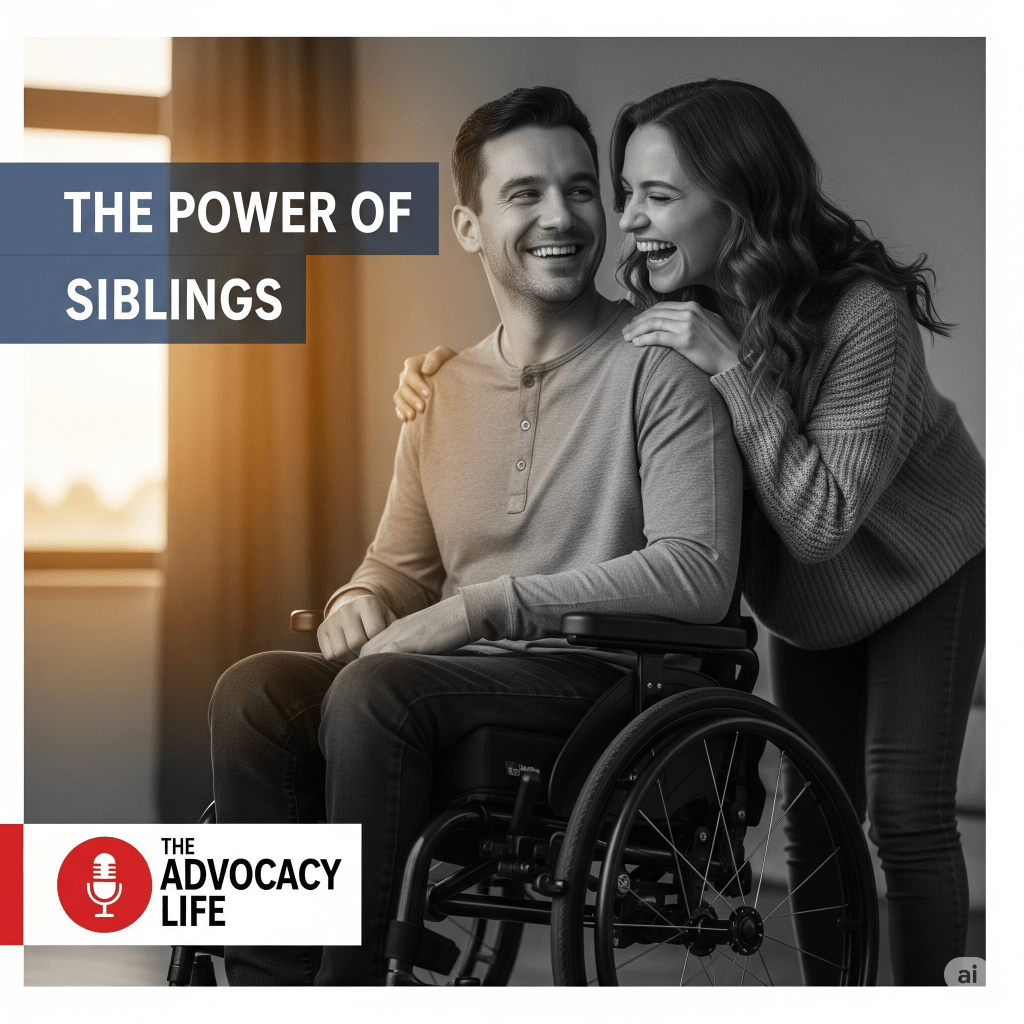
    A sibling is more than just a family member; they are often your first advocate, your best advocate, and in some cases, your only advocate. The bond between a disabled individual and their sibling is a powerful and life-saving one, a truth I know all too well.

    I was born a twin. My brother, who is also disabled, is the wisest, most empathetic person I know, and even though he might need the most physical support, he is the one we all go to for advice and guidance. In this episode, I share a perfect memory of us as kids, passing a bottle of soda back and forth in a car on a hot day in Puerto Rico . It was a simple, unspoken moment of, “I got you, you got me”.

    But this episode is not just about him. It is also a love letter to my other sibling, my sister, who I was not blood-related to but who was “literally the best sister in the world”. She and my brother both held up my own light for me to see it and showed me that I was not weak or helpless. They both saved my life.

    Our parents will love and protect us, but they will be reminded every day that they have a disabled child. A brother or sister, however, will see you simply as their sibling.

    This episode is a tribute to that unbreakable bond, a raw and emotional look at the power of siblings.

    Episode Transcript

    The Podcast

    Published Books

    Subscribe to Letter from Limbo

    Read more of this content when you subscribe today.

    One-Time
    Monthly
    Yearly

    Make a one-time donation

    Make a monthly donation

    Make a yearly donation

    Choose an amount

    $1.00
    $3.00
    $5.00
    $5.00
    $15.00
    $100.00
    $5.00
    $15.00
    $100.00

    Or enter a custom amount

    $

    Your contribution is appreciated.

    Your contribution is appreciated.

    Your contribution is appreciated.

    DonateDonate monthlyDonate yearly
  • Be An Advocate Podcast Episode

    Be An Advocate Podcast Episode

    Description

    In the 7th episode of Season 3, Kevin provides a list of tips on how to thrive in official meetings as a disability advocate. Develop soft skills so you can thrive in uncomfortable situations.

    Show Notes

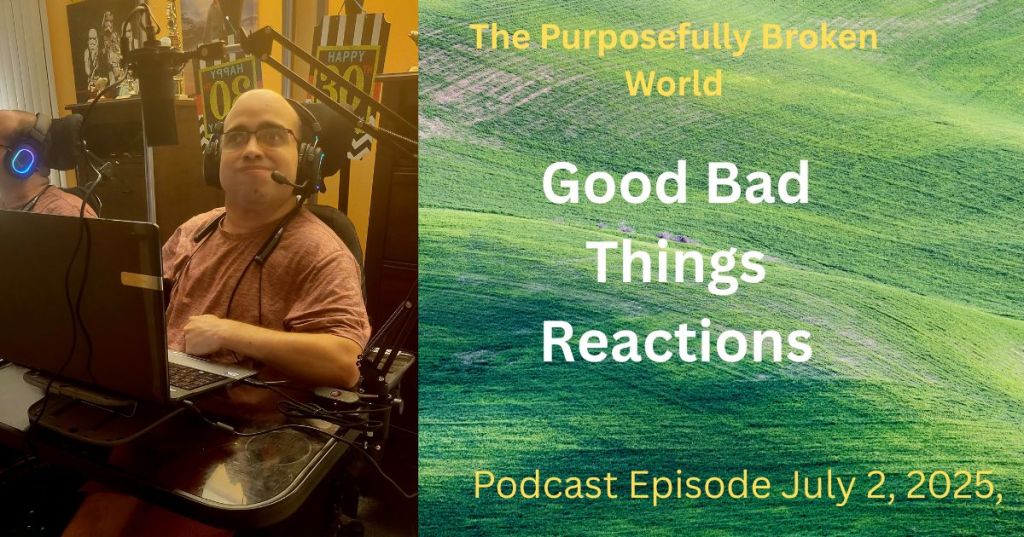
  • Good Bad Things Reactions

    Good Bad Things Reactions

    Description

    In the 6th episode of season 3 Kevin provides his honest reaction to the movie Good Bad Things. This is an unfiltered, unsponsored breakdown. 

    Show Notes

    Social Media/Website

    @TheAdvocacyLife 

    FB @theadvocacyliferelaunched

    Mean Website

    Facebook

    Instagram 

    Tumblr

    Threads

    Pinterest 

    Linkedin

    Books 

    Living Beyond Disability book series

    Kevin Unfiltered Newsletter

    PayPal 

    Cashapp 

  • The Political Pizza Fight

    The Political Pizza Fight

    Do you want anything on your pizza? What toppings do you want on your pizza? What toppings do you not want on your pizza? Let’s assume you’re hosting a party for 10 people, and everyone wants pizza. A typical pizza usually has eight slices. Some people want pineapple, others want meat lovers, a few only eat vegetables on their pizza, and one person will only eat plain pizza. How do you raise money for the needed second pizza? Is it fair to ask people to pay for a pizza they are not planning to eat? Do you vote, and does the majority get what they want? What about everyone else? Should they go hungry? This crude scenario is an illustration of politics.

    “The art or science concerned with guiding or influencing governmental policy.” -Merriam-Webster dictionary

    Disability is a great way to understand politics. Politics will affect you at some point in your life, and so will disability. An Inconvenient truth is that these two are linked. How much should a wheelchair cost? How much should a person be allowed to make to maintain their Medicaid eligibility? At some point, everyone uses a Walker or a wheelchair. If your loved one requires any sort of extensive rehab or care, they will need Medicaid. One in three children in New Jersey receives some sort of Medicaid benefit. There is an illusion that disability will only affect the elderly or those diagnosed early in life. Disability can affect anyone at any time. 16-year-olds can have brain aneurysms and be changed forever. Eric LeGrand was only 20 years old when he became paralyzed on a football field.

    Mark 12:31 NIV  The second is this: ‘Love your neighbor as yourself.’ There is no commandment greater than these.”

    Disability must be part of the political discussion when children are taught civics in their social studies classrooms. Disability is a great representation of the human race. It goes beyond political parties. Don’t be so focused on the toppings on your slice of pizza that you forget about all those who need to eat from the same pie. In America, we all eat from the same pie. Political parties are not sports teams. Winning the White House should never feel like winning a World Series; it should feel like a new chapter in the great book of American history. Political parties play a vital role in the political process. However, over-reliance is dangerous. Our elected officials must always remember that they serve their constituents and not their parties. The American people must vote to hold those who are elected accountable. Casting a vote is not a decision that should be made lightly.

    “Alternate domination” of one party over another, and the associated desire for revenge, could lead to horrible atrocities and ultimately, a “frightful despotism”- George Washington.

    We need new disability advocates to enter the political arena and provide a fresh perspective. To remind all of us what the ideals of America should be. Disabled Americans are Republicans. Disabled Americans are Democrats. By getting a new perspective, Americans can see their boundless potential.

    The Podcast

    Published Books

    Subscribe to Letter from Limbo

    Read more of this content when you subscribe today.

    One-Time
    Monthly
    Yearly

    Make a one-time donation

    Make a monthly donation

    Make a yearly donation

    Choose an amount

    $1.00
    $3.00
    $5.00
    $5.00
    $15.00
    $100.00
    $5.00
    $15.00
    $100.00

    Or enter a custom amount

    $

    Your contribution is appreciated.

    Your contribution is appreciated.

    Your contribution is appreciated.

    DonateDonate monthlyDonate yearly

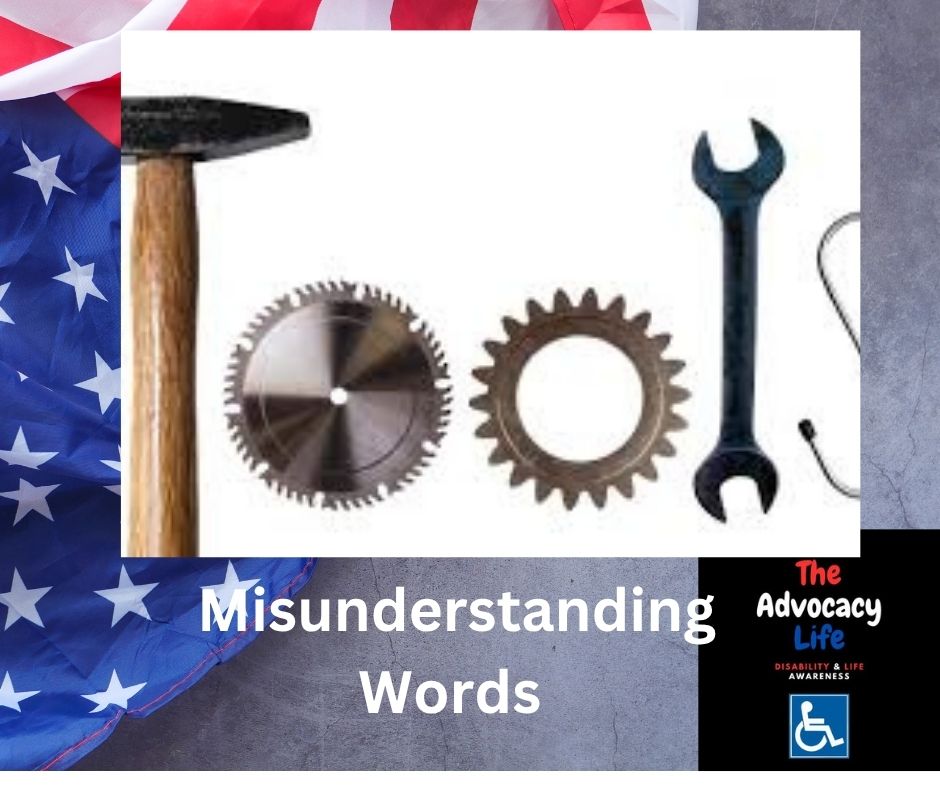
  • Misunderstanding Words

    Misunderstanding Words

    “Dude, your car is awesome!” “This pizza is awful, I’m never ordering from here again!”

    If those sentences sound normal to you, think again. The words “awesome” and “awful” both come from the same root—meaning something overwhelming or filled with awe. Yet one now means something great, and the other, something terrible.

    Words change over time. But sometimes, we don’t realize how much meaning they still carry. Take “idiot” or “insane.” These words used to be medical terms used to describe people with mental disabilities. Even the New Jersey Constitution once said that “no idiot or insane person” could vote. Thankfully, that language was removed in the early 2000s. Still, words like these show how language can be harmful, even if we don’t mean it to be.I want to invite you to explore how the words we use can shape how we treat each other—especially people with disabilities.

    This might sound like just a matter of “political correctness” or semantics, but it’s more than that. Think about how some slurs are still used jokingly among friends but would be completely unacceptable from someone outside that group. Language isn’t just about words—it’s about context, history, and tone.

    Let me give you a real example. One night, I was out with friends. During our conversation, someone casually used the R-word. I cringed inside. No one meant any harm, but it still hit me hard. I didn’t want to turn the night into a lesson or make a scene. So, when the evening ended, I quietly pulled that person aside and explained why the word was offensive. They apologized, and that was it. No drama, no lecture—just an honest moment of learning.

    Being an advocate doesn’t mean I can’t have fun. It means choosing how and when to speak up, and doing it in a way that encourages understanding—not shame.

    Today, we talk a lot about acceptance, but we also need to practice tolerance. People will make mistakes. They’ll say the wrong thing. That doesn’t mean they deserve to be “canceled” or shut out forever. Words are tools. They can hurt, but they can also heal, build, and inspire change.

    A few years ago, comedian Kevin Hart made a joke about parenting that upset many people. Years later, it cost him a chance to host the Oscars. If we’re going to judge everyone by their past mistakes, we’ll never grow or forgive. We need to teach, not just punish.

    In the end, language is like comedy—it’s all about delivery. It’s not just what you say, but how you say it. Tone matters. Audience matters. Communication isn’t one-size-fits-all. We all make mistakes, but we can learn and do better.

    Thank you for reading. I hope this makes you think more deeply about the words you use—and how we can all become more mindful of the messages we send.

    The Podcast

    Published Books

    Subscribe to Letter from Limbo

    Read more of this content when you subscribe today.

    One-Time
    Monthly
    Yearly

    Make a one-time donation

    Make a monthly donation

    Make a yearly donation

    Choose an amount

    $1.00
    $3.00
    $5.00
    $5.00
    $15.00
    $100.00
    $5.00
    $15.00
    $100.00

    Or enter a custom amount

    $

    Your contribution is appreciated.

    Your contribution is appreciated.

    Your contribution is appreciated.

    DonateDonate monthlyDonate yearly
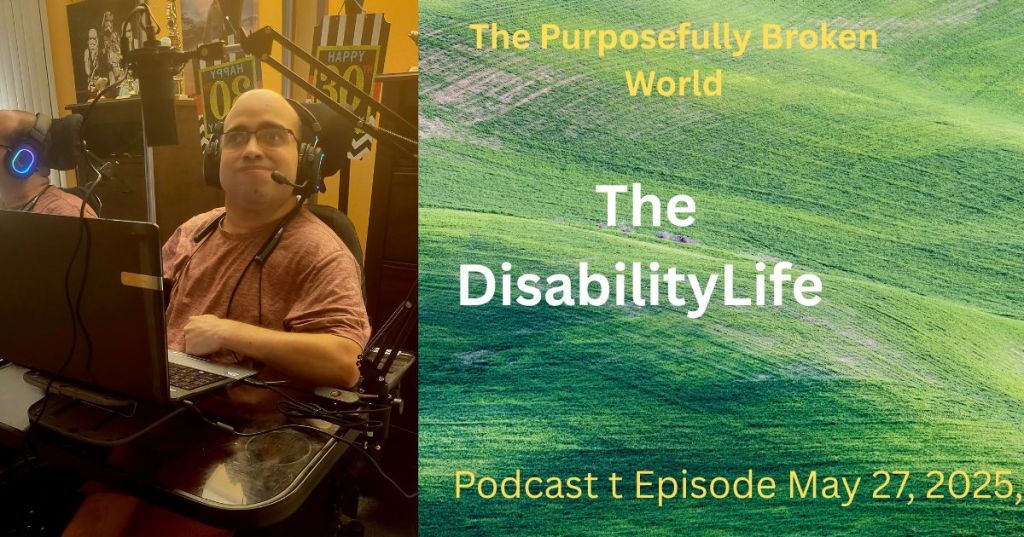
  • The Disability Life Podcast Episode

    The Disability Life Podcast Episode

    In this second episode of season 3. Kevin analyzes the importance of embracing the struggle of this disabled life so he can prosper for a better future. If you found this content engaging, please click the like, share, and subscribe. Tell your friends only together can we make a difference.

  • Disability Misconceptions

    Disability Misconceptions

    Every now and then, I get frustrated—not because I’m angry at individuals, but because there’s still so much misunderstanding about disability. What seems straightforward to me often isn’t to others. So, instead of stewing about it, I’ve decided to put together a list of things that I hope will help educate and shift perspectives.

    Luke 6:31 NIV 31 Do to others as you would have them do to you.

    1. Not All Disabilities Are the Same

    We say “everyone is different,” yet so often people treat disability like a one-size-fits-all label. You could line up ten people with the same medical diagnosis, and each one would be affected in a completely different way. Needs, goals, and abilities vary from person to person. What someone can or can’t do depends on a mix of their individual abilities, the support they receive, and the resources available to them.

    2. We’re Not Here to Inspire You—Just to Be Your Equal

    It shouldn’t be “inspirational” just to see someone with a disability walking down the street. And yet, when we live independently—with the right support—people often question it. Why? We’re just living our lives like anyone else. We want to be treated as equals, not exceptions.

    3. Be Flexible

    Life doesn’t always go to plan for anyone—and that includes those of us with disabilities. Flexibility, patience, and understanding go a long way when you interact with us. A rigid mindset helps no one.

    4. Hollywood Gets It Wrong—A Lot

    Movies often miss the mark when it comes to portraying disability. Sure, actors like Tom Hanks and Cuba Gooding Jr. have received awards for their roles, but their performances don’t always reflect reality. Times have changed, and so have our perspectives. It’s important to remember that what you see on screen is entertainment—not education.

    5. Ask Questions—Just Be Respectful

    Curiosity is fine. But respect is essential. If it’s something you wouldn’t want to be asked or called, don’t say it to someone else—disability or not.

    6. Disability Doesn’t Discriminate

    It doesn’t care about your skin color, background, or bank account. Anyone can be affected. And just because something is written in a study online doesn’t mean it reflects the lived reality of everyone.

    7. We Get Tired Too

    Yes, everyone gets tired. But for many people with disabilities, there’s no “clocking out” at the end of the day. The challenges don’t stop at 5 p.m. Sometimes you just don’t want to use the wheelchair or the communication device. And speaking of that—imagine how exhausting it is trying to communicate when you can’t speak.

    8. Laugh With Us, Not At Us

    Humor is powerful—and we love to laugh! But make sure you’re laughing with us, not at us. That small shift makes all the difference.

    9. Don’t Pity Us—Just See Us

    We know life isn’t easy. But we’re doing our best, just like you are. We don’t need pity. We need understanding, support, and a fair shot.


    I know this list isn’t revolutionary, and it might not be the most eloquent thing you’ll ever read. But I’ve kept it simple for a reason: clarity helps change hearts. Maybe someone will print this out and stick it on the fridge. Maybe the next time they meet someone with a disability, they’ll see the person—not just the label.

    Thanks for reading. Be kind. Be curious. Be human. Good night, friends.

    The Podcast

    Published Books

    Subscribe to Letter from Limbo

    Read more of this content when you subscribe today.

    One-Time
    Monthly
    Yearly

    Make a one-time donation

    Make a monthly donation

    Make a yearly donation

    Choose an amount

    $1.00
    $3.00
    $5.00
    $5.00
    $15.00
    $100.00
    $5.00
    $15.00
    $100.00

    Or enter a custom amount

    $

    Your contribution is appreciated.

    Your contribution is appreciated.

    Your contribution is appreciated.

    DonateDonate monthlyDonate yearly
  • Playing Games

    Playing Games

    Subscribe to continue reading

    Become a paid subscriber to get access to the rest of this post and other exclusive content.

  • For the Love of America

    For the Love of America

    I am a political nerd. I like to watch C-SPAN when I can. This week I knew something special was going to happen. In case you missed it, New Jersey Senator Cory Booker was on the Senate floor for over 25 hours. The man did not stop speaking. He did not sit down unless he was asked a question. He answered the question despite that, he did not sit down! Most Americans feel unheard by their elected officials. Many of the senator’s words were reading letters from his constituents to protect Medicaid. The Medicaid program is not healthcare, it is a lifeline for millions of Americans. Senator Booker, thank you for hearing us.

    I still don’t understand how cutting 880 billion dollars over 10 years is the best path forward for America. Are The prices of eggs going to go down? One in three children who use these benefits are they going to be okay? So many counties nationwide use the Meals on Wheels program to feed older adults. Can local municipalities be ready to pick up the cost? Can they even do so? Yes, the American way of life is expensive, but we cannot save costs at the expense of the most vulnerable. Individuals with disabilities are so strong they need the right support and the opportunities to show it.

    1 Corinthians 3:10 NIV By the grace God has given me, I laid a foundation as a wise builder, and someone else is building on it. But each one should build with care.

    I understand and will fully admit that the government can be way too big. I’m a capitalist through and through. This website is where I sell my books and other works. Americans do need more money in their pocket, but this is not how to do it. When a doctor takes a sample for a biopsy, they use a scalpel, not a hacksaw! If you are going to switch to a new mode of operation, then give people a chance to learn so they can follow it. This week, Secretary Kennedy and President Trump cut a lot of positions from the Department of Human Services. That is a prerogative. What’s wrong is how they do it. Depending on the position, they’re not offered a severance package. You cannot build America without its people.

    Is there a formula that decides what jobs are needed and what jobs are not? Are these decisions being made by artificial intelligence? How do you value an American life? I want the best for vongressional representatives, senators, and president Trump. I want the best for the American people. America will not be the best if we leave others behind. The next building, a strong future, means using all Americans.

    Senator Booker gave us a call to action. A lot of us cannot go, march in Washington, DC. I have another idea post video of your day post them all over social media. Show yourself getting out of bed with twheelsgiver. show yourself with your husband or wife going to the store. If you deliver Meals on Wheels, then take a picture with the person you gave the food to. Let those in power see the smiles on our faces. Help them remember that brief moment also built America. America is more than money. America is neighbors helping each other. America is everyone doing the part. America is alive. Either we all thrive or we will not survive. Thank you for your time.

    The Podcast

    Published Books

    Subscribe to Letter from Limbo

    Read more of this content when you subscribe today.

    One-Time
    Monthly
    Yearly

    Make a one-time donation

    Make a monthly donation

    Make a yearly donation

    Choose an amount

    $1.00
    $3.00
    $5.00
    $5.00
    $15.00
    $100.00
    $5.00
    $15.00
    $100.00

    Or enter a custom amount

    $

    Your contribution is appreciated.

    Your contribution is appreciated.

    Your contribution is appreciated.

    DonateDonate monthlyDonate yearly