
Subscribe to continue reading
Become a paid subscriber to get access to the rest of this post and other exclusive content.
Become a paid subscriber to get access to the rest of this post and other exclusive content.
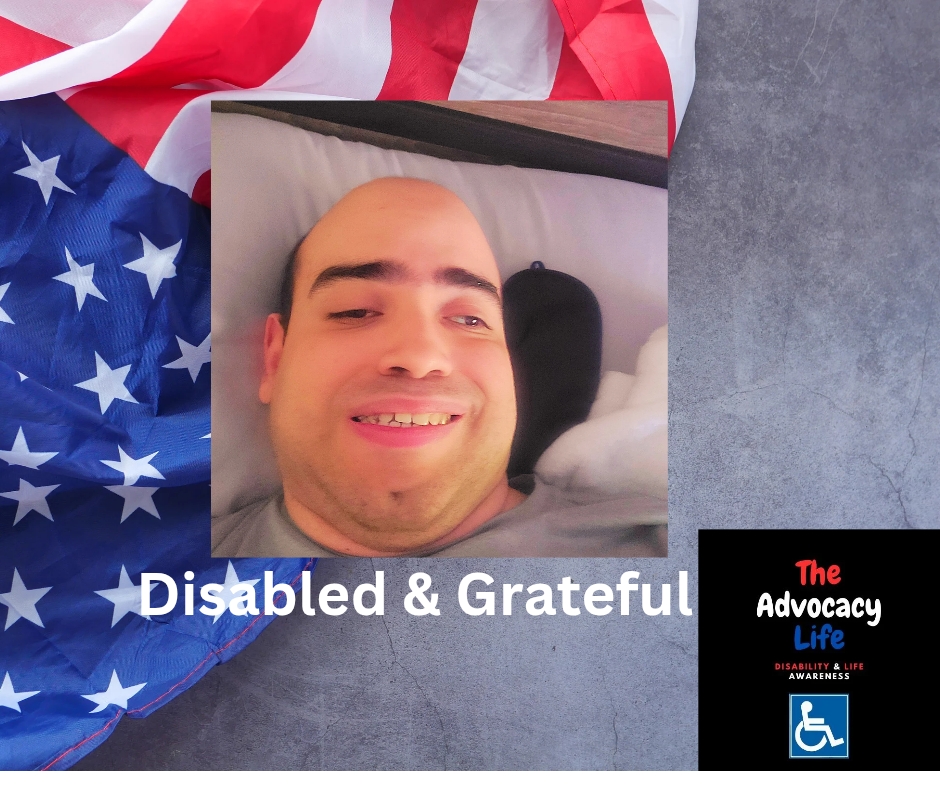
“I’m thankful for my struggles because they revealed my gifts.”
Hey friends, I hope you’re having an outstanding day.
The quote above is from a meme I posted years ago on a random Friday night. I completely forgot about it—until it popped up in my memories recently. When I saw it, I paused. It hit me differently this time. And what I’m about to say next might annoy some people. I might even lose a few followers over it. But I have to be honest. I’ve never actually said this out loud—so I’m using voice dictation just to get it out:
“Thank you, Father God, for giving me Cerebral Palsy.”
1 Thessalonians 5:18 NIV [18] give thanks in all circumstances; for this is God’s will for you in Christ Jesus.
Still reading? If you think I’ve lost it, give me a minute to explain.
Like most people, I spend too much time on social media, especially since I started this blog. I haven’t made a single dollar from anything I’ve posted (as I promised myself from day one), but let’s be real: if you want people besides your grandma, cousins, and a few loyal friends to read your content, this is one of the few ways.
I know social media is a battleground now—red team vs. blue team, constant opinions, arguments, and sides. But that’s not what bothers me. Everyone’s entitled to their perspective. I’m not going to stop being friends with someone just because we disagree.
What does hit hard, though, are the subtle (and not-so-subtle) reminders of the expectations society places on us. At 37, I’m not young anymore—but I’m not old either. I’m not even considered middle-aged. It’s this strange in-between stage, this unspoken limbo.
When you scroll past all the politics and noise, you’ll find the beautiful things: baby announcements, first day of school photos, wedding pictures, memes about hating jobs and loving new homes.
And then… there’s me.
No kids. No house. No wedding photos to share.
But please—don’t pity me. And don’t call me a martyr.
It took me a long time to understand that I was created on purpose for a specific purpose. Yes, there are hard days. Life isn’t fair. And a lot of people just don’t get me. But here’s the truth: if I didn’t have this disability, I wouldn’t be writing this blog.
There are plenty of writers—disabled and able-bodied—but none of them have my story. My perspective. And that makes this blog uniquely mine.
I don’t waste time playing the “what if” game. I focus on what is and what can be. The closest I’ve come to “what if” is something my brother and I once agreed on: without our disability, we probably wouldn’t be as humble, patient, or grounded as we are today.
Disability changes how you see the world. It gives you strength you can’t explain. Honestly, I can only call it what it is: God’s grace.
Because of it, I’ve seen the best—and the worst—in people.
When I first started this blog, I thought it would be strictly about disability policy. But sometimes, you can’t ignore when something bigger is working through you. If it weren’t for one of my transition coordinators, I would’ve never joined that leadership training series that launched me into disability advocacy.
I ended up in a day program for the majority of my twenties I did not like it. I thought it was for those who are forgotten. I was so determined to go to college, just to prove everyone wrong. Fast forward, and now I have parents thanking me for bringing their concerns to legislators, on behalf of the children and adults who can’t speak for themselves.
Do I still have things I want? Of course. That’s what it means to be human. But growing, learning, and discovering new strengths is also part of the human journey.
I pray these words reach you in whatever way you need them to.
I thank God for creating you—and for all the gifts He’s given you, whether you’ve discovered them yet or not.
Have a great day, and I hope to see you next time.

Read more of this content when you subscribe today.
Choose an amount
Or enter a custom amount
Your contribution is appreciated.
Your contribution is appreciated.
Your contribution is appreciated.
DonateDonate monthlyDonate yearly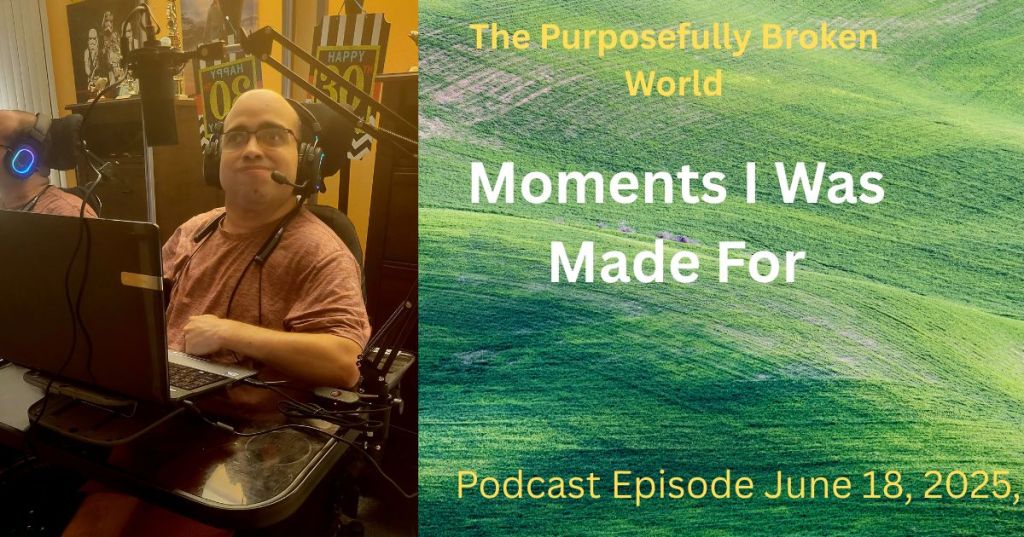
In the 5th episode of season 3. Kevin relives his experience attending the joint session of Congress on March 4th, 2025. Trigger warning: this may be moving for some listeners or viewers. As always, if you like this content, please like and share.
Read more of this content when you subscribe today.
Choose an amount
Or enter a custom amount
Your contribution is appreciated.
Your contribution is appreciated.
Your contribution is appreciated.
DonateDonate monthlyDonate yearly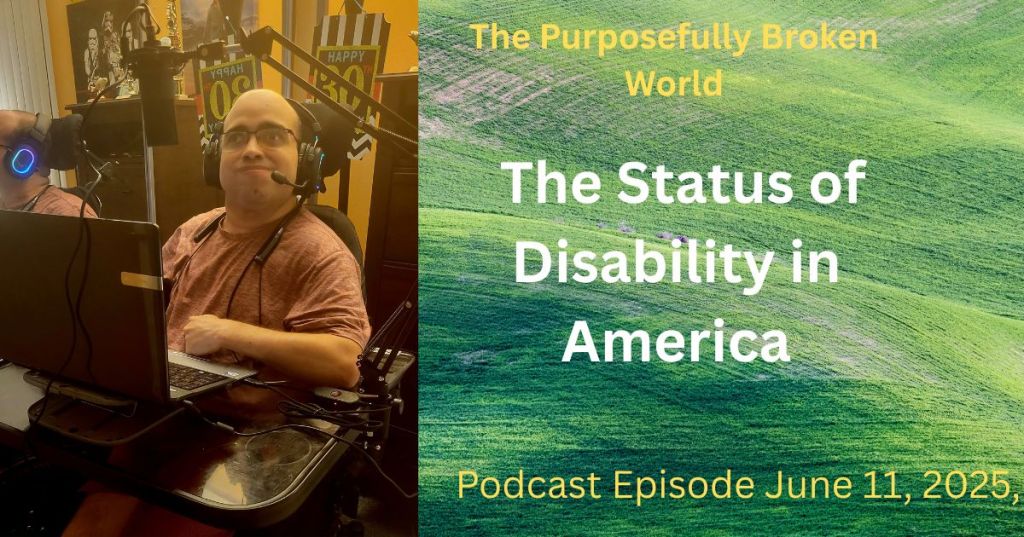
For the fourth episode of season 3, Kevin describes how he sees the state of the disability movement in America today. This is not factual. This is my opinion. The point is to motivate people to act. If you like this content, please subscribe for more details in the show notes.
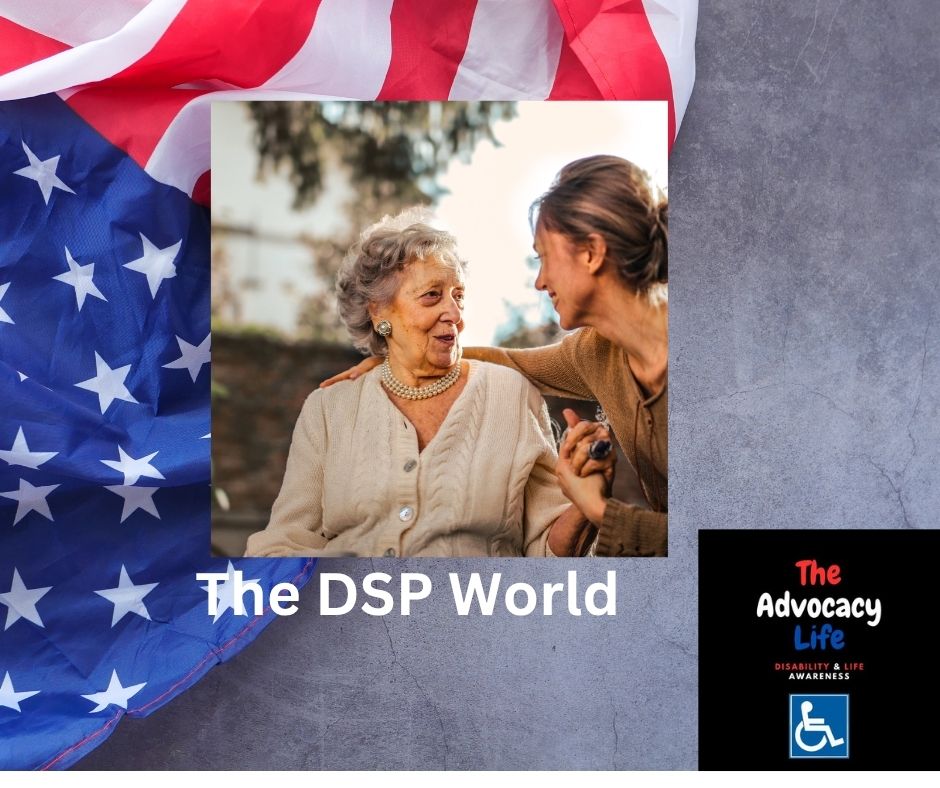
The other day I was going past some old writings something I do from time to time to see how I have improved. This was one of the first pieces i ever wrote as a blog almost 10 years ago. The subject matter is still relevant today. Hope you enjoy please share.
I wanted to raise awareness to a very big problem in our world today. It rarely gets any publicity; the average person doesn’t even know about it. The truth is unless you are affected by this problem, you don’t even know it exists. The problem is the lack of pay and benefits for direct support professionals (DSPs). What is a DSP? A direct support professional is someone who is paid through a provider agency or an individual to provide support and care to a person with a disability. As long as there are people who need assistance in their lives there will always be need for these professionals. There are four groups of people who are affected by this issue. They are: the individuals receiving the care, the family of the individual, the providers, and the professionals themselves.
Let me begin by addressing the individuals receiving the care. People that have a disability will learn that they often must depend on others to assist them in one way or another. They depend on the kindness of others to help them live their day-to-day lives. Could you trust someone with your most intimate tasks if you knew they would leave in six months? Just imagine knowing you’re going to lose the person you most confide in, even before they start. People with disabilities can tell almost immediately if the person is going to be good at their job. Most of all they can tell if the person will last.
Use your imagination for this next part please. You meet a person named Matt. After meeting him for only four hours, you need a shower. He must first undress you completely. Then he puts you in a shower chair. He then proceeds to give you a shower. Matt does his best to wash your private areas. After finishing and drying you off, he begins to dress you. If the individual is so fortunate, he can direct Matt on how and what to do. The truth is there are many individuals in the disability community that cannot speak for themselves. Therefore, Matt must try to interpret what they are trying to communicate. This is just one of the many duties of a DSP. I hope this brief example can illustrate the need for these very special people.
Next, I would like to talk about the direct support professionals themselves. These professionals receive about 10 to 11 dollars an hour with no promise of growth in their career. Most providers offer little to no benefits at all (this includes sick time or health insurance). As a result if DSPs don’t work, they aren’t paid. This leads to severe burnout. Many times, they sacrifice their own health and well-being to make sure they can provide for their family and/or pay their bills. It’s ironic that they are responsible for the health and well-being of another human when, due to the lack of health benefits such as sick days, they cannot take care of their own health needs. What inevitably happens is the person leaves to another company in hopes of a dollar more. People believe they can use this job as a steppingstone toward a larger career goal. The other misconception is this job will only be a temporary solution until another opportunity opens up. They end up living paycheck to paycheck. The professional waits in limbo until they burn out or they get another job.
So why would someone do this job at all? These wonderful people do it because they care for others. They look forward to the moments when their individual lights up when they arrive in the morning for their shift. The relationship between an individual and the professional is truly symbiotic if done correctly. The individual gets a companion to help them with their wants and needs. In turn the professional should receive joy in the knowledge they are doing something to help someone live their life. Some things are worth more than money. It is truly heartbreaking when it is time for the professional to move on. The best way I know to describe this feeling for an individual, it’s like losing a loved one. For the professional, they are left with the memories of a person that has worked their way into their hearts.
The family and/or parents of an individual can also be affected by the DSP issue. Try to imagine having a 25-year-old son that you have cared for his entire life. One day someone shows up at your door ready to take him out to the park for the day. You as the parent are told almost nothing about the person who will be supporting your child for the rest of the day. By the same token, the professional knows almost nothing about the individual and the family they will be supporting. Most times both parties are just given a name with a brief description. A relationship of trust has to be formed out of thin air. This sadly is one of the best-case scenarios. Most individuals as they get older lose their family and the professional becomes, by default, their brother, mother, etc. Depending on the individual’s disability, they will rely on their “families” in almost every way. They need an advocate, a caregiver, and a friend. Could you imagine learning to give your complete trust to a stranger every six months?
The final group of people that are affected by the DSP issue are the provider agencies. The turnover rate in this industry is incredibly high. Providers cannot keep their staff. They spend money training these professionals and then they quit a few months later. The money is lost. The rates for these staff and providers have not been increased in approximately 10 years. For example if the state allows $15 per hour to a provider, and $10 goes towards the DSP, that leaves the provider with only five dollars to spend subsequent overhead, including important items like gloves and vehicle maintenance. The providers cannot give their staff benefits or raises if they are barely able to keep themselves above water.
The direct support professional problem in my humble opinion has reached crisis levels not just statewide but nationally as well. As long as there are people, people will always need care. This industry is not going away any time soon. The system will never be perfect but something needs to be done now. This needs to be a call to action. We need to contact our state and federal officials to educate them on this very real problem. If we don’t act now people with disabilities may not have people around us to help us live our lives.
Read more of this content when you subscribe today.
Choose an amount
Or enter a custom amount
Your contribution is appreciated.
Your contribution is appreciated.
Your contribution is appreciated.
DonateDonate monthlyDonate yearly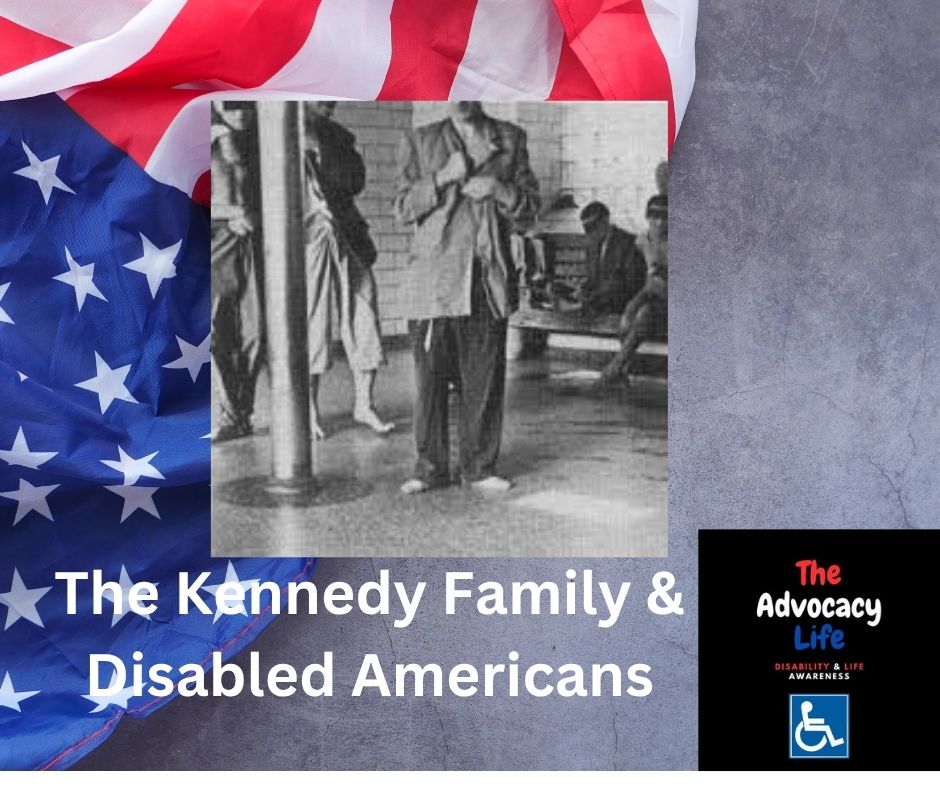
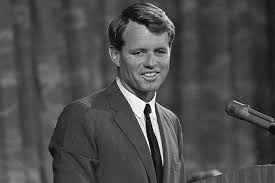
“A snake pit, where they live in filth and dirt, their clothing in rags, in rooms less comfortable and cheerful than the cages in which we put animals in a zoo.”
Robert Kennedy Senior made this statement when he was visiting Willowbrook in 1965.
Willowbrook State School was a state-supported institution for children with intellectual disabilities. Designed to accommodate 4,000 children, by 1965, Willowbrook had a population of 6,000, and a scandal soon erupted over news of the institution’s horrendous conditions and questionable medical practices. It was not closed for another 2 years despite all the outrage. Would you want your child to live in these conditions?
Disability does not have a political party. A disability does not have a skin color or a specific ethnic race. Disability is America. The only two things certain in this world are death and disability. What makes America great is that we learn from our past so we don’t repeat the mistakes we have made. Disability is not waste, fraud, or abuse. Disability is an example of Hope and prosperity in the American dream. The American Disability community is an example of living prosperity and endurance.
It’s hard to pinpoint the exact birth of the disability rights movement because disability has been around since the beginning of time, and it will be there until the end of days. America was introduced to the harsh reality of abuse through Robert Kennedy Sr.’s poignant account. Devoid of proper respect and support. Our community faces suffering and death. An autism diagnosis is not evil or a death sentence. A wheelchair is not a confinement, but a tool for opulence.
This is the current battle that disabled America is facing. We won’t stand for our brothers and sisters being locked up. We aim to help people live fulfilling lives. In the land of the free and the brave, we uphold truth, justice, and the American way as a testament to our identity. Living with a disability presents many challenges. While that’s a fact, things worth pursuing are rarely simple.
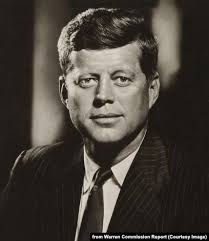
“We choose to do these things not because they’re easy, but because they’re hard.”
President John F Kennedy made this statement when referring to reaching the Moon in a decade. We have the same privilege to reach for the same stars as anyone else. In America, we do not fear challenges; we embrace them so we can grow. America today is making choices out of fear and misunderstanding. I believe in America, I believe in its people. We still have time to change course. To see value in all of us. Our chosen elected officials need to listen to us.
'“ Do not seek revenge or bear a grudge against anyone among your people, but love your neighbor as yourself. I am the Lord. 'Leviticus 19:18
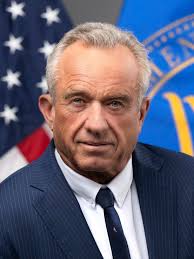
“I don’t think people should take medical advice from me.’
This statement was made by Robert Kennedy Jr. The current Secretary of Health and Human Services. There will always be misconceptions around disability and our healthcare. However, if we are left out of the conversation, we cannot help the country move forward. The current administration and the disability community cannot be enemies, we must be allies to achieve tomorrow’s victories. Without disability, America will fail because we are America.
Read more of this content when you subscribe today.
Choose an amount
Or enter a custom amount
Your contribution is appreciated.
Your contribution is appreciated.
Your contribution is appreciated.
DonateDonate monthlyDonate yearly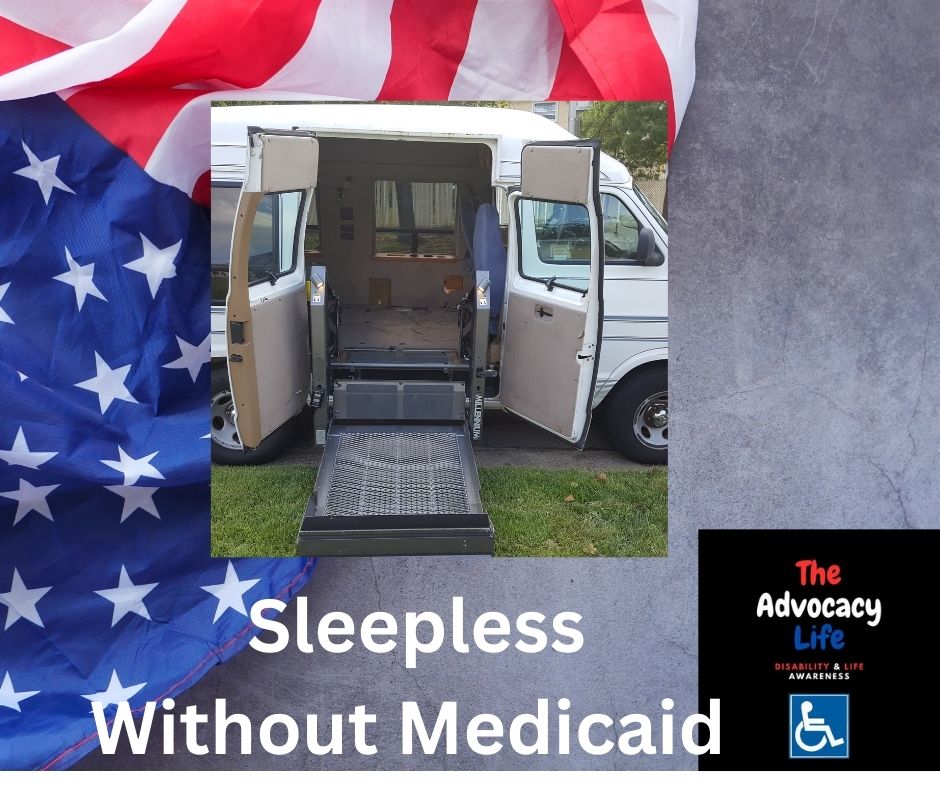
When I’m writing, a debate is going on at 1:00 in the morning on the current administration’s reconciliation bill. This is America’s future.. I am not a liberal. I love the Democratic process. Where the people we elect, those whom we choose to trust, are supposed to have our best interests in mind. I will not post this until Thursday afternoon. By then, we will know what happened. I want people to understand how those with disabilities will be affected, at least one person.
The Medicaid program will receive drastic cuts. I’m going to tell you exactly how these cuts would affect my family directly. I acknowledge and understand that I am blessed and fortunate because of my efforts in the advocacy world. I want you to think about others who are not so fortunate. I’ve seen the models that are predicted, at a minimum of 10%. These cuts are like a square peg in a round hole. It doesn’t work! I receive Home and Community-Based Services (HCBS) under a waiver program in New Jersey State Medicaid. This program is legally optional in every state, meaning this will be the first thing to go.
Matthew 25:40 NIV “The King will reply, ‘Truly I tell you, whatever you did for one of the least of these brothers and sisters of mine, you did for me.’
My fellow Americans, individuals with disabilities, we are not a terrorist organization. We want to help our nation grow, not hurt it. Is this what you want to hurt your neighbors, your family, and your friends? How will you be able to sleep when all these changes roll out? Have a good night, and may God bless America.
Read more of this content when you subscribe today.
Choose an amount
Or enter a custom amount
Your contribution is appreciated.
Your contribution is appreciated.
Your contribution is appreciated.
DonateDonate monthlyDonate yearly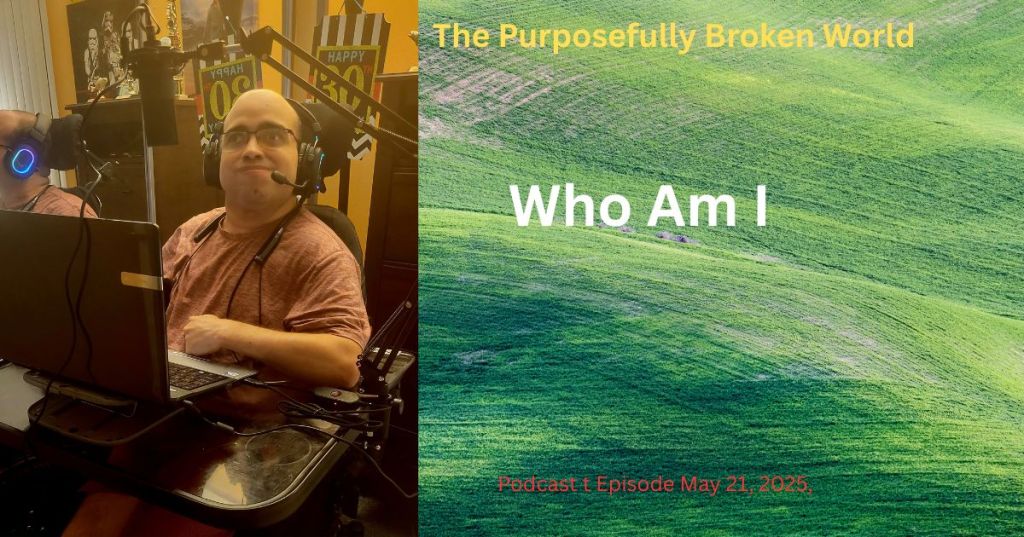
The first episode serves as the relaunch and introduction to the podcast. Enjoy and please share.
Read more of this content when you subscribe today.
Choose an amount
Or enter a custom amount
Your contribution is appreciated.
Your contribution is appreciated.
Your contribution is appreciated.
DonateDonate monthlyDonate yearly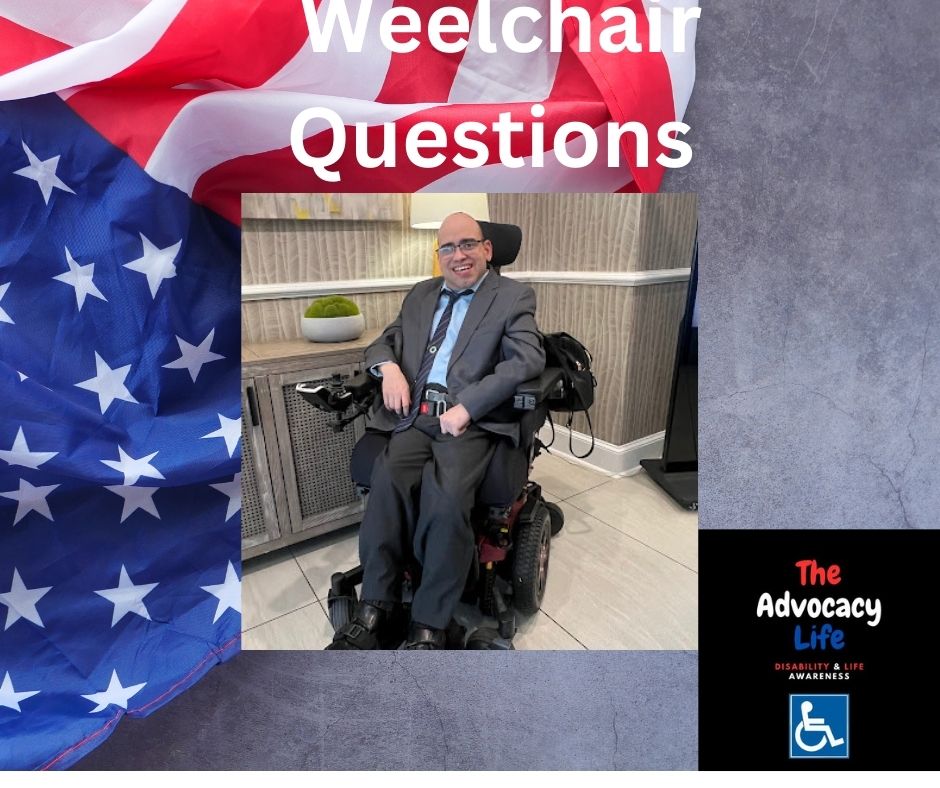
Every time someone sees my wheelchair for the first time, I get a lot of questions. “How much did it cost?” “Is it comfortable?” The most common one? “Do you need a license to drive that thing?”
So here are a few answers: It cost just over $50,000. No, it’s not about comfort—it’s a tool that gives me access to the world. And no, you don’t need a license to operate an electric wheelchair.
This 300-pound machine is my lifeline. I don’t love it, but I treat it with care—because I have to. It’s been five long years since I even became eligible to apply for a new one.
People often joke that it must be fun to cruise around all day. What they don’t see is the exhaustion that comes with being in the same position from the moment I wake up until I go to bed—especially on busy days. They smile when they see me recline in my chair, but they don’t realize I do it to prevent pressure sores. If I don’t, I could literally die from one.
Thanks to God’s grace, I’ve never had one—but I won’t lie, it’s my biggest fear. Even Christopher Reeve, with all his resources, passed away from a bedsore.
1 Thessalonians 5:18 NIV [18] give thanks in all circumstances; for this is God’s will for you in Christ Jesus.
There’s a whole world of challenges most people don’t notice: Going around the block just to find one curb cut. Never being able to see over a counter. Being invisible in a crowded room—until someone bumps into me and then apologizes like it’s their worst mistake.
Please, don’t feel sorry for me. That’s not why I’m writing this. This is about awareness. About understanding.
Take care of yourself. I hope you never need a wheelchair—but if you do, maybe now you’ll have a better idea of what it means to live in one.
Read more of this content when you subscribe today.
Choose an amount
Or enter a custom amount
Your contribution is appreciated.
Your contribution is appreciated.
Your contribution is appreciated.
DonateDonate monthlyDonate yearly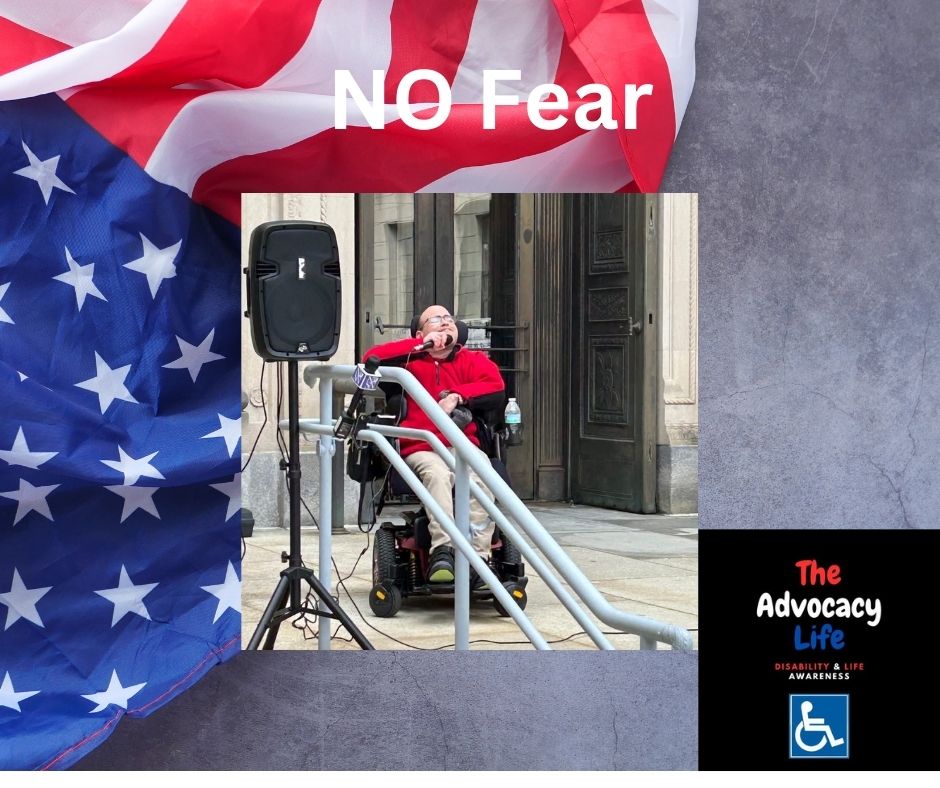
My fellow individuals and families living with disabilities. No matter what you’re diagnosed with, whether your disability is visible or invisible, the truth is we face difficult times. What can we do about it? Disabled Americans are Americans. We must remind our neighbors that we do exist. That we can and do lead productive lives. Don’t go back in isolation. Don’t go back to being treated like a plant or a house pet. Be the human being you were made to be. Go out to the store and run your errands. Go bowling with your friends. Go out to dinner and order that steak.
If you are an individual with more significant needs, then encourage your family or caregivers to take you out to those stores so people can see you and see that your life has value. Show them what matters in this world. Money and possessions will only be temporary. We live in a world where people project false faith. Some folks have to see it before they believe it.
John 20:25 NIV So the other disciples told him, “We have seen the Lord!” But he said to them, “Unless I see the nail marks in his hands and put my finger where the nails were, and put my hand into his side, I will not believe.”
We were made to be more than “inspirational’’ right now, that might be what this world needs. Fighting is inevitable, but the way we fight is just as important as what we’re fighting for. Engage in battle using your words and spirit. Not with anger and violence, because that is what they want. It is up to us to change the narrative. To lead by example, not from the shadows, as some are doing today. Disability is not a partisan issue. It is a natural part of human existence. When you frame your proposals, your presentations, and your peaceful protests, show them that it makes “common sense” to support individuals and families with disabilities. Show them that by not supporting us, they’re only doing themselves harm. We might have been born disabled, but everyone else is just temporarily abled. People only support disability unless they’re affected by it.
The time is now to affect their lives with our disabilities. With our perceived weaknesses, help them see our strengths. This cannot wait until tomorrow. This cannot wait until the fear subsides. We must lean on each other so we don’t break. Our journey is long; our struggle and challenges are ever-present. We have the advantage because we were born resilient. We were bred for this battle. They’re not. They protect fear because they are afraid. They bluster because they don’t understand. They boast because they are afraid to lose. Disability is not to be feared. Disability is not a curse or a punishment. It is a platform to show their true values in life. I would like to close with this question: if you were the holy creator, would you use your strongest warriors for the easy battles or save them for the ones you need to win?
Read more of this content when you subscribe today.
Choose an amount
Or enter a custom amount
Your contribution is appreciated.
Your contribution is appreciated.
Your contribution is appreciated.
DonateDonate monthlyDonate yearly The Advocacy Life Podcast & Blog